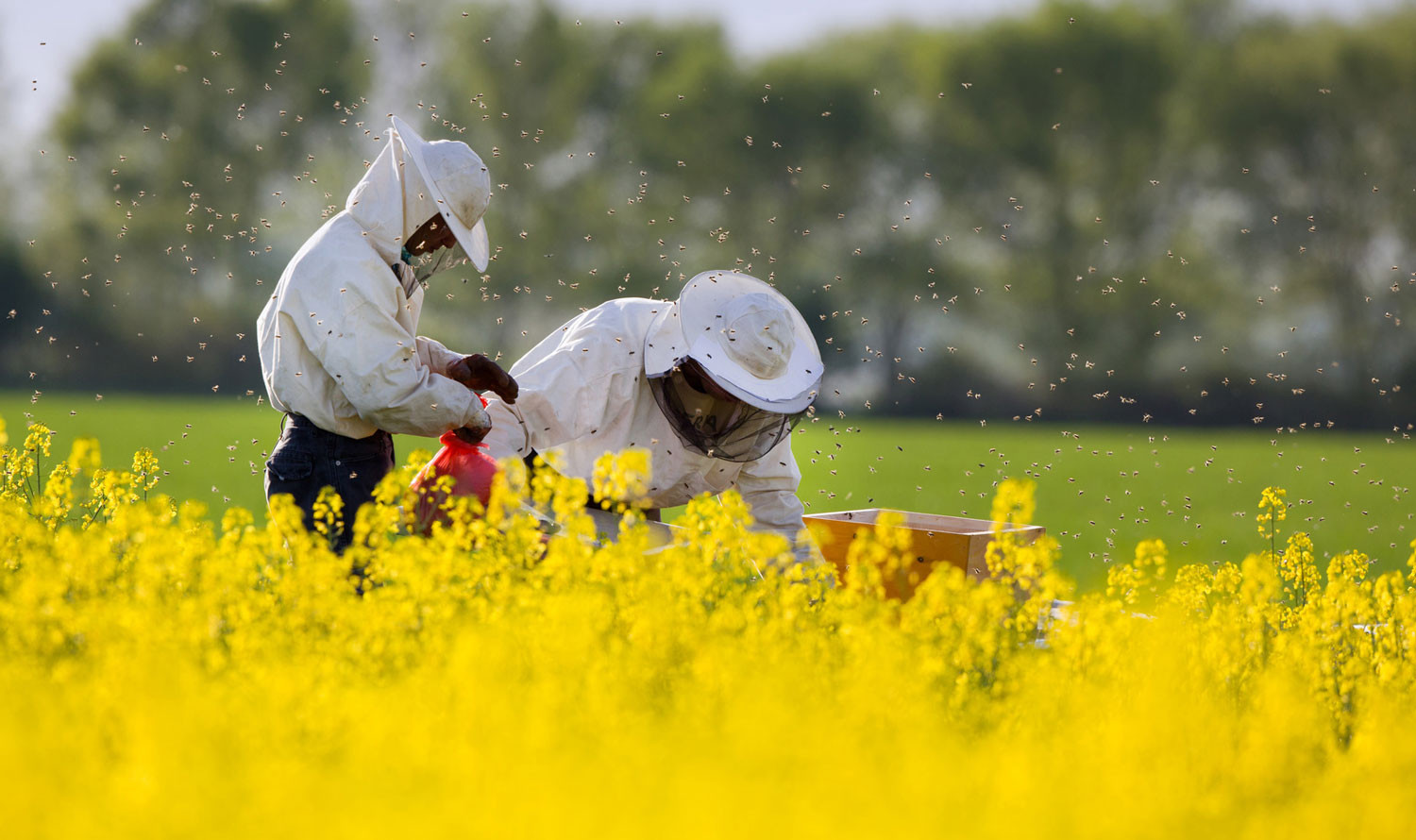


The Winter Bee

day | snow | winter | orchard | nature | honey | beekeeping | bee | production | apiary | beehive | hive | wooden | sunny | sky | landscape | countryside | honeybee | blue | box
Winter bees, often referred to as diutinus bees in the scientific literature, are long-lived workers adapted to ensuring the colony’s survival during winter. They do not constitute a distinct caste, but rather a seasonal form of the worker bee, which develops as the colony gradually shifts from a growth phase to a conservation phase. Understanding this transition provides a better understanding of what happens in the apiary between the end of summer, winter, and the spring revival.
Abstract
Winter bees are not a separate caste but a seasonal special state of the same worker: they develop from the same eggs and pass through the same development. The difference emerges only in the adult stage – and not on a particular date. Within the same colony, short-lived, transitional and long-lived workers occur alongside one another for weeks; RFID measurements show that only about one third of an October cohort actually becomes a winter bee. The underlying mechanism is a shift in the physiological balance: sufficient pollen enables the build-up of the fat body, vitellogenin and the hypopharyngeal glands; a timely decline in brood-rearing load and a delayed onset of foraging preserve these reserves. Both must coincide – the widespread equation "less pollen means more winter bees" is wrong.
On present evidence there is no single trigger. Pollen quantity and quality, the extent of the brood and brood pheromones, the forager pheromone ethyl oleate, day length, the course of temperatures, carbohydrate quality and the age structure of the colony act as a mutually reinforcing cycle. Physiologically, the winter bee combines two programmes – a nurse-bee-like storage state in the fat body and a powerful flight musculature for heat production. Its immune system is not shut down but seasonally reorganised. Nor is it a passive overwinterer: most of its flight activity falls in spring; it carries the colony's restart.
For practical beekeeping, this shifts the priorities. What matters is not how many bees enter the winter, but in what condition. Varroa must be reduced before the later winter bees are capped – in the experiment, damage to vitellogenin and lipid reserves incurred during pupal development could not be offset even by ten days of optimal feeding. The nutritional window likewise closes early: if pollen is lacking in the first week of life, the bees later make up only half of the deficit. As large an autumn brood as possible is therefore not a goal but a risk if nutrition and varroa control do not keep pace. And the broodless state before the winter treatment must be determined at the colony, not from the calendar.
Climate change does not demonstrably threaten the existence of the winter bee phenotype, but it can disrupt the temporal coordination of reserve build-up, relief from work and maintenance – warm autumns having greater consequences here than mild winters.
This dossier explains how summer bees and winter bees differ, why no single trigger governs their formation and what follows from this for varroa control, feeding and winter preparation. Throughout, it distinguishes between well-established findings, plausible inferences and open questions. Where studies contradict one another, the contradiction is named rather than smoothed over.
1. Summer bees and winter bees – two life strategies of the same worker
 |
This chapter explains why summer bees and winter bees are two flexible life strategies of the same worker, and what fundamental differences characterise them. |
Over the course of the year, a honey bee colony is not always made up of physiologically uniform workers. In spring and summer, short-lived summer bees predominate; towards autumn the proportion of long-lived winter bees1 increases. These are not two different castes, as in the case of queen and worker. Summer bees and winter bees develop from the same worker eggs and pass through the same development. The difference lies in how their bodies and their behaviour develop further after emergence.
Biologically, this change can be understood as seasonal polyphenism: the same basic genetic type can form different physiological states depending on nutrition, brood care, division of labour and environmental conditions. Summer bees and winter bees thus embody two life strategies attuned to the colony's changing requirements (Amdam & Omholt, 2002).
|
1 The term winter bees is used here for long-lived workers which, in temperate climates, arise mainly in late summer and autumn and carry the colony through the winter. Under certain conditions, however, the underlying long-lived phenotype can also occur outside a cold winter period. In the research literature, such long-lived workers are sometimes referred to as diutinus workers. |
1.1 A short working life or a long maintenance phase
Summer bees typically live only a few weeks. A lifespan of roughly two to six weeks is often quoted, although the actual duration depends strongly on the task performed, forage conditions, disease and external risks (Remolina et al., 2007). Young summer bees first take on work inside the hive: they clean cells, tend the brood, process nectar and produce wax. Many of them later switch to foraging activity.
This transition to forager involves a fundamental change. The bee regularly leaves the protection of the hive and is exposed to weather, predators, pesticides, loss of orientation and high energy expenditure. Foraging activity therefore raises the risk of mortality considerably. The short lifespan is not a biological shortcoming, however, but part of a colony strategy geared towards growth, division of labour and a high input of resources (Johnson, 2009).
Winter bees, by contrast, can live for several months. Under central European conditions they often persist from late summer or autumn until the following spring; individual studies have recorded lifespans of five to eight months. These, too, are not fixed limits: actual life expectancy depends on nutrition, varroa infestation, viral infections, brood activity and the course of the winter.
Their main task is to maintain the colony during a period in which hardly any new workers are produced. They form the winter cluster, generate heat, move along the food stores and, in late winter or spring, provision the first new generation of brood. Their biological value therefore lies less in high short-term work output than in the ability to remain functional for a long time.
1.2 What differs in the body
Immediately after emergence, young summer bees and later winter bees are not yet fundamentally different. Both begin with characteristics typical of young house bees and nurse bees: a well-developed fat body, active hypopharyngeal glands, a relatively high vitellogenin content and a low juvenile hormone level.
In a summer bee this state changes within a few weeks. While she tends brood, vitellogenin is used for the production of brood food. With the transition to foraging, vitellogenin content declines further while the juvenile hormone level rises; at the same time the fat body, hypopharyngeal glands, metabolism and behaviour change (Fluri et al., 1982).
In winter bees this development is greatly delayed. Vitellogenin and other body reserves are retained for longer, the fat body remains extensive and metabolically active, and the juvenile hormone level stays low. The winter bee remains in a prolonged, nurse-bee-like storage state (Amdam & Omholt, 2002). The physiological details are set out in Chapter 5.
Winter bees are not, however, simply nurse bees preserved over several months. Gene expression studies show a more differentiated picture: in the fat body they resemble nurse bees, while their flight musculature partly displays properties of foragers (Bresnahan et al., 2022). This combination makes functional sense – the bees must conserve reserves and be able to tend brood again later, while at the same time using their flight musculature for active heat production.
The following overview summarises the main differences; the physiological details are set out in Chapter 5.
Summer bees and winter bees compared
| Trait | Summer bee | Winter bee |
| Lifespan | 25–40 days | up to 250 days or more |
| Vitellogenin (Vg) | low to moderate | very high (30–50% of circulating proteins) |
| Juvenile hormone (JH) | rising with age | persistently low |
| Fat body | declining with age | hypertrophied, maintained throughout the winter |
| Hypopharyngeal glands | variable depending on stage | hypertrophied or reactivatable |
| Transcriptome profile | nurse bee or forager | "mix and match": fat body = nurse bee, flight musculature = forager |
| Trehalose (haemolymph) | reference value | roughly twice as high |
| Humoral immunity | moderate | enhanced (antimicrobial genes ↑) |
| Main tasks | feeding brood → foraging | thermoregulation → feeding brood → foraging (spring) |
Sources: Knoll et al. (2020); Erban et al. (2013); Bresnahan et al. (2022); Lee et al. (2022); Hurychová et al. (2024).
The lifespan figures denote ranges, not standard values. Under field conditions the mean is considerably lower: Minaud et al. (2025) measured 143.5 ± 23.5 days in long-lived winter bees.
1.3 Winter rest does not mean inactivity
The term winter rest can give the impression that the bees are largely inactive. In fact it is an energetically regulated state. As temperatures fall, the workers draw together into the winter cluster. The outer bees form a densely packed, insulating mantle; inside, individual workers actively generate heat through muscle activity (Stabentheiner et al., 2003).
As long as no brood is present, the temperature inside the cluster can fluctuate considerably more and lie well below the summer brood nest temperature. As soon as brood is being tended again, its immediate surroundings must once more be stabilised close to 35 °C. The energy required for this comes above all from the colony's carbohydrate stores. The bees' own protein and fat reserves serve other functions: they support the long-term maintenance of the organism and later enable the production of brood food for the first brood.
The widespread notion that winter bees are largely flightless hive dwellers also requires correction. They do indeed hardly fly on any single winter day – yet across their entire lifespan their flight activity clearly exceeds that of the short-lived summer and autumn bees and reaches the level of spring bees. What matters is the distribution over time: almost all winter bees fly at some point in their lives, and the greater part of this outside activity occurs after the winter (Minaud et al., 2025). Winter bees are thus not merely nutrient stores but the actual bearers of the spring restart.
Flight activity in the RFID trial (Minaud et al., 2025)
523 marked workers, one year, two colonies. Of the October cohort, only 34.8% became long-lived winter bees. These lived 143.5 ± 23.5 days and made 37.5 ± 44.2 flights with a total flight time of 12.7 ± 15.5 hours – compared with 1.6 flights and 0.1 hours in the short-lived bees of the same cohort. 96.8% flew at all, 53.1% before the winter and 90.6% afterwards. Flight activity was very unevenly distributed: a minority accounted for the majority of the flights.
Likewise, a colony is not necessarily entirely broodless in winter. In mild regions or warm winters, small areas of brood may persist, or brood breaks may be only short.
Why are not all workers winter bees?
At first glance, long-lived winter bees appear more advantageous than short-lived summer bees. What counts in evolutionary terms, however, is not the maximum lifespan of each individual worker but the reproductive success of the colony as a whole.
In spring and summer the colony must grow rapidly, tend a great deal of brood, build comb, process nectar and exploit short flow periods as fully as possible. Because new workers emerge continuously, lost or exhausted bees can be replaced quickly. Under these conditions an age-related division of labour with specialised house bees and foragers increases productivity (Johnson, 2009).
The winter bee strategy, by contrast, is built on maintenance. The workers conserve their body reserves, develop more slowly into foragers and remain flexibly deployable for a long time. This is necessary when almost no replacements are produced and every worker present is needed until brood rearing resumes.
Longevity does not come free, however. Resources invested in maintaining a bee's own body are not simultaneously available for intensive brood care, foraging or rapid colony growth. Experiments with altered age structures accordingly reveal a trade-off between individual life expectancy and the short-term productivity of the colony (Rueppell et al., 2008).
Summer bees are therefore not inferior winter bees. In summer the colony optimises growth, division of labour and resource input; in winter it optimises the lifespan and functional capacity of the workers present. The real adaptive achievement lies not in producing the longest-lived bees possible all year round, but in being able to switch between productivity and maintenance according to the season.
2. A winter bee is not born on a particular date
 |
This chapter shows why the date of emergence alone does not define a winter bee, and how formation, quality and actual survival are to be kept apart. |
In beekeeping practice, winter bees are often defined by their date of emergence. This simplification is useful for orientation but biologically imprecise. The changeover does not occur abruptly: within the same colony, short-lived summer bees, transitional forms and increasingly long-lived winter bees can occur simultaneously over several weeks. What matters is not only when a worker emerges, but under what conditions she develops and which tasks she takes on during her first weeks of life.
2.1 The starting conditions arise before emergence
Larval development is influenced by several factors: the quantity and quality of the larval food, the colony's pollen and protein supply, the temperature and stability of the brood nest, the health of the nurse bees, the varroa and virus load, and the general condition and demography of the colony.
Proteomic studies indicate that bees emerging in September or October already show partly different protein patterns from workers of high summer. The seasonal conditions during brood development thus evidently bring about a certain degree of physiological preparation (Ward et al., 2022).
It must not be concluded from this, however, that a winter bee is already determined at emergence. The observed differences initially show only that the starting conditions vary.
This distinction matters particularly in the case of varroa. A worker that emerged in September may belong chronologically to the later winter population yet already have been damaged during pupal development by the mite and the viruses it transmits. She is then indeed an "autumn bee", but may not possess the prerequisites for surviving until spring.
2.2 The first days of life also play a part
After emergence, a young worker must first complete her body reserves. She consumes pollen or bee bread, develops her hypopharyngeal glands and builds up vitellogenin and further body proteins. Studies of the fat body accordingly show that the characteristic winter bee traits are not yet fully formed at emergence: the mass and cell size of the fat body, as well as nutrient storage, can continue to increase over the course of autumn and winter (Koubová et al., 2021).
How narrow this time window is emerges from a trial with Carnica workers: bees deprived of pollen only during the first seven days of life subsequently consumed considerably more pollen than unrestricted bees of the same age – yet still reached only 51.1% of the latter's lifetime consumption. Fresh and dry weights of head, thorax and abdomen remained reduced, as did survival. The bees sense the deficiency and attempt to make it good; their physiological apparatus does not, however, permit full compensation (Brodschneider et al., 2022). Shortfalls in reserve build-up can therefore be made up only to a limited extent.
This early phase also matters because it is here that the course of reserve consumption is set. If a young bee is intensively deployed in brood care, she produces large quantities of brood food and thereby uses up protein and vitellogenin reserves. If, by contrast, less open brood is present or brood care is spread over many nurse bees, the burden on the individual worker is lower (see section 4.1).
This picture of gradual maturation is nevertheless contradicted by an older finding. Fluri et al. (1982) marked newly emerged bees at the beginning of September and sampled them again in January and February: for juvenile hormone, vitellogenin, total protein and gland weight they found no significant differences between autumn, midwinter and late-winter bees. From this they concluded that bees produced in autumn are already in the winter state and that this state remains stable throughout the winter (cf. Döke et al., 2015).
The contradiction is probably only apparent, because the two studies measure different things: Fluri records hormone and protein titres from emergence in September onwards, Koubová the cell size and nutrient storage of the fat body. Whether the winter bee phenotype is established in the larval stage, in the adult stage or in both is expressly named as an open question by the authoritative review (Döke et al., 2015).
The winter bee is thus not an already fully equipped special type but the outcome of a developmental course. The worker begins with a nurse-bee-like physiology. Whether she preserves this state over months or becomes a forager within a few weeks depends on her nutrition, her workload and the social conditions in the colony.
2.3 The transition extends over several weeks
Marking trials show that the production of long-lived workers does not begin at a single point in time. Mattila et al. (2001) followed various emergence cohorts through late summer and autumn; the proportion of long-term surviving bees increased over several weeks. In their control colonies the first winter bees appeared in the cohort introduced on 31 August, in requeened colonies only in that of 12 September. Early autumn cohorts thus still contain many short-lived workers, later ones on average more long-lived ones – and lifespans also differ markedly within one and the same cohort.
How large the long-lived proportion is remains an open question. Mattila et al. reported around 60%; Minaud et al. (2025), using automatic RFID recording, found only 34.8% and attribute the difference to a methodological factor, since visual inspection is not possible in cold conditions. For practical purposes this means that a considerable share of the bees emerging in autumn does not become winter bees.
In the same study, requeening in late summer influenced the timing of winter bee production. The new queen and the altered brood development evidently shifted the social conditions within the colony. It is therefore not the calendar alone but the actual dynamics of the colony that are decisive.
Weather and the course of the flow also alter the transition. A late pollen source, warm temperatures or a young, strongly laying queen can prolong brood rearing; dearth, drought, disease or a weak queen can lead to an earlier decline in brood. Winter bee production accordingly varies between years, between valley and mountain locations, between strong and weak colonies, between queen lines – and even between individual colonies in the same apiary.
2.4 Three levels: formation, quality, survival
The distinction between summer and winter bees must not lead to a new rigid dichotomy. Considerable differences exist within the winter population as well. One worker may possess a large fat body and high vitellogenin values, may have performed little brood care – and nevertheless be damaged by varroa or viruses. Another may be healthy but, owing to an inadequate pollen supply, possess only modest protein reserves. A third may be well equipped at first and use up a large part of her reserves through prolonged brood care or late foraging.
For any assessment, three levels should therefore be kept apart, which are connected but not identical:
- Formation: Does the worker develop winter-bee-like traits in the first place?
- Quality: Does she have sufficient body reserves, a functional fat body and good health?
- Survival: Does she in fact remain viable long enough to provision the first generation of brood in spring?
This threefold division explains why the emergence date alone says little. In central Europe, important parts of the winter population typically arise in late summer and autumn; at higher altitudes the transition may take place earlier, in warm lowlands or mild years later and over a longer period. The statement "winter bees are produced in August and September" may be roughly accurate depending on the location, but it is not a biological law.
A worker does not become a winter bee merely by emerging in autumn. She becomes one when her nutrition, her tasks and the conditions within the colony allow her to build up reserves and to postpone the usual transition to a short-lived forager.
3. The core mechanism: building reserves and limiting their consumption
 |
This chapter explains how winter bees build up reserves, conserve them and later use them for overwintering and the spring brood. |
The formation of winter bees is often explained by the declining pollen supply in autumn. This statement contains an important part of the truth but is misleading on its own. A shortage of pollen can slow brood rearing and thereby reduce the burden on the nurse bees. At the same time, it is precisely the young workers who need sufficient pollen to build up the protein and fat reserves that make their long lifespan possible in the first place.
What is decisive, therefore, is the relationship between two opposing processes: the build-up of body reserves and their consumption through brood care, foraging and other work. The transition to the winter bee is best understood as a shift in the physiological balance – building up and maintaining the bee's own body gains in importance relative to immediate work output for the colony.
3.1 Without pollen, no well-provisioned winter bees
Pollen is the colony's most important natural source of protein, fat, vitamins and minerals. Young workers need it in particular for building up the fat body, developing the hypopharyngeal glands and producing vitellogenin.
Bitondi and Simões (1996) fed young workers diets with differing pollen proportions. Bees on a higher pollen proportion developed higher vitellogenin concentrations; without pollen, the normal increase was severely restricted. The juvenile hormone level, by contrast, did not differ unambiguously between the feeding groups.
How sensitive this relationship is emerges from a dose series by Di Pasquale et al. (2016): across seven feeding levels, survival differed significantly; a reduction in pollen consumption of 10% cost an average of two to three days of lifespan. The non-linearity at the lower end is notable: at very small pollen quantities (7% of full provisioning) the hypopharyngeal glands no longer differed from those of bees kept entirely without pollen, and between 7 and 30% vitellogenin expression likewise showed no significant difference from the zero group. Little pollen therefore does not act like a little reserve build-up but, below a threshold, like none at all.
This finding is central. Vitellogenin can only be built up if the bee has sufficient protein and amino acids at her disposal. A severe pollen shortage may indeed cause the colony to rear less brood – but it can at the same time prevent newly emerged workers from forming adequate reserves. The simple equation less pollen = more winter bees is therefore wrong. It would be more accurate to say: sufficient pollen enables the build-up of reserves; a subsequent decline in brood care facilitates the conservation of these reserves.
Pollen quantity alone is not decisive here. Composition, digestibility and diversity also influence nutrition; different plant species supply pollen with differing protein and amino acid composition, and both its use and its physiological effect change with the season (DeGrandi-Hoffman et al., 2021). What matters is therefore not a single large pollen intake but an adequate and qualitatively suitable supply during the phase in which the later winter bees develop as larvae and build up their body reserves after emergence.
3.2 The decline in pollen supply acts primarily via the brood
Mattila and Otis (2007a) investigated how the autumn pollen supply relates to the decline in brood and the appearance of long-lived workers. The direction is unambiguous: additional pollen stores delayed the formation of winter bees, whereas a shortage – brought about, for example, by pollen traps at the hive entrance – accelerated it (cf. Döke et al., 2015). The disappearance of natural pollen sources thus influences the timing of the transition to a largely broodless population of long-lived bees. The most likely main pathway is:
Less available pollen limits brood rearing. Less brood reduces the nursing load. The young workers can retain their reserves for longer.
A second trial by the same authors shows, however, that this relationship is not linear. An experimental change in the autumn pollen supply did not lead to clear differences in the number of winter bees surviving until spring, in their body weight, protein content or their later nursing performance (Mattila & Otis, 2007b).
The two studies do not necessarily contradict one another; they examined different aspects. The natural pollen supply can influence the point at which brood declines and the winter population forms. Additionally provided pollen does not for that reason automatically improve the quality of the winter bees already being formed: colonies can store pollen, regulate its consumption and adjust their brood activity to further factors. Moderate changes in pollen supply therefore need not translate into measurable differences in winter bee performance.
3.3 Too little and too much brood can both be problematic
The formation of well-provisioned winter bees appears to require a well-timed transition.
If pollen and brood decline sharply very early, too few young workers may be produced; at the same time, a poor protein supply can result in these bees building up only modest fat body and vitellogenin reserves. If, by contrast, brood rearing remains at a high level for a very long time, young bees continue to be produced, but a larger share of the workers must tend brood. Reserves are thereby consumed and the transition to the long-lived state is delayed – and varroa can also reproduce for longer in the capped brood.
This gives rise to a biological trade-off: in late summer and autumn the colony needs sufficient brood to form a winter population of adequate size; at the same time, the brood care load must decline in good time so that the young workers can preserve their reserves.
Optimal development therefore lies neither in the earliest possible complete brood break nor in a large brood nest maintained for as long as possible. No specific universally applicable threshold values are known; climate, altitude, the course of the flow, genetics, colony strength and health status alter the conditions from colony to colony and from year to year.
3.4 Three phases of winter bee formation
The current state of research can be summarised in a three-stage model. The phases are not sharply separated and may overlap in time.
Phase 1 – building reserves. During larval development and early adult life, the later winter bees require sufficient pollen and protein, healthy nurse bees, stable brood nest conditions and as little damage as possible from varroa and viruses. In this phase the fat body, hypopharyngeal glands, vitellogenin and further body proteins are built up.
Phase 2 – conserving reserves. As open brood declines, the nursing load decreases. The young workers use less vitellogenin for brood food and can maintain their nurse-bee-like state for longer. At the same time, the transition to intensive foraging should be delayed, which further lowers energy expenditure and external mortality risks.
Phase 3 – maintaining reserves and using them purposefully. During the winter, stores and body reserves are used sparingly. The bees generate heat, maintain the winter cluster and remain able to produce brood food once brood rearing resumes. In late winter and spring the stored resources are mobilised for the first generation of brood; as brood care and foraging increase, winter bee physiology recedes.
3.5 Winter bees arise from favourable conditions, not from the greatest possible deprivation
The notion that winter bees are produced primarily by cold, hunger or a lack of pollen falls short. Deprivation can reduce brood rearing but at the same time prevent the build-up of sound body reserves. The decisive combination is:
- Sufficient nutrients so that young workers can form reserves.
- A brood care load that declines in good time, so that these reserves are not consumed immediately.
- A delayed transition to intensive foraging.
- Low varroa and virus pressure, so that the reserves built up can actually be used.
This makes it understandable why a colony can have poor winter bees despite ample food – for instance when brood load and varroa pressure remain high for a long time. Conversely, an early brood break does not automatically produce good winter bees if the preceding protein supply was inadequate.
In summer bees, the reserves built up are quickly invested in brood care and foraging. In winter bees, they are retained for longer in the bee's own body and are only later deployed for the survival of the colony and the first spring brood.
4. How the colony steers the development of its workers
 |
This chapter describes how brood, pheromones, colony demography and the division of labour socially steer the development of long-lived workers. |
The development of a winter bee is not determined by her individual nutrition alone. A worker responds to the state of the entire colony: to the brood present, to the number and age structure of her nestmates, to chemical signals and to the current need for nursing and foraging work.
The colony does not regulate the lifespan of its workers centrally through a single hormonal signal. Regulation emerges from many local interactions: each worker takes in food, tends brood, encounters other bees and responds to odours and pheromones. The sum of these contacts determines whether she remains longer in a nurse-bee-like state or becomes a forager early on. Winter bee formation is therefore not only a response to the external season but at the same time a social adaptation of the superorganism to its own demographic and nutritional condition.
4.1 Open brood creates work
The most immediate influence of the brood lies in its need for care. Young larvae must be supplied with brood food frequently, older ones require increasingly large quantities of food. For the individual nurse bee, more open brood means: increased production of brood food, higher consumption of pollen and body proteins, greater demand on the hypopharyngeal glands, use of vitellogenin for feeding the brood – and possibly an earlier transition to other tasks.
Amdam et al. (2009) experimentally separated the early brood care load from the later foraging conditions. Workers that had to tend less brood had more vitellogenin, began foraging later and lived longer. The influence of brood care was thus not confined to immediate energy expenditure – the early "nurse's load" shaped the entire subsequent course of their lives.
These results support the conception of the winter bee as a worker whose nurse-bee-like physiology is prolonged. When open brood declines in autumn, young bees have to produce less brood food, can retain more protein reserves in their own bodies and can postpone the transition to forager.
The relationship is not purely mechanical, however. The brood influences the workers not only through having to be fed – it also emits chemical signals.
4.2 Brood acts through care requirements and pheromones
In a factorial trial, Smedal et al. (2009) studied colony units with and without brood and with and without synthetic brood pheromone. Both actual brood rearing and mere exposure to the pheromone blend reduced the workers' vitellogenin reserves; the long-term survival capacity of the experimental units also declined. The effect of brood cannot, therefore, be fully explained by the feeding effort – the chemical signal of the larvae alone already triggered part of the physiological changes.
At least two processes thus act simultaneously. The care effect: the brood consumes nurse bees' resources through the production of brood food. And the signalling effect: brood pheromones alter physiology, behaviour and the division of labour, even when the actual care effort is limited. When open brood declines in autumn, it is therefore not only the nursing load that falls; the chemical environment inside the hive changes at the same time.
The term "brood pheromone" can give the impression that all larvae emit a single signal with an unambiguous effect. In fact the brood produces various substances and mixtures of substances whose composition and concentration change with the developmental stage. One well-known blend of several fatty acid esters is often referred to as brood ester pheromone and can influence brood care and the demand for pollen foraging; other, more volatile substances act over greater distances. Very young larvae produce E-β-ocimene, among other compounds. Trials with young and older larvae showed that different brood stages alter the vitellogenin and juvenile hormone levels of their nurse bees in different ways and affect the onset and nature of their later foraging (Traynor et al., 2017).
The effects of individual signals may therefore appear contradictory: certain signals keep workers near the brood for longer and promote nursing behaviour, others accelerate the mobilisation of additional foragers when young larvae need a great deal of food. The effect depends on larval age, signal quantity, colony condition and the division of labour already in place. For the formation of winter bees, it is therefore probably not only the total brood area that is relevant, but also how much young open brood is present and which brood stages predominate.
Timing is also decisive. Döke et al. (2015) argue that exposure to brood pheromone acts favourably before winter bee formation and after the resumption of brood rearing in spring, because it stimulates brood rearing and colony growth – whereas the same exposure could be harmful in midwinter, because it would trigger premature maturation of the winter bees. The same signal can thus be beneficial or detrimental depending on the season.
4.3 Brood area alone measures the nursing load only incompletely
In practice and in many studies, brood area is used as a measure of the care burden. It is easy to record but reflects the actual burden only in part. An identical brood area can impose very different demands: young larvae require different care from older ones; open brood makes immediate demands on nurse bees, capped brood hardly any through feeding; a large number of young nurse bees spreads the work across more individuals; in a small or ageing colony the same brood area means a high burden per nurse bee; and pollen supply and health status influence how well the nurse bees can cope with the work.
In simplified terms, the individual nursing load can be understood as a ratio: open brood to be provisioned in relation to the number and capacity of the nurse bees available. This ratio can hardly be measured directly in the apiary. It does, however, explain why two colonies with a similar brood area can produce different numbers of well-provisioned winter bees.
4.4 The age structure of the colony influences the individual bee
The age structure alters which tasks an individual bee must take on. If many young workers are present, brood care can be widely distributed. If young bees are lacking, older workers may return to brood care, or individual nurse bees may be more heavily burdened. Conversely, young workers may switch to foraging earlier if too few foragers are available. This flexibility is termed demographic plasticity: the age-related division of labour is not a rigid sequence but adapts to demand.
The mere presence of young workers can likewise influence the lifespan of other bees. Eyer et al. (2016) showed in broodless experimental colonies that young workers shortened the lifespan of their older nestmates. The effect was comparable in magnitude to that of brood but evidently operated via partly different physiological signalling pathways. The bees thus also regulate one another – through trophallaxis, chemical signals, an altered distribution of tasks, foraging demand and their hormonal and nutritional situation.
Colony demography is therefore not a mere background factor. It probably ranks among the central conditions determining how many workers make the transition to a long-lived state.
4.5 Foraging is also socially regulated
The onset of foraging is often described as a purely age-related process. In fact the switch depends strongly on the colony's requirements: if foragers are lacking, young workers can begin earlier; if enough foragers are present, the transition is delayed. Brood extent, pollen stores, nectar availability and brood pheromones influence how many bees are mobilised.
For winter bees this regulation is particularly important, since the delayed onset of foraging contributes substantially to their long lifespan. Amdam et al. (2009) found that a large part of the lifespan effect of reduced early brood care was mediated by the later onset of foraging:
less early brood care → more vitellogenin retained → delayed behavioural maturation → later onset of foraging → longer lifespan.
This chain is not immutable, however. If a colony needs many foragers in autumn because of a late flow, potential winter bees too may enter foraging earlier. Energy expenditure and external risks then rise, while the body reserves intended for the winter are depleted more quickly.
4.6 The forager pheromone closes the loop
Besides the brood, the foragers themselves emit a signal: ethyl oleate. Its effect is the opposite of that of brood pheromone – it slows the transition to foraging and keeps young bees in the nurse state for longer (Leoncini et al., 2004). If foragers are prevented from flying out so that they remain in the hive, the behavioural maturation of the young bees is delayed accordingly, presumably through increased exposure to ethyl oleate (Huang & Robinson, 1992).
The autumn transition can thus be described as a self-reinforcing cycle (Döke et al., 2015):
Less forage, shorter and cooler days → fewer foraging flights → more inactive foragers in the hive → more ethyl oleate → slowed maturation of the young bees. In parallel: less pollen intake → less brood → less brood pheromone → likewise slowed maturation – and since brood pheromone in turn stimulates pollen foraging, foraging activity declines further along with it, which additionally reinforces the ethyl oleate effect.
In late winter, increasing day length, rising temperatures and further seasonal changes favour the resumption of a first small area of brood. Its pheromones prompt some of the workers to undergo behavioural maturation and help build up a new forager force. The incoming pollen stimulates further brood, and the colony grows rapidly.
This model explains why no single trigger can be isolated: the signals involved reinforce one another.
4.7 What the studies actually measure
One clarification often lost in the practical literature: the available studies document the point at which the colony reduces and finally ceases brood rearing – not the cessation of laying by the queen in the strict sense. What is measured is brood area, not egg laying.
The decline in brood is admittedly a good indirect indicator of the slowing and subsequent cessation of laying, since it reflects a coordinated change in reproductive state. It is not, however, the same thing. "No brood visible" does not necessarily entail "the queen is no longer laying": colonies adjust the brood area retrospectively by cannibalising brood they cannot provision (Schmickl & Crailsheim, 2001). Increased cannibalism of brood and eggs has also been observed under artificially shortened day length (Cherednikov, 1967). For assessing the broodless state before the winter treatment, this distinction is of practical significance (see section 8.8).
4.8 A socially regulated transition
The social steering of winter bee formation can be summarised in four connected levels. Care requirements: open brood demands brood food and consumes protein and vitellogenin reserves. Chemical signals: depending on their age and needs, larvae emit different pheromones that influence physiology, nursing behaviour and the onset of foraging. Colony demography: the number and age structure of the workers determine how widely the work is distributed. Division of labour: the colony flexibly regulates which workers remain in the hive and which move on to foraging.
The winter bee therefore does not arise in isolation as the response of an individual worker, but as part of a collective reorganisation of the colony. The decline in brood is a central node in this, but not a sole switch.
5. What changes in the body of the winter bee
 |
This chapter explains the physiological changes in the fat body, vitellogenin, hormones, musculature and immune defences. |
The winter bee does not come about through a single organ, a single hormone or a particular "winter bee gene". Her long-lived state rests on a reorganisation of storage, metabolism, behaviour and immune functions.
Several of the mechanisms involved are also present in young summer bees: a young nurse bee likewise has a well-developed fat body, high vitellogenin values, active hypopharyngeal glands and a low juvenile hormone level. In the winter bee, however, this state is maintained for considerably longer and is supplemented by additional seasonal adaptations. Winter bee physiology is therefore not a new construction but uses existing regulatory systems differently and over a longer period.
5.1 The fat body as the central storage and regulatory organ
The fat body is not a compact structure but consists of tissue distributed mainly in the abdomen. Functionally it performs tasks that in vertebrates are divided partly between the liver, adipose tissue and the immune system: it stores proteins and lipids, processes carbohydrates, produces vitellogenin, regulates metabolic processes, supports detoxification and immune functions and processes nutrient signals.
In winter bees the fat body cells are generally larger and richer in nutrients than in foragers. Over the course of autumn, cell size, fat body mass and nutrient storage can increase further – the characteristic winter bee physiology is thus not yet complete at emergence.
The fat body is not a passive store, however. It responds to nutrition, hormones, brood care, foraging and disease; it is where the various internal and external signals converge. Brejcha et al. (2023) found seasonal differences in cell structure and gene expression, among others in genes of lipid, carbohydrate and amino acid metabolism as well as in insulin-related signalling pathways. The winter bee therefore does not simply have "more fat" but a differently regulated metabolic state.
5.2 Vitellogenin as the central hub
Vitellogenin is the most frequently used physiological marker for winter bees. Originally the protein is known above all as a precursor of egg yolk; in workers, which normally do not lay eggs, it has taken on additional functions in the course of evolution. It is produced mainly in the fat body, transported via the haemolymph and serves as a protein and lipid reserve, as a substrate for brood food production, as a component in the regulation of the division of labour, as a factor in immune and stress responses, and as a contribution to protection against oxidative damage.
In young nurse bees the values are initially high. During brood care, part of the reserves is used for brood food production; on the transition to foraging the values fall further, while the juvenile hormone level rises. In winter bees, by contrast, vitellogenin remains elevated over a long period, so that protein and lipid reserves are available during the winter which can later be mobilised for the first spring brood (Fluri et al., 1982).
Long-term observations show that vitellogenin concentration, together with total protein content and certain antibacterial properties of the haemolymph, ranks among the best biochemical markers of long-lived workers examined to date (Kunc et al., 2019).
Vitellogenin is not, however, to be equated with a "longevity substance". A high value shows above all that a worker is well provided with reserves and has not yet fully made the transition to forager physiology. Its effect depends on the interplay with nutrition, hormones, behaviour, genotype and health status. Genetic differences can also influence how strongly altered vitellogenin values affect behaviour and lifespan.
5.3 Protection against oxidative stress
Metabolic processes generate reactive oxygen species which, at excessive concentrations, can damage cell membranes, proteins and other cell components. Such oxidative stress is regarded as an important element of biological ageing processes.
Vitellogenin evidently possesses direct antioxidant properties. Havukainen et al. (2013) showed that the protein can bind to membrane components of damaged cells and, in the cell systems studied, improved the resistance of living cells to oxidative stress. This protective effect provides one possible mechanism by which high vitellogenin values contribute to a long lifespan – it must not, however, be considered in isolation, since further proteins, enzyme systems, nutrient reserves and repair mechanisms are also involved.
Conversely, a nutrient deficiency can increase oxidative stress: workers deprived of pollen in the first week of life showed signs of premature ageing, altered expression of metabolic, redox and immune genes, and elevated oxidative stress in the fat body. Their cuticular hydrocarbon profile resembled that of old bees (Martelli et al., 2022) – in a colony that distributes tasks by means of chemical signals, this is not merely a measured value.
One methodological caveat is important here: markers of oxidative damage can, by contrast, mislead downwards in situations of deficiency. Kunc et al. (2023) found lower lipid peroxide and malondialdehyde values in varroa-parasitised bees than in unparasitised ones – not because these bees were better protected, but because their lipid reserves were halved and correspondingly less oxidisable material was present. At the same time, their antioxidant signalling pathways and their vitellogenin were massively downregulated. A low damage marker is therefore not interpretable without the corresponding reserve status.
Nor does a long lifespan mean that winter bees are hardly exposed to oxidative stress. Active heat production with the flight musculature requires energy and can temporarily raise metabolism considerably. What matters is therefore not the complete avoidance of such stresses but the ability to cope with them over a long period.
5.4 Juvenile hormone and the delayed transition to forager
Juvenile hormone is an important component of the age-related division of labour. In summer bees its level usually rises with increasing age; high values are associated with the transition to foraging, whereas nurse bees show lower values.
Fluri et al. (1982) compared various groups of summer and winter bees. While the juvenile hormone level of ageing summer bees rose continuously, in winter bees it remained low for a long time and rose again only towards the end of the winter. Artificially produced long-lived summer bees likewise retained a low level. Hormonal status is thus not determined by the season alone but is closely linked to lifespan, nutritional state and the division of labour.
Put simply: high vitellogenin values tend to be associated with low juvenile hormone values and nursing functions; rising juvenile hormone accompanies the decline in vitellogenin and the transition to foraging. This relationship describes a physiological tendency, not a rigid on-off system.
5.5 A regulatory network of hormones and nutrient signals
Vitellogenin and juvenile hormone are often portrayed as antagonists. In fact they are part of a broader network linking nutrition, metabolism, sensory perception and behaviour.
Wang et al. (2012) experimentally altered vitellogenin and juvenile hormone regulation. This changed not only hormone and sugar values but also the activity of further genes and signalling pathways – affected were, among others, insulin-like peptides, the receptor of the adipokinetic hormone, the protein kinase PKG associated with the onset of foraging, glucose and trehalose values in the haemolymph, and sensitivity to sugar stimuli. The transition from nurse bee to forager is thus not merely a change of task: at the same time, how the bee perceives food, provides energy and responds to the colony's requirements also changes.
Evolutionarily widespread nutrient signalling pathways are involved as well, in particular insulin-like signalling and the TOR pathway. These systems help cells and organs to assess how many nutrients are available, whether growth and protein synthesis are possible, whether reserves should be built up or mobilised, and how strongly to invest in maintenance, activity or reproductive functions.
Such signalling pathways should not, however, be understood as independent "triggers" of winter bee formation. They constitute the physiological implementation level at which information about pollen supply, body reserves, brood care, foraging and environmental conditions is processed:
The external and social conditions supply the signals; the hormonal and metabolic networks translate these signals into a particular physiological state.
What role individual signalling pathways play precisely in the natural autumn changeover is not yet fully clarified. Much of the knowledge derives from experimental interventions in single genes or hormones; such trials reveal important relationships but reflect the situation of a complete colony only in part.
5.6 The hypopharyngeal glands remain ready for use
The hypopharyngeal glands in the head of young workers produce a substantial part of the food for larvae and queen. In a typical summer bee they are strongly developed during the nurse phase and regress with the transition to foraging. In winter bees they remain developed, or reactivatable, for a long time, so that old winter bees can again produce brood food for the first brood in late winter or spring.
The glands are not, however, the winter bee's main storage organ – that role falls to the fat body. They are rather a functional tool which, thanks to the reserves retained in the body, can be brought back into use later. Fluri et al. (1982) showed that gland weight, vitellogenin, total protein and juvenile hormone change together over the course of the year: nutrient reserves, hormonal status and nursing capacity are closely connected. How quickly this tool becomes operational again is shown by a classic experiment: broodless winter colonies were brought into a flight room and supplied with pollen – the queens began laying immediately, and the workers activated their hypopharyngeal glands within three to four days (Brouwers, 1983). The winter bee thus conserves not only nutrients but at the same time the readily available ability to convert them into brood food at the right moment.
5.7 A body with different seasonal programmes
The image of the "extended nurse bee" captures an important part of winter bee physiology but is not sufficient. Bresnahan et al. (2022) examined gene expression separately in the fat body and in the flight musculature: the fat body of winter bees resembled that of summer nurse bees, whereas the flight musculature resembled that of foragers in several respects.
Winter bees thus combine two functional programmes: a nurse-bee-like storage and nutritional state and a powerful musculature for active heat production. Brejcha et al. (2023) likewise found commonalities between winter bees and foragers in some metabolic traits – both require high muscular output at times, the one for flight, the other for endothermic heat generation. Energy use is organised differently, however: foragers consume large amounts of energy during repeated foraging flights and are exposed to high external risks, whereas winter bees use their musculature within the winter cluster and alternate between more active and quieter phases.
5.8 The immune system of the winter bee: seasonally reorganised, enhanced or reduced depending on the defence pathway
The assumption of a generally shut-down immune defence in winter falls short. The findings point to a seasonal reorganisation: some cellular and antibacterial defence functions are enhanced in winter bees, others less pronounced. One study had expressly tested the opposite hypothesis and rejected it.
Cormier et al. (2022) tracked metabolism and immune function in parallel for a year. In winter bees the phagocytic capacity of the haemocytes was roughly sevenfold higher, haemocyte viability about 1.5-fold, while haemocyte numbers remained unchanged. Transcript levels of vitellogenin (up to ~8.5-fold) and of the antimicrobial peptide defensin-1 (up to ~7.5-fold) rose steadily until February/March. On the basis of these findings the authors rejected their initial hypothesis – that thermogenesis withdraws resources from the immune system.
The picture remains differentiated, however, because "cellular immunity" is not a uniform block. While phagocytosis and cell viability increase in winter, nodulation and encapsulation are more pronounced in summer bees (Steinmann et al., 2015). Cormier et al.'s interpretation: phagocytosis is the primary antibacterial pathway of the winter and compensates for the weaker remaining mechanisms. Kunc et al. (2019) correspondingly found elevated antibacterial activity of the haemolymph to be one of the best markers of longevity, and Dostálková et al. (2021) showed that winter bees respond more strongly than summer bees after immune stimulation.
At the same time, overwintering is associated with increased susceptibility to certain viruses, in particular deformed wing virus (Steinmann et al., 2015). The winter bee is therefore not generally less well protected – she is protected differently, with specific gaps.
For practical beekeeping, an important reinterpretation follows: high winter mortality is unlikely to stem from a failure of cellular pathogen defence, at least not in colonies not previously infected (Cormier et al., 2022). The decisive damage often arises already during pupal development, through varroa and the viruses it transmits. It affects in particular the reserves and further physiological functions important for longevity; an activated immune response cannot compensate for this damage.
The mite and the viruses it transmits encounter a long-lived bee that must remain functional for months. Damage that would take effect for only a few weeks in a short-lived summer bee has consequences for the colony over a considerably longer period in a winter bee. Here too: the parasitised bee does indeed mobilise her defences – but the damaged reserves and physiological functions cannot be offset in this way (see section 8.1).
5.9 No single measurement describes the quality of a winter bee
A high vitellogenin value can indicate that a worker has been adequately fed, has so far had to perform little brood care, has not yet made the transition to forager and has good protein reserves. It does not, however, show whether the bee is infected with viruses, whether she was damaged by varroa during pupal development, how long she will actually live, whether enough further winter bees are present in the colony, whether the colony has sufficient food and whether thermoregulation is working. Fat body size, total protein content, juvenile hormone, gland development, immune parameters and gene expression likewise each supply only partial information.
The long-lived winter bee phenotype should therefore be understood as an overall system: a well-developed fat body, high protein and vitellogenin reserves, persistently low juvenile hormone activity, delayed behavioural maturation, operational hypopharyngeal glands, a powerful flight musculature, adapted metabolic and protective mechanisms, and as little damage as possible from varroa, viruses and other stresses.
The winter bee phenotype is not a single switch but a coordinated physiological programme: reserves are built up, their consumption is regulated, behavioural maturation is delayed, and different tissues are prepared for overwintering, thermoregulation and later brood care.
6. Environment and season: several signals, no single trigger
 |
This chapter places temperature, day length, the course of the flow and nutrition in context as environmental factors acting together. |
In temperate climates, the transition to the winter bee coincides with far-reaching changes in the environment. The days grow shorter, temperatures fall, the supply of flowers declines and the opportunities for foraging become restricted. At the same time, pollen supply and brood extent decrease, while the age structure and work requirements of the colony change.
Because these developments usually run in parallel, it is difficult to separate their effects experimentally. A change observed in autumn may be triggered by temperature itself – but it may equally arise indirectly, because cooler weather restricts foraging, the pollen supply declines or the queen lays fewer eggs. Research has therefore so far provided no evidence of a single external "winter switch".
Three temporally distinct processes must be distinguished here: the formation of winter bees in late summer and autumn, the maintenance of their physiology during the winter, and the end of the winter state when brood rearing resumes. Not every study examines the same phase; findings on the resumption of brood in late winter cannot therefore simply be transferred to formation in autumn.
6.1 The season combines many changes
Quinlan and Grozinger (2024) investigated whether the brood area present at the same time sufficiently explains the differences between summer and autumn bees. For several physiological traits, season was a better predictor than the measured brood area. This suggests that further seasonal conditions are involved.
Season is not, however, itself a single biological stimulus. It encompasses a multitude of linked changes: temperature and day length, pollen and nectar availability, the quality of the food brought in, foraging, brood extent and brood stages, the age structure of the colony, the state of the stores, and the workers' previous workload.
Moreover, a measurement of current brood area captures only a snapshot. A bee's physiology may be shaped by the brood care load and nutrition of the preceding days or weeks; a small brood area at the time of sampling does not mean that the worker examined tended little brood over her life so far.
Set against this is an older line of findings summarised by Döke et al. (2015): free-flying summer colonies made completely broodless develop workers with winter-bee-like physiology – irrespective of photoperiod, temperature and forage availability. Broodlessness alone can accordingly trigger the winter state.
The two sets of findings are probably only apparently contradictory. Döke refers to complete experimental broodlessness, Quinlan and Grozinger to gradual differences in brood area within colonies that continue to rear brood normally; their manipulation moreover remained largely without effect in summer, and the authors concede that a more extreme intervention would have shown clearer effects. The study therefore does not refute the influence of the nursing load. It shows that the formation of the winter bee cannot be reduced to a single measurable quantity – and that a merely reduced brood area is something other than genuine broodlessness. The statement "the season triggers the winter bee phenotype" would accordingly be too imprecise; more accurate is: seasonal conditions jointly influence the nutrition, work distribution and physiology of the workers.
6.2 Temperature acts directly and indirectly
Temperature influences almost all areas of colony life: whether bees can fly out, how much energy is needed for thermoregulation, and under what conditions brood can be reared.
Falling outside temperatures can contribute indirectly to winter bee formation, in that flight opportunities decrease, the intake of nectar and pollen is restricted, brood rearing declines, fewer workers switch to foraging and colony demography shifts towards a long-lived population.
Direct physiological effects are possible as well. Frunze et al. (2024) kept colonies from June to October at different constant ambient temperatures and examined the workers in the following February. They found differences in the fat body, the hypopharyngeal glands and several molecular markers, including vitellogenin, juvenile hormone synthesis, insulin-like peptides, TOR and heat shock proteins.
The study shows that the course of temperature can influence later winter physiology. It does not, however, prove that falling autumn temperature alone triggers the winter bee phenotype. Several reasons argue for cautious interpretation:
- The experimental temperatures were greatly simplified; a constant environment of 35 °C corresponds to no natural autumn conditions.
- The outside temperature simultaneously influenced brood extent, flight activity and food consumption.
- The physiological traits were measured only months later.
- Individual markers may reflect the formation of the winter state as well as its ageing or dissolution.
An older experiment additionally indicates that it may not be the brood itself but its microclimate that acts: if a brood nest environment is created artificially in broodless colonies (35 °C at 1.5% CO₂), the workers' juvenile hormone titre rises rapidly (Bühler et al., 1983). The temperature and atmosphere of the brood nest are thus themselves carriers of signals.
Temperature is accordingly an important influencing factor, probably effective both directly and through the organisation of the colony.
6.3 Cold is not a necessary precondition
Winter bees are often understood as an adaptation to cold winters. The ability to form long-lived workers is not, however, tied exclusively to low temperatures. The fundamental signal is probably not the cold itself but the decline in brood rearing, foraging and the replaceability of workers. In temperate regions, cold can reinforce and stabilise this state – it limits flight activity, increases the value of a long-lived population and promotes the formation of the winter cluster.
Do long-lived workers also occur in warm climates?
In the temperate climates of Europe and North America the difference between summer and winter bees is particularly marked. In autumn, forage, flight activity and brood rearing regularly decline, and the workers present must then survive for several months. Under these conditions a pronounced long-lived winter generation arises.
Comparative studies indicate that European workers possess a greater capacity for storing vitellogenin than the African bees examined. This is interpreted as an evolutionary adaptation to strongly seasonal environmental conditions (Amdam et al., 2005). The capacity for extended longevity is not, however, confined to European bees.
Seasonal dearth periods also occur in tropical and subtropical regions. In Puerto Rico, tropical Africanised workers lived longer during a period of low food availability than under favourable forage conditions; after an experimental reduction of open brood their maximum lifespan rose more markedly still, and the long-lived workers showed winter-bee-like characteristics of the hypopharyngeal glands (Feliciano-Cardona et al., 2020). The expression of the trait was weaker under natural tropical conditions than in European winter bees, but the underlying physiological plasticity was present. In a warm southern climate of the USA as well, changes in vitellogenin and immune physiology consistent with the formation of long-lived workers were observed during extended periods of restricted food availability (Ricigliano et al., 2018).
In warm regions, however, the long-lived phenotype is not the only and possibly not even the usual response. Döke et al. (2015) point out that in non-temperate areas, dry, rainy or hot periods with little forage likewise trigger a broodless state – but that this is typically followed by absconding, that is, abandonment of the nest site in favour of a new one. Where cold makes such evasion impossible, only the physiological solution remains; where it permits it, the spatial route stays open.
Rather than a sharp boundary between temperate and tropical climates, a gradient should therefore be assumed: in strongly seasonal, temperate climates a distinctly pronounced winter generation arises regularly; in warmer regions long-lived workers can arise during seasonal breaks in forage and brood rearing; the duration and degree of expression of the phenotype depend on climate, food availability, brood development and genetic adaptation.
The term "winter bee" thus describes the central European manifestation of a broader biological phenomenon. The term long-lived or diutinus worker would be more precise; for practical beekeeping, however, "winter bee" remains comprehensible and useful.
It is not winter as such that produces the long-lived bee, but a phase in which brood rearing and the replaceability of workers are severely restricted.
6.4 Day length acts as a supplementary signal
Unlike the weather, day length is a reliable seasonal cue. It changes in a predictable way every year and could enable the colony to prepare for winter in good time. Most workers, however, live in the darkness inside the hive; day length reaches the colony largely indirectly – through the flight activity of the foragers, the temporal availability of flowers, light-dependent daily rhythms and possibly the exchange of information between workers.
Fluri and Bogdanov (1987) artificially shortened the light period of free-flying colonies in spring and summer so that it corresponded to the day lengths from October to December. The shortened day length led to a winter-bee-like increase in protein and lipids in the fat body. Other central traits did not, however, change sufficiently: the number of brood and worker cells remained similar, the hypopharyngeal glands did not become unambiguously larger, and lifespan did not increase significantly. Fully developed long-lived winter bees did not arise.
Day length can thus promote individual preparatory changes but is not sufficient on its own. It is better understood as a modulating or supplementary signal.
6.5 The course of the flow links environment and colony development
For the colony, the environment is not merely a sequence of temperature and light but above all a landscape with changing food resources. The course of the flow influences how much pollen and nectar is brought in, whether brood can be provisioned on a large scale, how many foragers are needed, how quickly body reserves are built up or consumed, and whether a dearth period arises.
A declining pollen supply can reduce brood rearing and thereby lower the nursing load. A late, abundant pollen source can by contrast prolong brood rearing while at the same time enabling young workers to build up good protein reserves. This twofold effect explains why a late flow is not fundamentally positive or negative: what matters is how it alters the temporal sequence of brood production, reserve build-up and workload.
Nectar and honeydew flows also influence colony organisation. A late, abundant flow calls for additional foraging and nectar processing; potential winter bees may as a result be deployed as foragers earlier and more heavily burdened. Conversely, the flow supplies energy and can improve the colony's provisioning. The consequences therefore depend on the duration, intensity and composition of what is on offer, as well as on brood extent and colony strength.
Protein supply is frequently judged from the visible pollen intake – yet a large intake does not automatically mean optimal nutrition. Pollen from different plant species differs in protein content, amino acid composition, fat and fatty acid content, vitamins and minerals, digestibility and possible secondary plant compounds. Diversity is a means towards good nutrient coverage here, not the active factor itself. Di Pasquale et al. (2016) compared six pollen mixtures collected across the season and found no clear relationship between species richness and survival. By far the poorest mixture came from maize flowering at the end of July: it had neither the lowest diversity index nor pesticide residues, but it did have the lowest protein (17%) and fat content (7%) – and led to a drastically shortened lifespan as well as the smallest hypopharyngeal glands and the lowest vitellogenin values. Where an abundant but inferior mass flow predominates, diversity evidently cannot offset this deficiency.
The quality of a natural mixture can hardly be inferred in the apiary from the colour or quantity of the pollen pellets, however.
Pollen quality and brood load must not be considered separately. A high-quality supply can both improve the reserves of the young workers and stimulate brood rearing. Whether better winter bees result from this depends on whether the newly built-up reserves are subsequently retained.
6.6 Carbohydrates supply more than heating energy alone
While pollen supplies above all protein, lipids and micronutrients, honey and winter feed cover the greater part of the immediate energy requirement – for muscular work and thermoregulation, movement and flight activity, the processing and relocation of stores, basal metabolism, and brood care and brood nest warmth.
The carbohydrate source can evidently influence physiology as well. Quinlan et al. (2023) compared colonies overwintering on honey, sucrose syrup, high-fructose corn syrup or invert sugar syrup. Bees from colonies supplied with honey or sucrose partly showed gene expression patterns consistent with a better nutritional state and a physiologically younger worker – higher values for vitellogenin and insulin-like peptide 2, and lower values for other markers of behavioural maturation. Bees from the honey colonies also had larger fat bodies than those from the colonies supplied with corn syrup.
For survival and colony strength, however, these were mainly tendencies; not all differences were statistically confirmed. A single study therefore does not allow the conclusion that any invert sugar syrup is fundamentally unsuitable. The results may moreover be influenced by numerous properties of the feed: sugar composition, concentration and water content, production process, storage, age and possible formation of hydroxymethylfurfural, mineral content, and the timing and extent of feeding.
6.7 A multifactorial threshold model
The findings to date are best explained by a multifactorial model. A worker is the more likely to develop into a long-lived winter bee the more of several conditions are met simultaneously: she can build up sufficient protein and fat reserves; her brood care load decreases in good time; she is not mobilised early for intensive foraging; brood and other social signals change; colony demography allows the individual worker's burden to be eased; the seasonal environment limits brood and flight activity; and varroa and virus loads remain low.
Possibly not all conditions need to be fully met. Different factors can partly substitute for or reinforce one another: a marked reduction in brood might enable the formation of long-lived workers even at relatively mild temperatures; good nutrition might partly offset the consequences of a certain care burden.
At present, however, a "threshold model" can only be spoken of as a working hypothesis. Research has not determined any generally valid limit values. It is unknown how much open brood per nurse bee constitutes a critical burden, what vitellogenin values are necessary for a good winter bee, how temperature, day length and nutrition are weighted, whether the thresholds vary between bee origins and climate zones, and how several factors reinforce one another.
The central insight is therefore not that all the triggers are known, but that the search for a single trigger probably leads in the wrong direction.
The season does not supply a single start signal. It simultaneously changes the environment, nutrition, brood, division of labour and colony demography. The physiological changeover to the winter bee arises from this interplay.
7. Climate change: is winter bee formation changing?
 |
This chapter examines how climate change and altered seasonality could influence the timing, quality and maintenance of winter bees. |
Winter bees are an adaptation to periods in which the rearing of new workers is severely restricted. In central Europe this phase usually coincides with autumn and winter. Climate change is altering this seasonal structure: autumn and winter are not simply becoming warmer; flowering times, precipitation, dearth periods, flight opportunities, brood phases and varroa development are shifting as well – and these processes do not all respond at the same rate, nor always in the same direction.
This gives rise to the central question: does the formation of long-lived winter bees remain reliable when the previous seasonal signals become less distinct or less well coordinated in time? There is no conclusive answer. Research shows that temperature and season influence winter bee physiology, but it does not demonstrate that the phenotype will be fundamentally lost in central Europe as a result of climatic warming. It is scientifically more appropriate to speak of possible shifts in timing, duration and degree of expression.
7.1 An adaptation with genetic and plastic components
The pronounced winter bee phenotype of European honey bees is regarded as an adaptation to strongly seasonal habitats (Amdam et al., 2005; see the box in section 6.3). This genetic component does not, however, mean that winter bee formation is rigidly fixed: within the genetically given range, each colony responds flexibly to its environment, as the findings from Puerto Rico and the southern USA show.
The winter bee thus rests on two levels: an evolutionarily developed capacity to form a long-lived category of worker, and a plastic response of the colony to brood, food, division of labour and environment. Climate change can therefore alter the immediate triggering conditions and, in the long term, create new selection pressures. Hardly any robust data are available, however, on possible evolutionary changes under future climatic conditions.
7.2 Not less winter, but altered seasonality
The notion that climate change simply leads to "less winter" and hence to fewer winter bees falls short. What is decisive is not the mean temperature but the temporal sequence of various processes: the later winter bees are reared as brood; young workers build up fat body and protein reserves; the brood care load declines; foraging decreases; the long-lived population is maintained through the winter; when brood rearing resumes, their reserves are mobilised.
Climate change can affect each of these phases differently. A warm late summer can prolong brood rearing while drought simultaneously restricts the pollen supply. A warm autumn can permit additional flying days without an abundant flow still being available. A mild winter can save heating energy but may also favour an early or continuous start of brood rearing.
The problem therefore lies perhaps less in general warming than in a new temporal decoupling: brood rearing may continue although the pollen supply is already inadequate. Flying weather may be present although hardly any worthwhile food is available. Plants may flower earlier without colony development being brought forward to the same degree. Varroa may reproduce for longer although the treatment has already been completed. And spring brood rearing may begin before pollen is reliably available.
7.3 Warm autumns can be particularly consequential
A warm autumn is possibly more significant for winter bee formation than a mild winter following a completed changeover, since it is in autumn that the later winter bees are produced and physiologically shaped. Prolonged warm phases can extend brood rearing, generate additional open brood and hence nursing work, mobilise more workers for foraging, increase food consumption, prolong varroa reproduction in capped brood and permit later mite influx through drifting and robbing.
None of these effects necessarily occurs in every colony – brood extent and flight activity also depend on the queen, genetics, location, forage and colony condition. Nevertheless, a warm autumn changes the underlying conditions.
Rajagopalan et al. (2024) used a population model to simulate the consequences of warmer autumn and winter conditions in the north-western USA. The model calculations yielded longer flight periods and an altered age structure of the winter population: as a result of the additional foraging, the winter cluster consisted at the onset of winter of a higher proportion of already aged bees, which increased the risk of collapse in spring. These results are to be understood as a well-founded hypothesis, not as field evidence; whether the predicted shift occurs to the same extent under central European conditions must be investigated empirically.
7.4 Prolonged brood rearing has several possible costs
A longer brood period is not fundamentally negative – it can help ensure that more young workers are produced for the winter. It becomes problematic when the additional brood is no longer matched by adequate nutrition and effective varroa control.
Higher nursing load. More open brood means more brood food production; potential winter bees thereby use up a greater part of their reserves, and the transition to the long-lived maintenance state may be delayed. What matters here is not only the duration of the brood period but equally the brood area, the number of nurse bees and the pollen reserves available.
Longer varroa reproduction. As long as capped brood is present, varroa can reproduce; moreover, the capped cell shields some of the mites from treatments that reach only the mites on the bees. A long-term study from central Europe showed a relationship between elevated spring and autumn temperatures and higher varroa loads in autumn; the mediating factors proved to include the number of bees and the amount of capped brood (Smoliński et al., 2021). Warmth thus does not necessarily act directly on the mite but can create more favourable reproductive conditions through altered colony and brood development.
Less reliable broodlessness. A natural broodless phase facilitates effective winter treatment. If this phase becomes shorter, occurs later or fails entirely in mild locations, the calendar loses its informative value. A missing brood break also means that brood care continues, that the winter cluster must maintain a higher temperature, that more carbohydrates are consumed and that varroa continues to find protected reproductive space. The consequences of a prolonged brood period therefore do not merely add up – they can reinforce one another.
7.5 Winter bee quantity and winter bee quality are not the same thing
A colony can produce many young bees in autumn and still be poorly prepared for winter. A high-quality winter population is characterised by well-developed fat bodies, adequate protein and vitellogenin reserves, low varroa and virus loads, delayed behavioural maturation, functional hypopharyngeal glands, a sufficiently large total population and adequate, readily accessible winter stores.
Climate change can influence these characteristics in different directions. A prolonged growing season can create additional pollen sources; drought and heat can severely reduce those same resources. A long brood period can yield more young bees but at the same time increase varroa and the nursing load.
The question should therefore not be only how many bees enter the winter, but equally in what physiological and health condition. A populous autumn colony is not automatically a strong winter colony.
7.6 A mild winter is not automatically disadvantageous
Warm autumns and mild winters should not be equated. Once the winter bee population has formed and brood rearing has been greatly reduced, milder temperatures can also bring advantages.
Prado et al. (2021) compared colonies under milder and colder winter conditions. In mild winters the bees invested less in producing the cryoprotectant glycerol; at the same time, vitellogenin expression declined more slowly, and the load of certain viruses decreased more markedly over the course of the trial. Honey bees therefore respond differently to winter warmth than fully dormant insects – they actively keep the winter cluster warm, which is why very low temperatures increase the colony's energy expenditure.
A mild winter can thus reduce the heating energy requirement, allow cleansing flights, ease access to different areas of the stores and conserve certain physiological reserves. Set against this are possible disadvantages: more frequent flight activity without corresponding food returns, an early or continuous start of brood rearing, higher food consumption due to brood nest warmth, and continued varroa reproduction.
The blanket statement "warm winters are bad for winter bees" would therefore not be tenable. More precisely: warm conditions alter brood, activity and energy balance. Whether an advantage or a disadvantage results depends on the timing and on the interplay with varroa, nutrition and colony development.
7.7 An early start to brood rearing ends the maintenance state
The resumption of brood rearing in late winter is necessary for the colony – without new workers it cannot exploit the spring flow. For the old winter bees, however, this marks the beginning of the most demanding phase of their lives: they must produce brood food, keep the brood nest close to 35 °C, fetch water, mobilise protein reserves and later forage for pollen again.
Nürnberger et al. (2018) overwintered colonies under different temperature and light conditions. Rising temperatures promoted the onset of brood rearing; under cold conditions day length alone had no unambiguous effect, but the light regime altered the response to higher temperatures. In addition, the proportion of colonies rearing brood increased with elapsed time, pointing to an internal seasonal rhythmicity. Colonies thus combine different environmental cues rather than responding to a single stimulus.
An early start to brood rearing is not automatically wrong – it can be advantageous if sufficient pollen is available before long. If brood rearing begins long before a reliable food supply, however, body and food reserves are heavily drawn upon. Climate change can thus create a coordination problem: temperature, day length, plant development and actual pollen availability do not necessarily change in step.
7.8 Food security is becoming less predictable
The formation of good winter bees depends on an adequate protein supply in late summer and autumn. Climatic changes therefore also act through the vegetation: earlier flowering times, shortened or extended flowering periods, drought during important pollen phases, heat spells with reduced nectar flow, temporal gaps between forage plants, altered precipitation patterns, and regionally new or absent late flows.
A systematic review of 90 studies showed that the effects of climate change on honey bees can be highly variable. Food stores, metabolism, mortality and plant–pollinator relationships were frequently affected; at the same time the authors identified major knowledge gaps, particularly regarding long-term studies and interactions with diseases and parasites (Zapata-Hernández et al., 2024).
For winter bees, what matters is not the total annual quantity of pollen but whether qualitatively suitable pollen is available precisely during the phase in which the later winter bees develop as larvae and build up their reserves after emergence. A location can therefore be rich in flowers over the year as a whole and nevertheless show a problematic gap in the decisive late summer.
7.9 Will the winter bee phenotype be lost?
At present there is no robust evidence that the ability to form long-lived winter bees is disappearing in central Europe as a result of climatic warming. Several points argue against this: the phenotype is not tied to cold alone; bees in warm regions can likewise extend their lifespan during breaks in forage and brood rearing; the regulation rests on several partly interchangeable signals; European bees possess a genetically anchored high capacity for vitellogenin storage; and colonies can flexibly adapt their division of labour and brood development.
It is possible, however, that the seasonal conditions under which a large and high-quality winter population forms will become less regular. Conceivable scenarios: winter bee formation begins later or extends over a longer period; the transition between summer and winter population becomes less distinct; more potential winter bees still perform brood care or foraging late in the season; the natural brood break becomes shorter or fails to occur; varroa and viruses affect a larger share of the winter generation; and the quality of winter bees varies more strongly between years and locations.
These scenarios are biologically plausible but not yet documented as a general trend for Switzerland or central Europe. The precise statement is therefore:
Climate change does not demonstrably threaten the existence of the winter bee, but it can alter the temporal coordination of her formation, relief from work and maintenance.
Climate change and winter bees – what do we actually know?
Well established
- Winter bees are an adaptation to strongly seasonal environmental conditions.
- Long-lived workers can also arise in warm climates during dearth and brood reduction.
- Brood care, nutrition, foraging and varroa load influence the quality of the winter population.
- Temperature affects brood development, flight activity, energy consumption and varroa dynamics.
- Warmer spring and autumn conditions can be associated, via increased brood, with a higher varroa load.
- Day length alone is not sufficient to produce fully developed winter bees.
Plausible but not yet generally demonstrated
- Warm autumns can delay the formation of winter bees and their relief from work.
- Additional late flying days can prematurely age the winter population.
- Shorter brood breaks can burden winter bees in several ways: brood care, energy consumption and varroa.
- Climate-driven shifts in forage can decouple reserve build-up in time from winter bee formation.
Still open
- Whether winter bee formation in Switzerland is already systematically starting later.
- Whether today's winter bees are physiologically less well provisioned than earlier generations.
- Which combination of temperature, brood, pollen availability and colony demography triggers the transition.
- Whether European bees will adapt genetically to a less pronounced seasonality.
- Which beekeeping interventions best match the altered conditions in the long term.
7.10 From the calendar to assessing colony condition
Under stable seasonal conditions the calendar could serve as a workable approximation: winter bees form in late summer, brood declines in autumn, the colony becomes broodless in winter. As climatic variability increases, this sequence becomes less reliable. The calendar does not thereby lose its value, but it does lose its exclusive predictive power.
Climate change does not make the winter bee superfluous. On the contrary: the less reliably the seasons mesh, the more important it becomes to understand the mechanisms by which long-lived and healthy workers arise.
The central challenge does not consist in preserving a supposedly fixed winter bee calendar. What matters is to continue enabling colonies to follow the sequence they require: healthy brood, adequate reserve build-up, timely relief from work, and varroa and virus pressure kept as low as possible.
8. What does this mean in practice?
 |
This chapter translates the biological findings into priorities for varroa control, nutrition, feeding, winter preparation and the winter treatment. |
Winter bees cannot be "produced" by any single measure. Neither a particular feeding regime nor a fixed date nor a deliberately induced brood break guarantees a long-lived and capable winter population. The beekeeper's task consists rather in enabling a favourable sequence during late summer and autumn: healthy workers must be reared in sufficient numbers; they need adequate nutrients during their development and after emergence; their brood care and foraging load must decline in good time; varroa and virus loads must already be low while they are being formed; the colony needs sufficient and readily accessible winter stores; and once it has been prepared for winter, unnecessary disturbance should be avoided.
The aim is not as many bees emerging in autumn as possible, but a sufficiently large, healthy and physiologically well-provisioned winter population.
8.1 Controlling varroa before the winter bees are damaged
For the quality of the winter bees, timely varroa control is probably the most powerful directly available lever.
Varroa does not damage workers only in winter. The decisive damage often occurs during pupal development: mites feed on the fat body of the developing bee and in doing so transmit above all deformed wing virus. An infested worker can emerge looking normal and nevertheless have a markedly shortened lifespan. A Swiss study showed that varroa and high deformed wing virus loads were associated with a shortened lifespan of the winter bees and with the subsequent collapse of the colonies (Dainat et al., 2012).
What happens physiologically has been shown by a comprehensive multi-omics analysis of precisely that generation from which the winter bees arise. Kunc et al. (2023) compared workers that emerged in early September and had been parasitised during pupal development with unparasitised sisters from the same colonies. In the parasitised bees, vitellogenin expression was reduced 7.9-fold, the vitellogenin content of the haemolymph fell from 7.75 to 1.19 mg/ml, lipid content was halved, and fresh weight was around 22% lower. Also downregulated were the major royal jelly proteins – the basis of brood food production. Total protein and carbohydrates, by contrast, remained largely unchanged: the attack targets the storage and longevity axis specifically.
The timing of the measurement is decisive. These bees were subsequently kept for ten days under optimal conditions with pollen ad libitum – the deficits persisted. Damage already incurred during pupal development therefore cannot, at least in the short term, be offset by good provisioning afterwards. Whether partial compensation would be possible over longer periods was not examined by the study.
Two further findings of the same work merit attention. First, mortality among the parasitised bees was not significantly higher than that of their unparasitised sisters from the same colony; both lay below the control. The authors conclude that the mere presence of varroa in the colony can suffice to lower the life expectancy of all its members – presumably because overburdened and undernourished nurse bees provision the brood less well. The winter bee cohort thus suffers as a cohort, not merely as the sum of damaged individuals. Second, odorant-binding proteins associated with the recognition of infested brood (varroa-sensitive hygiene) were markedly downregulated. From this the authors infer a feedback loop: the infestation impairs precisely those young workers who ought to detect and limit it. This interpretation is plausible but not demonstrated – hygienic behaviour itself was not measured.
The mite load must fall before a large part of the later winter bees is capped and damaged.
A treatment carried out only late in autumn can still remove mites but cannot undo the damage already done. Martin et al. (2010) showed that deformed wing virus remained detectable in the long-lived workers throughout the winter after a delayed varroa treatment; where the mite population was reduced earlier, healthier workers could subsequently be reared.
Summer and winter treatments therefore serve different purposes: the summer treatment protects the winter population as it is being formed, the winter treatment lowers the remaining mite population so that the colony starts the next beekeeping year with as low an infestation as possible. The winter treatment is thus no substitute for a timely summer treatment.
The current Swiss beekeeping management plan provides for varroa monitoring as early as the end of June or the beginning of July. This is followed by the first summer treatment around the end of July, autumn feeding in August and, depending on the plan, a second summer treatment in September. The actual schedule must be adapted to the treatment method, the location, the end of the flow and the level of infestation; the current Practical Guides of the Bee Health Service are authoritative. Observational data from Switzerland confirm that adherence to the recommended varroa management concept improves the survival probability of colonies (Hernandez et al., 2022); international data likewise show that consistent and combined integrated varroa management procedures can reduce winter losses across a range of weather conditions (Gray et al., 2024).
For practical purposes this means: do not check infestation for the first time only after the last honey harvest; do not set treatment dates by the calendar alone; verify treatment success; allow for a renewed increase in mites after treatment through drifting, robbing and re-infestation; respond in good time according to the recommended concept if efficacy is inadequate; and always assess threshold values and permitted applications in the light of the current national recommendations. A successful treatment in July or August does not guarantee that infestation will still be low in October – it can rise again, particularly in warm autumns and at locations with a high density of colonies.
Bees with deformed wings are a serious warning sign but a late indicator; a large proportion of virus-damaged workers remains outwardly inconspicuous. Assessment should therefore rest on several sources of information: systematic infestation monitoring, natural mite drop, suitable wash or icing sugar methods, the outcome and course of treatment efficacy, visible virus symptoms, conspicuous bee losses, and the situation of neighbouring colonies and apiaries. What matters is the trend in infestation, not a single value. A colony with a declining bee population and simultaneously rising mite infestation is in a particularly dangerous situation: ever more mites are distributed across ever fewer bees and brood cells.
8.2 Enabling a good pollen supply without stimulating brood at any cost
Young workers need pollen to build up the fat body, hypopharyngeal glands, vitellogenin and further body proteins. A pronounced pollen gap during larval development or immediately after emergence can impair their later performance. Alaux et al. (2017) found larger fat bodies and higher vitellogenin values in colonies located in landscapes with flowering cover crops and semi-natural habitats, which in turn were associated with better overwintering success. A Europe-wide study likewise underlined the importance of a diverse pollen diet in spring and autumn for winter survival (Mainardi et al., 2025).
Several courses of action follow from this: assess locations also in terms of pollen availability in late summer and autumn; attend not only to visible pollen intake but also to forage diversity and possible dearth periods; take the nutrition of the later winter bees into account when choosing sites and practising migratory beekeeping; promote wildflower strips, cover crops, hedges, ruderal areas and late-flowering plants; and do not remove pollen frames unnecessarily, provided they are hygienically sound and well positioned within the winter cluster area.
It does not follow, however, that every colony should routinely be given protein feed in autumn. Under North American conditions, Mattila and Otis (2007b) were unable to improve winter bee performance through additional pollen provisioning in autumn (see section 3.2). Other studies found positive effects on colony strength or brood extent under pronounced food shortage or in warm climates; these results depend strongly, however, on the location, the initial situation and the feed used.
Protein feeding can have two opposing effects: it can support reserve build-up in undernourished bees – and at the same time prolong brood rearing and thereby increase the nursing load, food consumption and varroa reproduction.
Use protein feed selectively where a deficiency is evident – not routinely with the aim of producing as much autumn brood as possible.
Before any supplementary feeding, at least the following questions should be answered: Is natural pollen genuinely lacking? Are pollen stores present in the colony? Does the cause of the weakness perhaps lie with varroa, viruses or the queen? Is the colony still able to rear additional brood in good health? Could a prolonged brood phase aggravate the varroa situation? Is the supplementary feed used suitable in hygienic and nutritional terms?
8.3 Do not aim for the largest possible brood area
A large brood area in late summer is often regarded as a sign of good winter preparation. The colony does indeed need sufficient young bees – but more brood is not indefinitely better. Additional brood entails more nursing work, higher protein consumption, greater energy requirements, a longer phase at high brood nest temperature, additional capped cells for varroa reproduction, and later relief for the young workers.
What matters is a balanced course: first, enough healthy young bees must be produced; then the nursing load should decline so that these workers can preserve their reserves. A measure that merely increases the queen's laying rate therefore does not automatically solve the problem of a weak winter population – it can aggravate it if nutrition or varroa control do not keep pace. Small regular feeds should likewise not be used uncritically as "stimulative feeding for winter bees": their benefit is not generally established, and additional brood stimulation can delay precisely the relief needed for the transition to the long-lived state.
The goal is not as many brood cells as possible far into autumn, but sufficient healthy brood at the right time and, thereafter, timely relief for the workers that emerge from it.
8.4 Assess queen and brood development early
Through her laying behaviour, the queen influences the size and temporal development of the winter population. A young, capable queen can produce more brood in late summer than an older one – which is favourable, provided nutrition and varroa control are in order. Requeening, however, alters the social and demographic development of the colony and can shift the timing of winter bee production (Mattila et al., 2001; see section 2.3).
For practical purposes this means: recognise queen problems as early as possible; do not wait until late autumn to assess patchy or sharply declining brood; do not postpone necessary requeening merely out of concern about a short-term interruption in brood rearing; but equally, do not use late requeening routinely as a method of producing additional winter bees; and after requeening, reassess brood development, varroa and feed requirements.
An interruption in brood rearing can be advantageous for varroa control. At the same time, a brood break that is too long or badly timed can limit the size of the winter population. What is decisive is therefore not the method alone but how it fits into the year as a whole.
8.5 Provide winter stores in good time and under control
The winter bees' own protein and fat reserves do not replace the colony's carbohydrate stores. Adequate stores are therefore a basic requirement – at the same time, winter bee quality cannot be judged from hive weight alone.
Autumn feeding should be carried out in good time, coordinated with the varroa management concept, adapted to hive type, colony strength, location and expected winter duration, and subsequently verified by weight checks. Universally valid figures in kilograms are problematic, because hives, tare weights, altitudes and the course of winters vary considerably. It is more important that the target weight required for one's own system is known and actually checked in autumn.
Besides the total quantity, accessibility is decisive: the winter cluster must be able to move along the stores. Large stores are of little use if they are unfavourably arranged for a small colony or separated by empty areas of comb. Once the main feeding is complete, frequent small feeds without a concrete need should be avoided – they can cause disturbance, a risk of robbing and possibly additional brood activity. A necessary corrective feed naturally remains more important than the risk of a shortage of food.
8.6 Do not assess colony strength in isolation
A sufficiently large winter population is important for thermoregulation and spring development. Nevertheless, there is no universally valid number of occupied frames that guarantees safe overwintering at every location. Overwintering capacity depends on the interplay of bee numbers, the age and quality of the workers, queen and brood development, varroa and virus loads, quantity and arrangement of stores, hive system, and climate and altitude. A large colony with many short-lived, damaged workers may overwinter less well than a somewhat smaller colony with healthy winter bees.
Very weak colonies should nevertheless not be taken into winter merely in the hope that they will recover in spring. Before any decision, it must be clarified why the colony is weak: a nucleus colony formed late, a queen problem, varroa or viruses, lack of food, robbing, inadequate brood development or another disease. Healthy but undersized units can be united in good time; colonies suspected of disease or heavily infested with varroa must not, however, be united uncritically with healthy colonies.
8.7 Protecting the winter bees once formed
Once the winter population has been built up, the task consists increasingly in avoiding unnecessary demands on it. This does not mean that a colony should be artificially kept at rest – cleansing flights and occasional activity on warm days are normal, and weather and flight behaviour can in any case be influenced only to a limited extent.
What can be influenced are the avoidable burdens: robbing, drifting and varroa re-infestation, unnecessarily long or repeated interventions, late major rearrangements in the brood box, shortage of food, inadequate protection against site-specific disturbances, and heavy pressure from the Asian hornet in affected areas.
Late inspections should answer a specific question. The colony should not be opened merely to establish that "everything is in order" when weight, entrance observation and development so far give no cause for concern. On the other hand, the call for quiet must not lead to obvious problems being left untreated: a colony with an acute shortage of food, a high varroa infestation or a lost queen is not protected by no longer being inspected.
Disturb as little as possible, but intervene as early as necessary.
8.8 Establish broodlessness rather than infer it from the calendar
Oxalic acid acts against mites on the adult bees but does not sufficiently reach the mites in capped brood cells. Its high efficacy is therefore achieved above all in a broodless colony; Agroscope reports an acaricidal efficacy of more than 95% with correct application and dosage in broodless colonies.
Broodlessness must not, however, be inferred automatically from a date. In mild locations and warm years, brood may persist longer or resume after a short break. The distinction noted in section 4.7 must also be borne in mind: what is assessed is the actual brood present, not the queen's egg laying. Depending on the situation, the following information can help: the course of brood rearing so far, local temperature development, activity at the entrance, pollen flight, debris on the insert board, hive temperature and, in cases of well-founded doubt, a targeted brood inspection.
None of these indirect observations proves complete broodlessness on its own. The most reliable assessment comes from direct inspection, but this at the same time constitutes an intervention in the wintering colony. A balance must therefore be struck between the necessary certainty and the least possible disturbance.
The winter treatment should be carried out according to the current national treatment concept; the post-treatment mite drop should also be checked. Where mite drop after the winter treatment is very high, the Swiss beekeeping management plan provides for a further response depending on the method used.
8.9 Five key questions for winter preparation
The calendar remains helpful for organising the work but should be supplemented by repeated assessment of colony condition. Five questions suffice for this – they are more informative than the blanket observation that a colony is "strong" or has "plenty of brood".
- How high is the varroa infestation? Not only the current value matters, but also its trend and the demonstrated efficacy of the treatment.
- Are healthy young workers still being produced? Brood pattern, queen, visible disease symptoms and the ratio of brood to bee mass are to be assessed.
- Is the protein supply adequate? Pollen intake, pollen stores, forage diversity and identifiable dearth periods must be considered together.
- Are sufficient winter stores present and accessible? Hive weight, arrangement of stores and colony size must match one another.
- Is the burden on the young workers declining in good time? Persistently large areas of open brood, heavy late foraging and high varroa pressure can indicate that potential winter bees are still being heavily taxed.
8.10 A practical sequence for central Europe
The following phases are deliberately not tied to fixed dates. Depending on altitude, forage, weather and management practice, they may shift considerably.
After the last honey harvest: determine the varroa infestation. Begin the summer treatment without unnecessary delay. Establish feed requirements and starting weight. Assess queen, brood pattern and colony strength. Do not leave evidently problematic colonies unassessed until late autumn.
During the formation of the winter population: verify treatment success. Carry out and monitor autumn feeding. Observe pollen supply and dearth periods. No routine brood stimulation solely to produce "plenty of winter bees". Where protein feed is used, take account of a concrete deficiency and of possible side effects. Watch for robbing, drifting and a renewed increase in mites.
In autumn: reassess colony strength, feed weight and the varroa situation. Do not ignore queen problems or hopeless weakness. Carry out necessary unitings in good time and only with healthy colonies. Limit late interventions to what is necessary. Do not automatically assume that the colony is already broodless.
In winter: determine a suitable broodless treatment window. Carry out the winter treatment according to the current recommendations. Check treatment success. Observe food consumption and external signs of colony condition. Open colonies only for a specific reason.
When brood rearing resumes: follow the food reserves with particular attention. Bear in mind that brood care and brood nest warmth now increase simultaneously. Adapt interventions to the weather and colony condition. Do not place additional demands on the old winter bees through unnecessary expansion or premature interventions.
8.11 Seven widespread misconceptions
- Every bee that emerges in September is a good winter bee. The emergence date is only an indication; nutrition, nursing load, foraging, varroa and viruses determine the actual quality.
- Producing as much autumn brood as possible automatically yields a strong winter colony. Additional brood can supply more young bees but can also consume reserves and increase varroa.
- A lack of pollen produces winter bees. A decline in pollen availability can reduce brood; pronounced deficiency, however, prevents the build-up of good body reserves.
- Protein feed always improves winter bees. The benefit depends on the actual deficiency; under good natural conditions an additional effect is not reliably established.
- The winter treatment solves the winter's varroa problem. It removes residual mites but does not repair winter bees already damaged.
- A populous autumn colony is automatically well prepared for winter. Colony size, winter bee quality, varroa, food and queen must be assessed together.
- A fixed date indicates broodlessness. The actual brood status is decisive, particularly in mild locations and warm years.
8.12 The most important practical conclusion
Winter bee biology yields no new single measure. Rather, it changes the priorities of established beekeeping work. Successful winter preparation means more than enough bees, enough food and a winter treatment. It means healthy brood during the decisive phase, an early low varroa load, adequate and diverse nutrition, a timely decline in workload, a functional queen, enough long-lived workers, sufficient winter stores, and management adapted to the colony's actual condition.
The beekeeper cannot produce the winter bee directly. What can be influenced are the conditions under which she arises.
The best support for winter bees therefore does not consist in prompting the colony to as much activity as possible. It consists in rearing healthy bees in good time, securing their reserves, limiting their workload and protecting them from varroa and viruses.
Find out more:
- Vitellogenin and the keys to the colony
- Integrated varroa control through the year
- The overwintering of honey bee colonies
- The winter cluster
- Winter treatment against varroa mites: what to do when colonies still have brood?
- Successful overwintering
References
- Alaux, C., Allier, F., Decourtye, A., Odoux, J.-F., Tamic, T., Chabirand, M., Delestra, E., Decugis, F., Le Conte, Y., & Henry, M. (2017). A “landscape physiology” approach for assessing bee health highlights the benefits of floral landscape enrichment and semi-natural habitats. Scientific Reports, 7.
- Amdam, G. V., Norberg, K., Omholt, S. W., Kryger, P., Lourenço, A. P., Bitondi, M. M. G., & Simões, Z. L. P. (2005). Higher vitellogenin concentrations in honey bee workers may be an adaptation to life in temperate climates. Insectes Sociaux, 52, 316–319.
- Amdam, G. V., & Omholt, S. W. (2002). The regulatory anatomy of honeybee lifespan. Journal of Theoretical Biology, 216(2), 209–228.
- Amdam, G. V., Rueppell, O., Fondrk, M. K., Page, R. E., Jr., & Nelson, C. M. (2009). The nurse’s load: Early-life exposure to brood-rearing affects behavior and lifespan in honey bees (Apis mellifera). Experimental Gerontology, 44, 467–471.
- Bitondi, M. M. G., & Simões, Z. L. P. (1996). The relationship between level of pollen in the diet, vitellogenin and juvenile hormone titres in Africanized Apis mellifera workers. Journal of Apicultural Research, 35, 27–36.
- Brejcha, M., Prušáková, D., Sábová, M., Peška, V., Černý, J., Kodrík, D., Konopová, B., & Čapková Frydrychová, R. (2023). Seasonal changes in ultrastructure and gene expression in the fat body of worker honey bees. Journal of Insect Physiology, Article 104504.
- Bresnahan, S. T., Döke, M. A., Giray, T., & Grozinger, C. M. (2022). Tissue-specific transcriptional patterns underlie seasonal phenotypes in honey bees (Apis mellifera). Molecular Ecology, 31, 174–184.
- Brodschneider, R., Omar, E., & Crailsheim, K. (2022). Flight performance of pollen starved honey bees and incomplete compensation through ingestion after early life pollen deprivation. Frontiers in Physiology, 13, 1004150.
- Brouwers, E. V. M. (1983). Activation of the hypopharyngeal glands of honeybees in winter. Journal of Apicultural Research, 22, 137–141.
- Bühler, A., Lanzrein, B., & Wille, H. (1983). Influence of temperature and carbon dioxide concentration on juvenile hormone titre and dependent parameters of adult worker honey bees (Apis mellifera L.). Journal of Insect Physiology, 29, 885–893.
- Cherednikov, A. V. (1967). Photoperiodism in the honey bee, Apis mellifera. Entomological Review, 46, 33–37.
- Cormier, S. B., Léger, A., Boudreau, L. H., & Pichaud, N. (2022). Overwintering in North American domesticated honeybees (Apis mellifera) causes mitochondrial reprogramming while enhancing cellular immunity. Journal of Experimental Biology, 225(16), jeb244440.
- Dainat, B., Evans, J. D., Chen, Y. P., Gauthier, L., & Neumann, P. (2012). Dead or alive: Deformed wing virus and Varroa destructor reduce the life span of winter honeybees. Applied and Environmental Microbiology, 78, 981–987.
- DeGrandi-Hoffman, G., Corby-Harris, V., Carroll, M. J., Toth, A. L., Gage, S. L., Watkins deJong, E., Graham, H., Chambers, M., Meador, C. A., & Obernesser, B. T. (2021). The importance of time and place: Nutrient composition and utilization of seasonal pollens by European honey bees (Apis mellifera L.). Insects, 12.
- Di Pasquale, G., Alaux, C., Le Conte, Y., Odoux, J.-F., Pioz, M., Vaissière, B. E., Belzunces, L. P., & Decourtye, A. (2016). Variations in the availability of pollen resources affect honey bee health. PLOS ONE, 11(9), e0162818.
- Döke, M. A., Frazier, M., & Grozinger, C. M. (2015). Overwintering honey bees: Biology and management. Current Opinion in Insect Science, 10, 185–193.
- Dostálková, S., Dobeš, P., Kunc, M., Hurychová, J., Škrabišová, M., Petřivalský, M., Titěra, D., Havlík, J., Hyršl, P., & Danihlík, J. (2021). Winter honeybee (Apis mellifera) populations show greater potential to induce immune responses than summer populations after immune stimuli. Journal of Experimental Biology, 224(3), jeb232595.
- Erban, T., Jedelský, P. L., & Titěra, D. (2013). Two-dimensional proteomic analysis of honeybee, Apis mellifera, winter worker hemolymph. Apidologie, 44(4), 404–418.
- Eyer, M., Dainat, B., Neumann, P., & Dietemann, V. (2016). Social regulation of ageing by young workers in the honey bee, Apis mellifera. Experimental Gerontology, 87, 84–91.
- Feliciano-Cardona, S., Döke, M. A., Aleman, J., Agosto-Rivera, J. L., Grozinger, C. M., & Giray, T. (2020). Honey bees in the tropics show winter bee-like longevity in response to seasonal dearth and brood reduction. Frontiers in Ecology and Evolution, 8.
- Fluri, P., & Bogdanov, S. (1987). Effects of artificial shortening of the photoperiod on honeybee (Apis mellifera) polyethism. Journal of Apicultural Research, 26, 83–89.
- Fluri, P., Lüscher, M., Wille, H., & Gerig, L. (1982). Changes in weight of the pharyngeal gland and haemolymph titres of juvenile hormone, protein and vitellogenin in worker honey bees. Journal of Insect Physiology, 28, 61–68.
- Frunze, O., Yun, Y., Kim, H., Garafutdinov, R. R., Na, Y.-E., & Kwon, H.-W. (2024). The effect of seasonal temperatures on the physiology of the overwintered honey bee. PLOS ONE, 19(12), e0315062.
- Gray, D., Goslee, S., Kammerer, M., & Grozinger, C. M. (2024). Effective pest management approaches can mitigate honey bee (Apis mellifera) colony winter loss across a range of weather conditions in small-scale, stationary apiaries. Journal of Insect Science, 24(3), 15.
- Havukainen, H., Münch, D., Baumann, A., Zhong, S., Halskau, Ø., Krogsgaard, M., & Amdam, G. V. (2013). Vitellogenin recognizes cell damage through membrane binding and shields living cells from reactive oxygen species. Journal of Biological Chemistry, 288, 28369–28381.
- Hernandez, J., Hattendorf, J., Aebi, A., & Dietemann, V. (2022). Compliance with recommended Varroa destructor treatment regimens improves the survival of honey bee colonies over winter. Research in Veterinary Science, 144, 1–10.
- Huang, Z. Y., & Robinson, G. E. (1992). Honeybee colony integration: Worker-worker interactions mediate hormonally regulated plasticity in division of labor. Proceedings of the National Academy of Sciences USA, 89, 11726–11729.
- Hurychová, J., Dostál, J., Kunc, M., Šreibr, S., Dostálková, S., Petřivalský, M., Hyršl, P., Titěra, D., Danihlík, J., & Dobeš, P. (2024). Modeling seasonal immune dynamics of honey bee (Apis mellifera L.) response to injection of heat-killed Serratia marcescens. PLOS ONE, 19(10), e0311415.
- Johnson, B. R. (2009). Division of labor in honeybees: Form, function, and proximate mechanisms. Behavioral Ecology and Sociobiology, 64, 305–316.
- Knoll, S., Pinna, W., Varcasia, A., Scala, A., & Cappai, M. G. (2020). The honey bee (Apis mellifera L., 1758) and the seasonal adaptation of productions. Highlights on summer to winter transition and back to summer metabolic activity. A review. Livestock Science, 235, 104011.
- Koubová, J., Sábová, M., Brejcha, M., Kodrík, D., & Čapková Frydrychová, R. (2021). Seasonality in telomerase activity in relation to cell size, DNA replication, and nutrients in the fat body of Apis mellifera. Scientific Reports, 11, 592.
- Kunc, M., Dobeš, P., Hurychová, J., Vojtek, L., Poiani, S. B., Danihlík, J., Havlík, J., Titěra, D., & Hyršl, P. (2019). The year of the honey bee (Apis mellifera L.) with respect to its physiology and immunity: A search for biochemical markers of longevity. Insects, 10.
- Kunc, M., Dobeš, P., Ward, R., Lee, S., Čegan, R., Dostálková, S., Holušová, K., Hurychová, J., Eliáš, S., Pinďáková, E., Čukanová, E., Prodělalová, J., Petřivalský, M., Danihlík, J., Havlík, J., Hobza, R., Kavanagh, K., & Hyršl, P. (2023). Omics-based analysis of honey bee (Apis mellifera) response to Varroa sp. parasitisation and associated factors reveals changes impairing winter bee generation. Insect Biochemistry and Molecular Biology, 152, 103877. (Available online 18 November 2022.)
- Lee, S., Kalčic, F., Duarte, I. F., Titěra, D., Kamler, M., Mrna, P., Hyršl, P., Danihlík, J., Dobeš, P., Kunc, M., Pudło, A., & Havlík, J. (2022). ¹H NMR profiling of honey bee bodies revealed metabolic differences between summer and winter bees. Insects, 13(2), 193.
- Leoncini, I., Le Conte, Y., Costagliola, G., Plettner, E., Toth, A. L., Wang, M., Huang, Z., Bécard, J. M., Crauser, D., Slessor, K. N., & Robinson, G. E. (2004). Regulation of behavioral maturation by a primer pheromone produced by adult worker honey bees. Proceedings of the National Academy of Sciences USA, 101, 17559–17564.
- Mainardi, G., Sponsler, D. B., Minaud, E., Vardakas, F., Charistos, L., Requier, F., Hatjina, F., & Steffan-Dewenter, I. (2025). Floral diversity enhances winter survival of honeybee colonies across climatic regions. Journal of Applied Ecology, 62(6), 1487–1497.
- Martelli, F., Falcon, T., Pinheiro, D. G., Simões, Z. L. P., & Nunes, F. M. F. (2022). Worker bees (Apis mellifera) deprived of pollen in the first week of adulthood exhibit signs of premature aging. Insect Biochemistry and Molecular Biology, 146, 103774.
- Martin, S. J., Ball, B. V., & Carreck, N. L. (2010). Prevalence and persistence of deformed wing virus in untreated or acaricide-treated Varroa destructor-infested honey bee (Apis mellifera) colonies. Journal of Apicultural Research, 49, 72–79.
- Mattila, H. R., Harris, J. L., & Otis, G. W. (2001). Timing of production of winter bees in honey bee (Apis mellifera) colonies. Insectes Sociaux, 48, 88–93.
- Mattila, H. R., & Otis, G. W. (2007a). Dwindling pollen resources trigger the transition to broodless populations of long-lived honeybees each autumn. Ecological Entomology, 32, 496–505.
- Mattila, H. R., & Otis, G. W. (2007b). Manipulating pollen supply in honey bee colonies during the fall does not affect the performance of winter bees. The Canadian Entomologist, 139, 554–563.
- Minaud, E., Rebaudo, F., & Requier, F. (2025). Long-lived winter honey bees show unexpectedly high levels of flight activity compared to short-lived summer bees. Apidologie, 56, 16.
- Nürnberger, F., Härtel, S., & Steffan-Dewenter, I. (2018). The influence of temperature and photoperiod on the timing of brood onset in hibernating honey bee colonies. PeerJ, 6.
- Prado, A., Brunet, J., Peruzzi, M., Bonnet, M., Bordier, C., Crauser, D., Le Conte, Y., & Alaux, C. (2021). Warmer winters are associated with lower levels of the cryoprotectant glycerol, a slower decrease in vitellogenin expression and reduced virus infections in winter honeybees. Journal of Insect Physiology, Article 104348.
- Quinlan, G., Döke, M. A., Ortiz-Alvarado, Y., Rodriguez-Gomez, N., Koru, Y. B., & Underwood, R. M. (2023). Carbohydrate nutrition associated with health of overwintering honey bees. Journal of Insect Science, 23.
- Quinlan, G. M., & Grozinger, C. M. (2024). Evaluating the role of social context and environmental factors in mediating overwintering physiology in honey bees (Apis mellifera). Journal of Experimental Biology, 227(8), jeb247314.
- Rajagopalan, K., DeGrandi-Hoffman, G., Pruett, M. J., Jones, V. P., Corby-Harris, V., Pireaud, J., Curry, R., Hopkins, B., & Northfield, T. D. (2024). Warmer autumns and winters could reduce honey bee overwintering survival with potential risks for pollination services. Scientific Reports, 14.
- Remolina, S. C., Hafez, D. M., Robinson, G. E., & Hughes, K. A. (2007). Senescence in the worker honey bee Apis mellifera. Journal of Insect Physiology, 53, 1027–1033.
- Ricigliano, V. A., Mott, B. M., Floyd, A. S., Copeland, D. C., Carroll, M. J., & Anderson, K. E. (2018). Honey bees overwintering in a southern climate: Longitudinal effects of nutrition and queen age on colony-level molecular physiology and performance. Scientific Reports, 8.
- Rueppell, O., Linford, R., Gardner, P., Coleman, J., & Fine, K. (2008). Aging and demographic plasticity in response to experimental age structures in honeybees (Apis mellifera L.). Behavioral Ecology and Sociobiology, 62, 1621–1631.
- Schmickl, T., & Crailsheim, K. (2001). Cannibalism and early capping: Strategies of honeybee colonies in times of experimental pollen shortages. Journal of Comparative Physiology A, 187, 541–547.
- Smedal, B., Brynem, M., Kreibich, C. D., & Amdam, G. V. (2009). Brood pheromone suppresses physiology of extreme longevity in honeybees (Apis mellifera). Journal of Experimental Biology, 212, 3795–3801.
- Smoliński, S., Langowska, A., & Glazaczow, A. (2021). Raised seasonal temperatures reinforce autumn Varroa destructor infestation in honey bee colonies. Scientific Reports, 11.
- Stabentheiner, A., Pressl, H., Papst, T., Hrassnigg, N., & Crailsheim, K. (2003). Endothermic heat production in honeybee winter clusters. Journal of Experimental Biology, 206, 353–358.
- Steinmann, N., Corona, M., Neumann, P., & Dainat, B. (2015). Overwintering is associated with reduced expression of immune genes and higher susceptibility to virus infection in honey bees. PLOS ONE, 10(7), e0129956.
- Traynor, K. S., Wang, Y., Brent, C. S., Amdam, G. V., & Page, R. E., Jr. (2017). Young and old honeybee (Apis mellifera) larvae differentially prime the developmental maturation of their caregivers. Animal Behaviour, 124, 193–202.
- Wang, Y., Brent, C. S., Fennern, E. B., & Amdam, G. V. (2012). Gustatory perception and fat body energy metabolism are jointly affected by vitellogenin and juvenile hormone in honey bees. PLOS Genetics, 8.
- Ward, R., Coffey, M. F., & Kavanagh, K. (2022). Proteomic characterisation of the summer–winter transition in Apis mellifera. Apidologie, 53.
- Zapata-Hernández, G., Gajardo-Rojas, M., Calderón-Seguel, M., Muñoz, A. A., Yáñez, K., Requier, F., Fontúrbel, F. E., Ormeño-Arriagada, P., & Arrieta, H. (2024). Advances and knowledge gaps on climate change impacts on honey bees and beekeeping: A systematic review. Global Change Biology, 30.
Swiss practical and technical sources
- Agroscope. Varroa: control and treatment. Swiss Confederation. www.agroscope.admin.ch/varroa (as at 2026).
- apiservice / Bee Health Service (BGD). Beekeeping management plan for bee health and associated Practical Guides. www.bienen.ch (as at 2026).