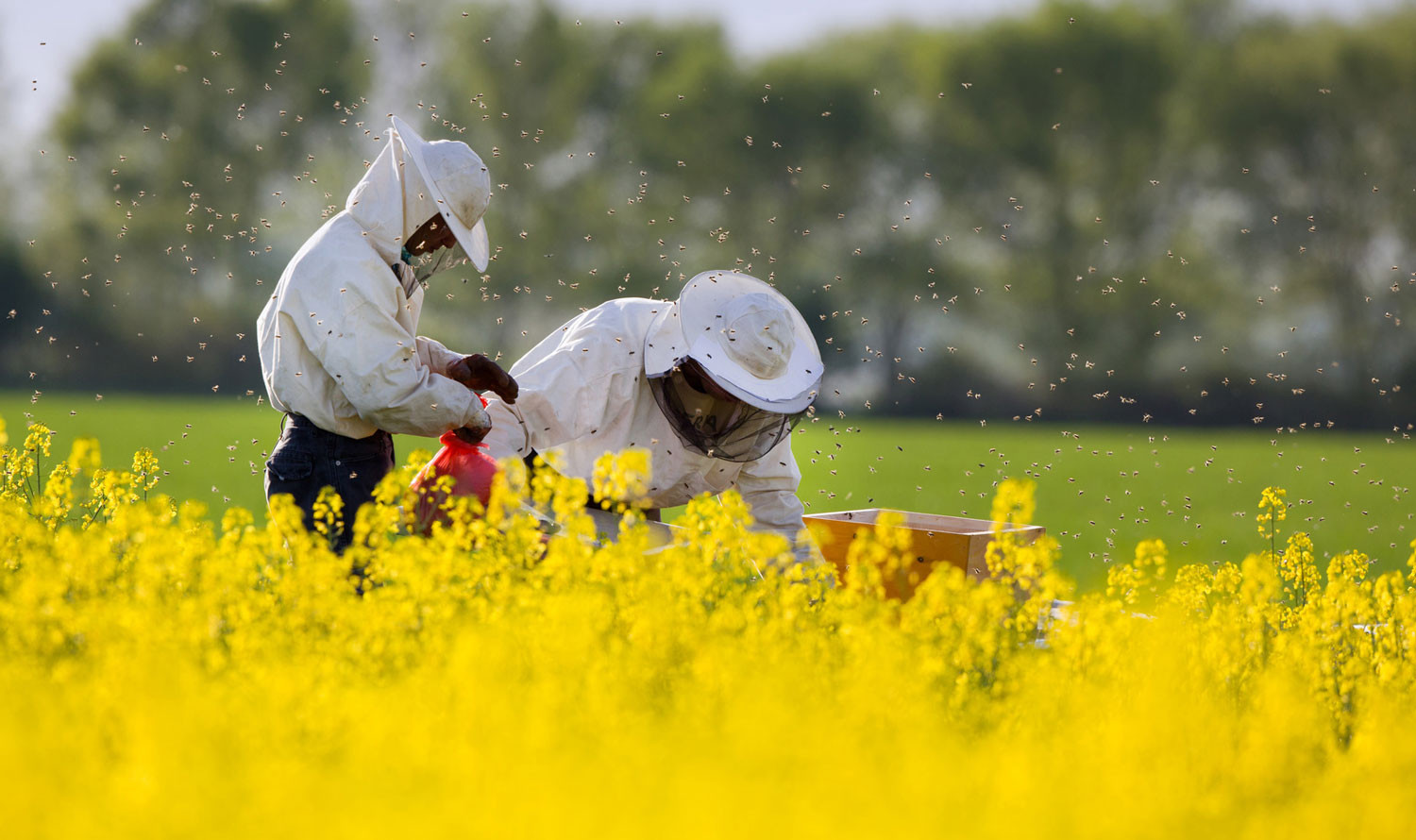


Global Warming and Beekeeping in Switzerland

Frühling | Temperatur | Thermometer | Wärme | Sonne | Hochdruck | Hochdruckgebiet | Meteorologie | Natur | warm | Frühlingsgefühl | Hoch | Wetter | Pollen | Pollenflug | Pollenallergie | Allergie | Pollenkalender | außen | Celsius | Skala | Hitze | Klima
© Wolfgang Filser
By 2024, Switzerland had already warmed by about 2.9 °C relative to pre-industrial conditions (1871–1900) — more than twice the global average. That is roughly the warming level the CH2025 climate scenarios describe for Switzerland in a global 1.5-degree world. For beekeeping, adaptation is therefore not a task for the future. However, the key issue is not simply that everything is happening earlier. Flowering, nectar flow, colony development, Varroa reproduction, and suitable treatment windows are shifting at different rates and no longer coincide as reliably. Earlier flowering does not guarantee a nectar flow; strong colony development simultaneously creates more space for Varroa to reproduce; and a warm fall delays the brood-free period. As a result, the beekeeping calendar does not lose its value, but it does lose its predictive power. This article combines the official Swiss climate scenarios with findings from plant biology, ecology, and bee research, consistently distinguishing between established findings, plausible inferences, and open questions.
1. Where we stand
|
Development of the annual mean temperature in Switzerland |
This chapter situates the warming that has already occurred in Switzerland and delimits which conclusions can be drawn from it for beekeeping. |

1.1 The first stage of warming already lies behind us
Climate change is often treated as if the decisive changes were still ahead of us. For Swiss beekeeping this is not the case. The first stage of warming has already been reached.
In November 2025, MeteoSwiss and ETH Zurich published the new national climate scenarios CH2025. They replace the previous CH2018 scenarios and show that Switzerland has warmed by around 2.9 °C up to 2024 compared with pre-industrial times (1871–1900). The uncertainty range lies between roughly 2.6 and 3.2 °C.
This value corresponds approximately to the warming expected for Switzerland in a world with global warming of 1.5 °C. The warming observed in Switzerland to date thus lies roughly at the level that CH2025 indicates for Switzerland in a global 1.5-degree world. What is being compared here is the level of warming, not the entirety of climatic conditions. The difference from the global mean is explained above all by the fact that land surfaces warm faster than oceans and that Switzerland, owing to its continental position and topography, is particularly affected (MeteoSchweiz & ETH Zürich, 2025).
For beekeeping this means that adaptation is not a task for a distant future. The changes have already arrived in the vegetation, in the development of the colonies and in operational routines.
1.2 What the climate scenarios show
CH2025 describes the changes in a new way, on the basis of global warming levels. This makes it possible to represent how the Swiss climate changes at a global warming of 1.5, 2 or 3 °C. The respective emissions scenario determines above all when such a level is reached.
In a world with global warming of 2 °C, the mean summer temperature in Switzerland is expected to rise by 2.1 °C compared with the reference period 1991–2020. The range across the models extends from 1.3 to 2.8 °C. The hottest day of the year becomes about 2.4 °C warmer, the warmest night about 2.1 °C.
Summer drought also increases. Dry periods that occurred statistically about once in ten years during the reference period become roughly 1.9 times as frequent and, on average, about 28 % more intense (MeteoSchweiz & ETH Zürich, 2025).
The ranges given are just as important here as the mean values. Climate scenarios are not point-accurate forecasts. They show possible developments and their order of magnitude. Anyone who cites individual values alone and omits their uncertainty creates a precision that the models do not claim.
1.3 What the scenarios do not show
The climate scenarios describe temperature, precipitation, drought, snow and extreme events. They contain no direct statements, however, about flowering phenology, nectar production, the development of the colonies or the reproduction of varroa.
A warmer summer therefore does not automatically result in a weaker forage yield. Between the climate signal and the apicultural effect lie numerous biological processes: the response of the plants, the availability of water, air humidity, flying weather, colony development and the particular management practice.
The link between climate change and beekeeping must therefore be established from several fields of research. This article combines the official Swiss climate scenarios with findings from plant biology, ecology and bee research.
Nor can robust conclusions on regional wind systems such as the foehn and the bise be derived from CH2025. The scenarios point out explicitly that such small-scale processes are captured by the models only to a limited extent.
1.4 It is not only the mean that changes
For beekeeping it is not only decisive that it becomes warmer on average. At least as important are the increasing extreme events and the greater differences between years.
Extremely hot days that under present conditions occur statistically about once in fifty years become roughly 4.5 times as frequent in a 2-degree world. In a 3-degree world they could occur about 16.7 times as often. It is also striking that very warm nights warm particularly strongly. For colonies this may be significant, because the opportunities for releasing surplus heat at night may be reduced.
At the same time, the long-term trends will continue to be overlain by large natural fluctuations. There will still be humid and productive summers in future. They will, however, probably become rarer, while already dry summers turn out more extreme.
A good forage year therefore refutes climate change no more than a single failed year proves it. What is decisive is that the frequency of certain conditions changes and that the years become less similar to one another. With this, the reliability with which experience from one year can be transferred to the next also decreases.
1.5 Altitude remains an advantage – but not an immutable one
Warming is not necessarily substantially stronger at higher altitudes than in lower regions. The regional differences in temperature change within Switzerland are, according to CH2025, comparatively small.
The climatic thresholds, however, change markedly. The winter zero-degree line lay at around 900 metres during the reference period. In a 2-degree world it is expected to rise by a further 320 metres. At the same time, the snow water storage between 1'000 and 1'500 metres decreases by about 61 %. Snowmelt begins earlier, so that less water is available during the summer half-year.
Regions of the Alps and Prealps in which hot days have so far scarcely occurred will also be affected by heat more frequently in future. Higher altitudes thus remain a possible refuge for apiaries and forage. This advantage, however, shifts increasingly upwards with the warming.
1.6 Switzerland as the frame of reference, Valais as a case study
The changes described concern the whole of Switzerland, but not all regions in the same way. The Central Plateau, the Jura, the inner-Alpine valleys, the southern side of the Alps and higher altitudes differ strongly in terms of precipitation, vegetation, altitude and agricultural use.
Valais therefore serves in this article as an in-depth case study. This inner-Alpine dry valley combines high temperatures, low precipitation and pronounced altitudinal gradients within a confined space. Some developments that are expected only to become more frequent in other regions already form part of everyday management there.
Valais is not, however, simply the future of the Central Plateau. Its dryness arises largely from the inner-Alpine rain shadow and not from climate warming alone. The transfer holds only in so far as it concerns the consequences of increasing water limitation, more frequent heat and shifted altitudinal zones.
1.7 What this article can achieve
The consequences of climate change for honey bees are now the subject of numerous investigations. Considerably less well researched is how these changes affect the concrete management of an apiary and the decisions of beekeepers.
A systematic review of 90 scientific works points explicitly to knowledge gaps at the level of the apiary and of beekeeping operations (Zapata-Hernández et al., 2024). A further review emphasises that adaptation does not consist of technical measures alone. It also depends on the site, on knowledge, on available means and on the ability to change operational routines flexibly (Meisch et al., 2026).
This article therefore distinguishes between three levels:
- well-supported scientific findings,
- plausible but not yet directly tested relationships,
- open questions for which no robust answer is currently available.
The guiding thesis is: climate warming shifts flowering, nectar flow, colony development, varroa development and the windows for apicultural intervention – but not at the same pace. As a result, the existing calendar is not simply moved forward. Rather, it loses reliability.
Individual developments may temporarily bring advantages, for example an earlier colony development or better use of an early forage flow. At the same time, however, they may create new risks. An experimental finding from Central Europe illustrates this trade-off particularly clearly: stronger adaptation to early forage flows may be associated with increased reproductive space for varroa (Nürnberger et al., 2019).
A warmer Switzerland therefore does not automatically mean longer forage periods or higher honey yields. What is decisive is whether plants, colonies and parasites continue to respond in the same rhythm. It is precisely here that the first central decoupling begins: flowering is not the same as forage.
2. Flowering is not the same as forage
 |
This chapter shows why visible flowering and the actual intake of nectar and pollen can diverge under warmer and drier conditions. |
2.1 Visible flowering, missing intake
Anyone who keeps a scale hive knows the situation: the black locust, the lime or the bramble is flowering abundantly, the stand looks promising – yet the weight of the colony scarcely increases. This observation is not a contradiction. Flowering and producing nectar are two distinct processes that do not respond in the same way to temperature, drought and air humidity.
A plant can therefore visibly be in full bloom and still offer the bees only little nectar. It is precisely this decoupling that constitutes one of the most important consequences of climate change for beekeeping: the flowering calendar shifts without the actual nectar flow changing to the same extent or in the same direction.
2.2 Flowering shifts – but not according to a uniform rule
That many plants flower earlier is well documented. Less clear is by how many days a particular forage plant shifts. The response depends, among other things, on plant species, altitude, winter cold, spring temperature, precipitation and day length.
Robust figures have so far come above all from long-term series outside Switzerland. For the apple cultivar Bramley, an advance in full flowering averaging 6.7 ± 0.9 days per degree of spring warming was recorded in Great Britain over 48 years. Additional spring precipitation, by contrast, delayed flowering slightly (Wyver et al., 2023b).
A study of 88 British wild bee species likewise showed a clear shift: since 1980 their seasonal appearance occurred on average 0.40 ± 0.02 days earlier each year. Converted, this corresponded to about 6.5 ± 0.2 days per degree of warming (Wyver et al., 2023a).
Among the species studied, the observed shifts were of the order of about one week per degree of warming. This is not a general phenological rule. No general rule for all Swiss forage plants may, however, be derived from it. Statements that flowering advances across the board by two to four weeks must always be related to a particular species, a particular period and a concrete site.
For black locust, lime, dandelion, bramble or other important Swiss forage plants, comparable long-term series from which a uniform figure could be derived are so far lacking.
More decisive than the average is in any case the fact that not all species shift at the same rate. Early-flowering and late-flowering plants respond differently. Pollinators, colonies and plants also do not follow the same environmental cues. As a result, the whole of spring does not simply move forward together; rather, the relationships between flowering, bee flight and colony development may loosen.
2.3 Colonies, too, do not simply respond earlier
In honey bees the response to warmer winters and springs is more complex than in many plants.
In a climate chamber experiment with an early-flowering crocus, higher winter and spring temperatures led to earlier flowering of the plant and to more intense brood activity in the colonies. The onset of brood activity was not, however, advanced correspondingly. Flowering additionally responded to day length, brood development less strongly (Villagómez et al., 2021).
A Central European field experiment, by contrast, showed that the seasonal development of colonies can respond sensitively to environmental conditions in late winter (Nürnberger et al., 2019).
These results do not necessarily contradict each other. Rather, they show that the timing and the extent of brood depend on several factors. Temperature is important, but it acts together with colony strength, food supply, genetics, day length and the local forage supply.
For beekeeping this means that earlier flowering does not guarantee that sufficient foragers are available at the right time. Conversely, a colony may intensify its brood activity even though the early forage flow yields little food owing to drought or unfavourable flying weather.
2.4 Heat does not simply dry out the nectar
It is often said that heat causes the nectar in the flowers to evaporate. This explanation falls short. Under heat and water stress the plant primarily changes its production: it secretes less nectar or reduces its sugar content.
How strong this effect can be is shown by experiments with borage as a model plant. Under combined heat and drought stress, the mean nectar volume fell from 6.1 ± 0.5 microlitres to 0.8 ± 0.1 microlitres per flower. The total sugar amount decreased by around 60 % (Descamps et al., 2021).
In an earlier experiment by the same research group, a flower contained on average 3.9 ± 0.3 milligrams of nectar sugar at 21 °C with an adequate water supply. At 27 °C with simultaneous water stress it was only 1.3 ± 0.4 milligrams. In addition, pollen viability fell from 79 % to 25 % (Descamps et al., 2018).
The exact values apply to borage under the experimental conditions studied and cannot be transferred directly to Swiss forage plants. The underlying mechanism is, however, more broadly supported: a meta-analysis across various plant species concludes that rising temperatures reduce floral rewards and can also impair pollen germination and pollen viability (Alquichire-Rojas et al., 2024).
Heat and drought act together here. An elevated temperature need not in itself be harmful. If the plants lack water, however, their nectar and pollen production may decline sharply.
2.5 Nectar production follows a bell curve
The relationship between temperature and nectar secretion is not linear. Production initially rises with increasing temperature, reaches a species-specific optimum and falls again above this range.
In the Mediterranean plant species studied, the optimal temperatures for nectar production lay close to those conditions that were usual during their previous flowering period. Late-flowering species could exceed these optima more frequently as warming continues. Early-flowering species, by contrast, may temporarily benefit from warmer conditions, provided sufficient water is available (Takkis et al., 2018).
For two labiates studied, optima of about 25 to 26 °C and 29 to 33 °C respectively were determined (Takkis et al., 2015). In sunflowers the amount of nectar sugar produced increased up to an optimum of around 32 °C. At the same time, air humidity influenced the concentration and the volume of the nectar (Chabert et al., 2020).
These findings explain why warm years may well be very good forage years. Heat is not fundamentally negative. It can promote nectar production as long as the temperature optimum of the plant concerned is not exceeded and sufficient water is available.
As warming progresses, however, the number of days on which individual plant species lie above their optimal range increases. Because temperature requirements are species-specific, not all forage sources are impaired simultaneously. An early fruit or dandelion flow may benefit, while later forage flows suffer under heat and drought.
The shape of the temperature response can in principle be transferred. The thresholds measured in individual studies, by contrast, cannot. For important Swiss forage plants the optimal temperatures of nectar secretion are only insufficiently known.
2.6 What becomes visible at the scale hive
At the level of the colony, the consequences of heat and drought can be observed in the weight trajectory.
In a Mediterranean study, colonies were monitored with electronic hive scales and regular colony inspections. In the particularly hot and dry year 2017 the flowering period was shortened by about three weeks compared with the previous year. The average weight gain of the colonies amounted to only 7.67 kilograms, against 18.92 kilograms in 2016. At the same time, effects on colony development and on honey and pollen stores were recorded (Flores et al., 2019).
The comparison covers only two years and does not in itself demonstrate a long-term climate trend. It does show, however, how large the differences between a favourable and a hot, dry forage year can be.
A more broadly designed Polish study recorded 60 apiaries over three growing seasons. Sites in areas with an elevated drought risk showed higher temperatures and lower air humidity. Especially in the dry months of July and August, their weight changes were smaller than at sites outside these risk areas (Kędzior et al., 2025).
The diversity of the available forage resources may also decline. A European analysis of around 2'500 pollen samples from 310 sites showed that rising temperatures and declining precipitation can reduce the diversity of the plants used by honey bees. The combination of warming and drying is particularly problematic: where both coincide, the opportunities to compensate for the loss of individual resources in time or in space diminish (Quaresma et al., 2026).
For practice an important distinction follows from this: the visible flowering stand indicates the potential supply. Only the weight trajectory of the colony shows whether more food is actually being brought in than consumed.
2.7 Honeydew and melezitose
Besides floral nectar, honeydew also deserves particular attention in Switzerland. This applies in particular to forest honeydew areas and inner-Alpine dry valleys.
In one study, 620 honeydew samples from four years were evaluated. Meteorological, geographical, botanical and zoological influencing variables were considered jointly. Higher temperatures and lower relative air humidity were associated with increased melezitose production. Melezitose-rich honeydew was moreover collected more frequently in areas whose soils could store water only to a limited extent (Seeburger et al., 2022).
As a possible mechanism, it is assumed that a restricted water supply of the host trees changes the composition of the phloem sap and thereby indirectly influences the sugar production of the honeydew producers. At the same time, the sugar composition depends strongly on the particular aphid or scale insect species. It is thus not the tree or the climate alone that determines whether problematic honeydew arises (Shaaban et al., 2020).
That melezitose can be burdensome for bees has been shown experimentally. Bees supplied with melezitose-rich feed took up more food, had a higher gut weight and showed increased mortality. Swollen abdomens, movement disorders and changes in the lactic acid bacteria of the gut were also observed (Seeburger et al., 2020).
The Swiss climate scenarios expect a slight decrease in relative air humidity for summer and autumn, particularly in the Alpine region and on the southern side of the Alps, as well as more frequent and more intense summer drought. These changes correspond to those environmental factors that were associated with melezitose in the honeydew study.
It does not follow automatically from this, however, that melezitose honey will generally become more frequent in Switzerland. The relationship is biologically plausible but has so far not been demonstrated by a long-term Swiss study. Besides climate and water supply, the local honeydew producers, the host trees and the concrete course of the weather play a decisive role.
2.8 Forage plants are changing as well
Beekeepers report regionally that certain forage plants such as rosebay willowherb or bramble are declining, while heat-loving or invasive species such as the tree of heaven are increasing.
Such observations are plausible but must not be generalised without further consideration. Changes in plant communities may, besides climate, also be due to land use, mowing, scrub encroachment, forest development, invasive species or changes in agriculture.
For a robust statement concerning Switzerland, long-term vegetation data linked to the apicultural use of the plants would be required. The observation therefore belongs for the time being in the category of regionally plausible but insufficiently investigated developments.
2.9 Interim conclusion: what is decisive is not flowering but intake
The onset of flowering loses informative value as a sole indicator. For a plant actually to deliver a forage flow, several conditions must be met simultaneously:
- sufficient water in the soil,
- temperatures within the species-specific optimum,
- suitable air humidity,
- favourable flying weather,
- a sufficiently strong colony ready to forage.
These conditions do not shift at the same pace and do not necessarily occur simultaneously. Earlier flowering may therefore open up a good forage flow, remain without effect, or even lead into a dearth if the colonies are not yet ready or the plants, under water stress, produce only little nectar.
For apicultural observation this means: attention to the flowering stand remains important but is not sufficient. Entrance observation, pollen intake, the development of stores and, in particular, the hive scales provide more reliable indications of whether visible flowering actually leads to a nectar flow.
This chapter has described the plant side. The following chapter turns to the colonies: how do they respond to earlier, shorter or less reliable forage flows – and why can stronger colony development at the same time increase the varroa risk?
3. More brood, more mites
 |
This chapter explains the trade-off between intensive colony development and growing reproductive space for varroa. |
3.1 The obvious adaptation
If the forage flow begins earlier, the colony should also be ready earlier. Rapid build-up in spring therefore initially appears an appropriate response to climate change: more workers are available in time for early forage flows, and the colony can make better use of a food supply that has moved forward in time.
This advantage has a downside, however. More intense and longer-lasting brood activity simultaneously creates more reproductive opportunities for varroa. Adaptation to earlier forage flows may thus favour precisely that parasite development which weakens colony strength again over the further course of the year.
3.2 One experiment shows both sides of the trade-off
This relationship was investigated in a Central European experiment in which the seasonal development of colonies was deliberately shifted. The experiment thereby reproduced differences such as may also arise from changed climatic conditions (Nürnberger et al., 2019).
Colonies with delayed development had smaller worker populations in spring and lower honey stores in the following months. They were thus less well matched to early forage flows.
In summer, however, the opposite direction became apparent: varroa infestation in the non-delayed colonies was roughly three times as high as in the colonies with later development. A high summer varroa infestation was moreover associated with lower growth of the worker population.
The factor of three is a result of this particular experiment and not a generally valid rule of calculation. The finding does, however, make the order of magnitude of the possible trade-off visible: early and strong colony development may improve the forage yield and at the same time promote the build-up of the varroa population.
The colonies proved on the whole remarkably resilient to the temporal shift. The experiment therefore does not show that altered phenology inevitably leads to collapse. Rather, it shows that advantages in spring may be associated with disadvantages in summer.
3.3 Further studies support the relationship
A Central European long-term evaluation covering the years 1991 to 2020 examined how seasonal temperatures relate to varroa infestation in autumn. Higher temperatures in spring and in October were associated with stronger autumn infestation. The number of bees in autumn and the amount of capped autumn brood were also significant (Smoliński et al., 2021).
A further study compared urban and rural apiaries in five Polish regions. Colonies at urban sites showed stronger brood dynamics. A larger amount of brood in spring was in turn associated with higher varroa infestation in summer (Gerula et al., 2025).
Urban heat islands can to a certain extent anticipate conditions that occur more frequently under general warming. The comparison cannot, however, be reduced to temperature alone. Differences in the forage supply, in land use and in beekeeping management may also have influenced colony development.
Despite this qualification, the studies point in the same direction: where more brood is present, varroa finds more capped brood cells for its reproduction.
3.4 Not only the onset of brood, but above all the extent of brood counts
The relationship is often presented in strongly simplified form:
Warmer winters lead to an earlier onset of brood, allowing varroa to reproduce for longer.
This explanation is plausible but falls short. The evidence available so far suggests rather that the timing of the onset of brood is not decisive on its own. More important appears to be how much brood a colony maintains over the season and how long larger brood areas remain present.
In the long-term evaluation by Smoliński et al. (2021) no unambiguous direct relationship emerged between a merely advanced seasonal development and varroa abundance. The observed effects were associated rather with stronger bee reproduction during particular parts of the year.
A climate chamber experiment fits with this: higher winter and spring temperatures intensified the brood activity of the colonies studied but did not advance its onset correspondingly (Villagómez et al., 2021).
The Polish study likewise indicates that it is above all the amount of brood and the brood dynamics that are related to the later increase in varroa (Gerula et al., 2025).
The chain of effects can therefore be summarised cautiously as follows:
Warmer conditions may intensify brood activity and favour larger brood areas over a longer period. This creates more reproductive space for varroa, which may increase infestation in summer and autumn.
For practice this distinction is important. The date on which brood is first found describes only a brief moment. What is decisive is how the extent of brood develops over spring, summer and autumn.
3.5 Autumn becomes the second critical window
The relationship does not end with spring. In autumn, too, higher temperatures may sustain brood activity, and thus the reproduction of varroa, for longer.
The long-term evaluation mentioned showed that higher October temperatures were associated with increased varroa infestation in autumn. At the same time, a larger amount of capped autumn brood increases the number of cells in which the mites can continue to reproduce (Smoliński et al., 2021).
A condition that is decisive for varroa control thereby becomes less reliable: the broodless period. As long as capped brood is present, a proportion of the mites remains protected from treatments. The suitable time for an effective winter treatment can therefore be derived less and less from the calendar alone.
A modelling study for the Pacific Northwest of the USA points to a further possible mechanism. Warmer autumns could prolong flight activity and change the age structure of the overwintering bees. According to the model this would increase the risk of colony losses in the following spring (Rajagopalan et al., 2024).
These results are based on a model calculation and not on Swiss field measurements. They are therefore to be understood as a hypothesis and not as established proof.
Well documented, by contrast, is the fact that the quality of the winter bees is closely related to varroa infestation. A low infestation before and during the formation of the winter bees led, in one study, to a longer lifespan of the individual bees and to better survival prospects of the colonies in winter (van Dooremalen et al., 2012).
In autumn, several burdens may thus coincide:
- continued varroa reproduction in capped brood,
- a later or absent brood break,
- increased food consumption,
- possible changes in the age structure of the winter bees.
Which of these mechanisms predominates in the individual case has not been conclusively clarified. For beekeeping practice what counts above all is the common consequence: the point at which a colony is actually broodless becomes more uncertain.
3.6 Can a strong colony compensate for the burden?
Strong colonies can partly compensate for temporal shifts. The resilience to an altered phenology observed in the experiment shows that colonies possess considerable capacities for adaptation (Nürnberger et al., 2019).
Warmer conditions may, however, also incur direct costs. In a Europe-wide comparison of 16 genetic origins under different environmental conditions, colonies in more southerly and warmer regions tended to have smaller adult bee populations. The authors relate this to a shorter lifespan of the workers under warmer conditions. In more northerly regions, by contrast, the brood population was smaller owing to the shorter brood season (Hatjina et al., 2014).
This does not mean that every colony must simultaneously have more brood and fewer adult bees under warm conditions. The comparison does show, however, a possible trade-off: brood production may remain intense while the adult population has to renew itself more rapidly.
A colony may thereby exhibit a high biological turnover without becoming permanently stronger. At the same time, varroa benefits from a large and continuously available brood area.
3.7 Swarming: an indirect climate effect
An increasing tendency to swarm is also often attributed directly to climate change. An indirect relationship is more probable.
A warm spring can accelerate colony build-up. When the bee mass and the brood nest grow rapidly, a need for space arises earlier. If the space is not expanded in time, or if signs of swarming are recognised too late, the colony may enter a swarming impulse earlier.
Climate therefore does not trigger the swarming impulse independently of management practice. Rather, it shifts the point at which space, forage, colony strength and apicultural interventions have to be matched to one another.
In a Europe-wide comparison of colonies of different genetic origin, the variability in swarming, defensive and hygienic behaviour between sites was greater than between the genetic origins (Uzunov et al., 2014). Environment and colony management may therefore shape the observed behaviour more strongly than origin alone.
For practice it follows that the start of swarm control should be guided by the actual development of the colony and not by a fixed calendar date. In a warm spring, a date that has proved reliable so far may already be too late.
3.8 Interim conclusion: the trade-off cannot be eliminated
Early and strong colony development brings real advantages. It improves the ability to use early forage flows and may lead to greater colony strength and a better honey supply.
The same development may, however, create a larger and longer-available brood area. Varroa thereby gains more opportunities for reproduction. A strong colony in spring is therefore not automatically a colony that is well secured for the further course of the year.
Conversely, it would be equally wrong deliberately to keep colony development weak in order to limit varroa. That would impair forage use, colony strength and yield.
The trade-off cannot be fully resolved. It has to be managed through colony management. This includes in particular:
- observing the extent of brood over the season,
- measuring varroa infestation repeatedly,
- aligning swarm control with actual development,
- verifying the broodless period in autumn and winter instead of presupposing it.
The simple formula of moving all tasks in the annual calendar forward by a few weeks is not sufficient. For colony development, forage flow and varroa reproduction do not change at the same pace.
So far, spring and autumn have been at the centre of attention. But summer, too, is increasingly becoming a critical phase. Heat, drought and dearth burden the colonies in a season long regarded as comparatively stable.
4. Summer becomes the second critical phase
 |
This chapter describes how heat, drought and water shortage make summer a burden phase in its own right for colonies. |
4.1 An assumption that is increasingly losing validity
Winter is traditionally regarded as the critical season for colonies. Summer, by contrast, was long considered a comparatively stable phase: the colony is strong, collects food and can largely compensate for temporary burdens itself.
This classification becomes less reliable under warmer and drier conditions. Dearth, high temperatures and water shortage may occur simultaneously in high summer – at a time when the colonies are still maintaining a great deal of brood, when nucleus colonies are being built up and queens are being mated.
A study of the nutritional cycle of colonies in Sardinia identified two critical phases within one year: the expected winter depletion and a second phase of scarcity in summer. The nutritional status of the bees largely followed the available nectar flow. Precipitation influenced the colonies indirectly, via the vegetation and the demographic development of the colonies (Knoll et al., 2024).
A Sardinian annual course cannot be transferred directly to the Swiss Central Plateau or to Alpine regions. The basic structure is nevertheless relevant: where a pronounced summer dearth arises, high summer may become a second nutritional and burden phase. In low-lying and dry areas of Switzerland this pattern is already plausible today.
4.2 Water: a store the colony can scarcely build up
A colony can store honey over a longer period, pollen at least to a limited extent. With water, by contrast, the reserves are small. If demand rises suddenly, the colony must quickly deploy additional water foragers.
Water fulfils several functions in the colony. It is needed for the preparation of food, serves to supply the brood and is decisive for evaporative cooling in heat. If the brood nest threatens to overheat, the bees distribute water on the combs and generate evaporative cooling through ventilation.
How this response is regulated is well studied. Water foragers assess the colony's demand among other things by how easily they can pass their load to house bees. If demand rises, more bees are deployed for the reception and distribution of the water. At the same time, workers from other task areas may switch to water collection (Kühnholz & Seeley, 1997).
Under heat stress the colonies increase their water uptake very rapidly. Part of the water is stored temporarily in the honey stomachs of the bees or in cells. This buffer remains small, however, and is not sufficient to bridge a longer-lasting supply gap (Ostwald et al., 2016).
For practice a decisive difference from the food supply follows from this: a water shortage cannot simply be compensated for by existing stores. If a previously used water source dries up during a heat wave or lies far from the apiary, the collection effort and the burden on the bees deployed for it increase immediately.
4.3 How the colony responds to a heat wave
Colonies can buffer high temperatures astonishingly effectively. This ability must not, however, be confused with being cost-free.
In an experiment with simulated heat waves, the activity of the colonies increased by around 70 %. Bees that had previously exercised little or no visible activity were probably mobilised for this. The collection of nectar and pollen remained largely stable in the experiment. At the same time, the number of water foragers increased, while fewer bees flew out without a visible load (Bordier et al., 2017).
At the level of the individual workers, no unambiguous impairment of immune function was recorded. Vitellogenin values rose, possibly as part of a protective response against oxidative stress. The burden of deformed wing virus also did not increase in the experiment.
The result shows the high adaptability of a colony. It equally shows, however, that this adaptation rests on the mobilisation of personnel reserves. A colony may come through a heat wave apparently without visible damage and nevertheless use up part of its internal buffers.
The costs therefore do not necessarily appear as an immediate loss of brood or as absent nectar intake. They may show themselves in the fact that fewer reserves are available at the next stress event – for instance during a subsequent dearth, a varroa infestation or a treatment.
How far the experimental results can be transferred to extreme Swiss heat waves depends on the duration and intensity of the event concerned. The study demonstrates the fundamental responsiveness of the colonies, not their unlimited resilience.
4.4 For the individual bee, desiccation becomes the limiting factor
Honey bees can tolerate high body temperatures during flight. Under hot and dry conditions, however, it is not temperature alone that becomes a problem, but increasingly water loss.
Nectar-loaded bees adjusted their flight at an air temperature of 40 °C by reducing wingbeat frequency and thus their own heat production. A greater wingbeat amplitude helped them to compensate in part for the lower frequency. At the same time, the importance of evaporative cooling increased (Glass et al., 2024).
The authors conclude that desiccation may already limit foraging activity under hot and dry conditions before the critical thermal maximum of the bees is reached. The animals may thus still tolerate heat physiologically but can no longer provide sufficient water for prolonged activity.
Classic field observations from the Sonoran Desert show corresponding behaviour. At about 20 °C, practically no bees returned with a visible droplet of liquid on the tongue. At a shade temperature of 40 °C it was around 40 %. The bees used the liquid for evaporative cooling (Cooper et al., 1985).
In the same study, pollen collection declined at high temperatures. Pollen foragers, in contrast to nectar and water foragers, carried little liquid with them and reached higher thoracic temperatures at 40 °C.
It cannot be inferred from this that pollen intake fails first in every heat wave. The study does indicate, however, that pollen foragers may be particularly exposed under extremely hot conditions. A declining pollen intake may therefore be an early sign that the colony's foraging activity is being restricted by heat and drought.
For inner-Alpine dry areas the combination is particularly relevant: high temperatures and low air humidity jointly increase water loss. The limit of foraging activity may thereby be reached even though temperature alone would not yet be immediately lethal for the bees.
4.5 Small units have smaller reserves
Not all colonies can compensate for heat equally well. Besides site and hive, colony strength and available bee mass are decisive.
Production colonies have many workers who can be deployed at short notice for ventilation or water transport. Artificial swarms and mating units, by contrast, have fewer bees and smaller personnel reserves. Their smaller hive volume and an unfavourable ratio between surface area and interior space may also contribute to greater temperature fluctuations.
In a semi-arid region of Argentina, standard hives were compared with the practice of stacked nucleus boxes, in which colonies are kept permanently in a smaller space. The mean internal temperature was 33.2 °C in the standard hives and 34.1 °C in the smaller units. Measurements at the periphery of the hives moreover showed that the units with reduced space were more strongly exposed to thermal extremes (Bourrel et al., 2025).
The difference of less than one degree appears small at first. For brood care, however, it is not only the mean that matters, but also how often and for how long locally critical temperatures occur. The study did not, however, record colony strength; that smaller units simultaneously have fewer workers available for ventilation and water transport is an obvious but, in that study, untested addition.
Particular attention should therefore be paid to:
- artificial swarms and nucleus colonies,
- mating units,
- shook swarms,
- heavily depleted colonies,
- units at provisional or fully sun-exposed sites.
A small unit is not at risk on account of its volume alone. Colony strength, shading, hive material, air exchange and water availability act together. The study does show, however, that reducing space in heat is not a neutral intervention.
4.6 Reproduction under summer stress
Summer is not only a collection period. During this time drones develop, mating flights take place and young queens are introduced into the colonies. Disturbances of reproduction may therefore have long-term consequences, even if the colony concerned initially appears unremarkable.
For drones an increased sensitivity to various burdens is well documented. In a direct comparison, drones responded more strongly to cold stress and to exposure to imidacloprid than workers. This was the case despite a high baseline provision of certain stress response proteins (McAfee et al., 2022).
Other studies likewise show that male reproductive function can respond sensitively to burdens. Parasites and insecticides markedly impaired the sperm quality of drones (Kairo et al., 2017). A review names, besides nutrition, disease and chemical burdens, temperature as an influencing factor on reproductive quality. Sperm formation is already completed during pupal development, so that thermal burdens before emergence could be particularly relevant (Rangel & Fisher, 2019).
These studies demonstrate a general stress sensitivity of drones and their reproductive function. They do not, however, permit a precise temperature threshold above which mating success declines under Swiss field conditions.
For queens the evidence is even thinner. In a Brazilian shading experiment with Africanized bees, the queens of shaded colonies lived on average 244 ± 71 days, those of colonies placed in full sun 193 ± 63 days. The difference was not significant – with five colonies per group, however, the experiment could scarcely have detected even a marked effect, and the authors themselves call for a larger sample. Significantly larger, by contrast, was the capped brood area in the shaded colonies (Santos et al., 2023).
No established heat effect on the queens can therefore be derived from the observed lifespan values. It is plausible that extreme temperatures may impair the development of drones, mating flights, the storage of sperm or subsequent laying performance. For a robust statement under Swiss field conditions, however, direct studies are lacking.
Reports of increased mating or queen problems during heat waves should therefore be taken seriously but not presented as an already proven general climate effect.
4.7 Warm nights shorten the recovery phase
For thermal burden it is not only the daytime maximum temperature that counts. Also decisive is how strongly the air cools during the night.
The climate scenarios CH2025 show that very warm nights are changing markedly. For a world with global warming of 2 °C, an increase in the temperature of the warmest night of around 2.1 °C is expected for Switzerland. In Lugano the number of tropical nights could rise from 15 during the reference period to 37 per year. At the same time, the season in which such nights occur lengthens from about eight to ten weeks (MeteoSchweiz & ETH Zürich, 2025).
Colonies can release surplus heat more easily when the outside temperature drops distinctly below the temperature of the brood nest at night. If the surroundings remain warm at night as well, the time window for passive cooling is shortened. Ventilation and water evaporation may remain necessary for longer.
This relationship is physiologically plausible. With the studies considered here, however, it is not directly demonstrated how strongly warm nights change the energy balance, the water consumption or the brood development of Swiss colonies. The development therefore deserves particular attention but should for the time being be treated as an open research question.
4.8 Interim conclusion: the costs often show only at the next burden
In warm and dry regions summer is increasingly becoming a burden phase in its own right. Its particularity lies in the fact that the consequences do not always become immediately visible.
The colony maintains the brood temperature by collecting more water and deploying bees for ventilation. It can maintain foraging activity temporarily by mobilising workers that were previously little active. These adaptations show the remarkable resilience of the colony. At the same time, they consume reserves.
The situation becomes critical in particular when several burdens coincide:
- high temperatures and low air humidity,
- absent or distant water sources,
- a summer dearth,
- small or weakened units,
- high varroa infestation,
- interventions or treatments during a heat wave.
A colony may cope well with a single event and nevertheless reach its limits at the following stress factor. The decisive resource that is lost in the process is not always immediately measurable colony strength, but the colony's remaining scope for action.
This gives rise to a further trade-off for beekeeping: it is precisely during summer burden phases that inspections and interventions would be necessary. At the same time, the suitable time windows for such measures become harder to predict because of heat, the brood present and changing forage conditions. This is the subject of the following chapter.
5. When the right moment becomes uncertain
 |
This chapter examines why treatments, diagnoses, predator pressure and access to the apiary are becoming less predictable in time. |
5.1 Not only more difficult, but less predictable
The common complaint is that apicultural treatments are becoming more difficult. That is true, but it describes the problem only in part. A difficult intervention can be mastered with more effort, experience or better equipment. More fundamental is the fact that the suitable moment can be determined in advance less and less.
A treatment calendar rests on assumptions about the course of the bee year: when the main flow ends, how long brood remains present, when the colonies become broodless and which temperatures are to be expected during the treatment. If the years become more variable, this model too loses reliability.
This does not concern varroa control alone. With nosema, diagnosis is complicated by non-specific symptoms. Pressure from the Asian hornet develops differently from region to region. At the same time, heat, forest fire risk or heavy precipitation may restrict access to remote apiaries precisely when inspections or treatments are due.
The common challenge is therefore: management must respond more often to the actual condition at the apiary instead of relying solely on a time window fixed in advance.
5.2 The summer treatment is under double pressure
Varroa control in summer is particularly demanding. Mite infestation should be reduced as early as possible so that healthy winter bees can develop. At the same time, a great deal of brood is usually still present, in which a large proportion of the mites are protected from the treatment.
Weather conditions come on top of this. Some methods require particular temperature ranges or respond sensitively to heat, air humidity, hive volume and colony strength. Precisely during the increasingly hot summers, the biological treatment window may therefore coincide with unfavourable application conditions.
How strongly the timing influences the further course is shown by a multi-year study of the seasonal development of varroa. After winter and spring treatments it took, under the conditions studied, about four to five months for the mite population to reach the defined threshold again. After summer and autumn treatments this value was exceeded again in less than three months (Jack et al., 2023).
These figures in months come from a specific North American context and cannot be transferred directly to Switzerland. The fundamental finding is nevertheless important: the resurgence of the mite population depends strongly on season, brood present and initial infestation. The treatment date is thus not an incidental detail but influences the outcome substantially.
A further study by the same research group showed that the efficacy of commonly used treatments varied considerably between seasons. Not every method that worked well at one point controlled the mite population equally reliably in summer or autumn (Jack et al., 2024).
It follows that a treatment may be technically correctly carried out and nevertheless not suffice if brood extent, infestation development and season coincide unfavourably.
5.3 Formic acid: one active substance, different application windows
Formic acid has the important advantage that it can in principle also reach mites in capped brood. Its efficacy and tolerability, however, depend strongly on the concrete application.
In an eight-year Central European study, treatments with 60 % and 85 % formic acid were compared. The 60 % application showed greater variation in efficacy and performed more often more weakly, particularly in two-chamber hives. The 85 % formic acid achieved, under the conditions studied, a higher and more uniform efficacy and was less strongly dependent on ambient temperature (Steube et al., 2021).
The focus of this study lay on cool late-summer and autumn conditions. It therefore demonstrates above all differences between the methods tested at lower temperatures. It cannot be inferred from this that a higher concentration would be fundamentally unproblematic in heat or suitable for every product.
A Luxembourg survey covering five winters found no unambiguous relationship between the application of 60 % formic acid and subsequent colony losses. The application of 85 % formic acid in August, by contrast, was associated with lower losses (Beyer et al., 2018). As this is an observational study, associations but no certain cause-and-effect relationships can be derived from it.
For the frequently cited blanket rule that formic acid must not be used above 30 °C, the scientific literature considered here provides no general evidence. This does not mean that this limit is unfounded. It may derive from the application instructions of particular preparations, from evaporation properties and from practical experience.
It would be problematic, however, to transfer the same temperature limit to all products and methods. Concentration, carrier material, dispenser, hive type, hive volume, colony strength and treatment duration jointly influence how much acid is released and how the colony responds to it. Decisive are therefore the application instructions of the preparation actually used.
Conversely, it must not be inferred that an application above the product-specific temperature limits is harmless. Binding are the current technical information of the preparation authorised in Switzerland and the corresponding form of application.
5.4 Side effects are possible
Formic acid is effective but not free of burdens for the colony.
In a summer experiment at two sites in Korea, 60 % formic acid showed the highest efficacy against the mite species studied. Both methods tested, however, reduced the brood area, particularly markedly in the formic-acid-treated colonies at one of the sites (Oh & Jung, 2025).
In a Canadian study, the colonies treated with formic acid developed more slowly during the summer. They achieved lower honey yields and were weaker at the end of the season than the comparison colonies. During the experiment five queens were lost, all in groups with formic acid treatment (Giovenazzo & Dubreuil, 2011).
Such an observation does not prove that formic acid generally causes queen losses. It does show, however, that efficacy and burden must be assessed together. Product, dosage, weather and the condition of the colony may substantially alter the risk.
A Swiss field trial in which a formic acid treatment was used as a comparison method likewise showed possible consequential costs. More frequent late requeening contributed there to burdens during overwintering (Sandrock et al., 2024).
The conclusion is therefore not to dispense with formic acid. It is not to assume a uniform temperature window for the active substance. Every form of application has its own conditions, advantages and risks.
5.5 Alternatives, too, are not independent of conditions
The wish for a less temperature-dependent method is understandable. The alternatives studied show, however, that dependence on the weather is often replaced by other uncertainties.
Oxalic acid in glycerin
Formulations with oxalic acid and glycerin are being intensively studied internationally. The results differ considerably.
In a Canadian study, oxalic acid–glycerin strips achieved, when applied in mid-August, an efficacy of 55.8 ± 3.2 %. They thus lay, under the local conditions, above a treatment with 65 % formic acid, which achieved 42.6 ± 3.2 %, and above an oxalic acid trickling treatment with 39.5 ± 4.3 % (Thurston et al., 2025).
A Greek four-year study, by contrast, reported for a formulation with 21 % oxalic acid in glycerin corrected efficacies between 90.4 and 94.5 %, even though brood was present during application and the weather differed between years (Kanelis et al., 2024).
In a further Canadian study, oxalic acid–glycerin pads did lower the infestation but did not reliably bring it below the intended autumn threshold. At the same time, the treated colonies gained less weight (Plamondon et al., 2024).
The range from about 56 to over 90 % shows that it is not the combination of active substances alone that determines success. Concentration, carrier, number and position of the strips or pads, colony strength, brood extent, treatment duration and climatic conditions act together.
The studies thus demonstrate the potential of the method, but not a standard application that is equally effective everywhere. Moreover, authorisation under medicinal products law is country-specific. A formulation tested abroad is not automatically authorised for application in Switzerland.
Brood interruption and biotechnical methods
A brood interruption reduces the number of capped cells in which varroa mites are protected. A subsequent oxalic acid treatment can thereby reach a substantially larger proportion of the mites. The method is less directly dependent on high summer temperatures than an evaporation treatment.
A European multicentre study examined 370 colonies at eleven sites in ten countries. With queen caging, the efficacies determined lay, depending on the subsequent oxalic acid application, between 48.2 and 89.6 %. The highest values were achieved with the trickling of a 4.2 % solution at 89.6 % and with the vaporisation of two grams of oxalic acid at 88.3 %. Purely biotechnical methods such as the trap comb and total brood removal did not differ significantly in the study from the caging method (Büchler et al., 2020).
The large range is itself a substantial finding. It shows how strongly the outcome depends on timing, execution and subsequent treatment.
An independent study arrived at a less favourable result under different conditions. Oxalic acid vaporisation in combination with a brood interruption did not control the infestation sufficiently. Caging carried out in autumn moreover impaired colony strength and survival; individual treatment groups showed high mortality (Jack et al., 2020).
Brood interruption is therefore not a simple weather-independent substitute. It exchanges part of the dependence on external conditions for high demands on planning, execution and timing.
5.6 The broodless period must be established
The uncertainty concerns not only the summer treatment. The winter treatment too loses predictability when the colonies maintain brood for longer in autumn and winter.
Oxalic acid reaches mites in capped cells only insufficiently. Its high efficacy therefore presupposes a broodless or nearly broodless state. Warm autumn periods may, however, mean that brood remains present for longer or is laid again after a brief interruption.
The calendar date alone is therefore not sufficient to assume a broodless period. Decisive is the actual condition of the colony. Observing the weather or flight activity may provide indications but does not replace an assessment of the brood situation.
The winter treatment thereby likewise moves from a fixed date to a condition-dependent decision.
5.7 Nosema is not primarily a consequence of climate
Nosema ceranae is often presented as a direct consequence of climate change. This classification is too simple.
The shift from Nosema apis to N. ceranae is first of all a story of spread and introduction. N. ceranae is regarded as a comparatively new parasite of the Western honey bee. Its worldwide distribution is associated among other things with international trade and the movement of bees (Goblirsch, 2018; Marín-García et al., 2022).
Climate may influence where the pathogen establishes itself and how an infection develops. Environmental conditions, colony management, the genetic origin of the bees, nutrition, pesticide burden and further pathogens act jointly, however (Meixner et al., 2015; Martín-Hernández et al., 2018).
For beekeeping, N. ceranae is difficult particularly because an infection may persist for a long time without unambiguous external signs. The classic, clearly visible spring nosemosis with faecal spotting does not necessarily occur. Weak development, low colony strength or poor performance may have numerous other causes.
Nosema thereby becomes primarily not a timing problem but a diagnostic problem.
5.8 Interactions with plant protection products
Experimental studies show that nosema infections can increase sensitivity to certain insecticides.
After exposure to sublethal doses of fipronil or thiacloprid, mortality was higher in bees infected with N. ceranae than in uninfected bees (Vidau et al., 2011). In a further study, the combinations of nosema and insecticides tested led to a burden on survival exceeding the individual effects (Aufauvre et al., 2012).
The effect is not the same under all conditions, however. A later transcriptome study did find increased mortality under combined burdens, but no unambiguous synergy (Aufauvre et al., 2014). For thiacloprid it was moreover shown that the strength of the interaction depends on the dose used (Retschnig et al., 2014).
No blanket percentage values can be derived from this. In particular, the occasionally cited statement that nosema increases sensitivity to pesticides generally by 70 to 80 % is not supported by these studies.
For practice it remains: an unexplained weakness of a colony should not be attributed prematurely to climate or to a single pathogen. It requires a systematic assessment of varroa, nutrition, queen, viruses, nosema and possible environmental burdens.
5.9 The Asian hornet: climate is one factor, but not the only one
The Asian hornet represents a new burden for European colonies. Its effects on foraging behaviour and colony development are well documented.
Field observations and modelling show that predation does not only cause direct losses of returning bees. It may also lead to foraging paralysis: the workers leave the colony less often, so that less nectar and pollen are brought in. This mechanism may impair colony development and overwintering (Requier et al., 2019).
In a French study, 38.1 % of the identified prey remains consisted of honey bees. The peak of predation was observed in early October (Rome et al., 2021). This figure comes from a particular regional and ecological context and must not be understood as a general proportion for all sites.
Climatic conditions influence where Vespa velutina can establish itself permanently. Models expect a further expansion of suitable habitat in Europe. Temperature and seasonal climatic conditions play an important role in this (Nie et al., 2024).
The spread observed so far is not, however, climatically determined alone. Human transport has contributed substantially to the introduction. In early British finds, for example, links to travel luggage or camping material and to imported timber were suspected (Budge et al., 2017).
The actual pressure on beekeeping also differs strongly between regions. A survey of 1'678 beekeepers in France and Germany found a considerably lower hornet-related risk in Germany than in France. Higher temperatures were associated with a greater risk, a greater distance from the original area of introduction with a lower one (Requier et al., 2025).
For Switzerland this means that further spread must be taken seriously. French predation or loss figures must not, however, be transferred unchanged to all Swiss regions. Decisive are the regional state of spread, the local climate, nest density and the development of the populations.
The concrete protection and control measures are dealt with in a later section. For this chapter it is decisive that hornet pressure too is less predictable in time and space than a traditional seasonal problem.
5.10 When the apiary cannot be reached
Extreme climatic events do not only complicate biological processes. They may also prevent beekeepers from reaching their colonies in time.
For Sion, CH2025 projects an increase in days with high weather-related forest fire risk from 18 during the reference period to 27 in a world with 2 °C of global warming. At 3 °C of global warming the value rises to 44 days (MeteoSchweiz & ETH Zürich, 2025).
Heavy precipitation is expected to become more frequent and more intense. Short, violent events in particular may trigger floods, landslides or debris flows. For hail the scenarios likewise point to a possible increase in frequency and hailstone size, particularly on the northern side of the Alps.
For remote apiaries such events may have concrete consequences:
- closed forest and mountain roads,
- access bans during high forest fire risk,
- damaged tracks and bridges,
- buried or flooded access routes,
- direct damage to hives and equipment.
Particularly problematic is that such restrictions may coincide with the already narrow time windows for inspections, feeding or varroa treatments. A treatment may be professionally planned and nevertheless take place too late because the site is temporarily unreachable.
The accessibility of an apiary thereby becomes itself a component of climatic risk assessment.
5.11 Interim conclusion: four problems with one common consequence
The burdens described in this chapter have different causes:
- Varroa is increasingly a problem of the right timing and of the actual extent of brood.
- Nosema is above all a diagnostic problem with numerous possible interactions.
- The Asian hornet is a spread and predation problem that develops differently from region to region.
- Extreme events may become a logistical problem when the apiary cannot be reached.
What they have in common is that they can be addressed less reliably according to a fixed annual calendar. Not every development can be scheduled in advance, and not every suitable biological time window coincides with favourable weather or an accessible site.
The answer to this cannot lie in a single new method. What is needed are several options for action, closer observation of the colonies and measures that can be adapted to different conditions.
The following chapter examines five such levers – and the costs, limits and trade-offs associated with them.
6. Adaptation in practice: five central levers
 |
This chapter assesses five operational adaptation levers and shows their benefits, limits and possible side effects. |
6.1 Why recipes from hot regions cannot simply be transferred
If summers in Switzerland become hotter and drier, it is natural to adopt experience from warmer regions. There, colonies have long been kept under conditions that could occur more frequently in parts of Switzerland in future.
Such a comparison is sensible but only partly transferable.
First, many studies relate to other subspecies or populations of the honey bee, in some cases also to Africanized bees or stingless bees. Differences in body size, behaviour, brood development and thermoregulation may influence how a colony responds to heat. A modelling study showed, for example, that the body structure of a subspecies can co-determine the effort required for thermal regulation of the brood nest (Mitchell, 2022).
Second, Swiss colonies must cope with two opposing requirements: summer heat and cold overwintering conditions. A measure that is advantageous in high summer may cause disadvantages in spring or winter.
Third, research on concrete adaptation measures at the level of the apiary is still limited. Many studies explain biological mechanisms but do not test whether a particular management practice yields better results in the long term under Swiss conditions.
The following five levers are therefore supported to differing degrees. None solves the problem on its own, and every measure has its price or its limit.
6.2 Lever 1: site and seasonal shading
The site substantially determines how strongly a hive is exposed to solar radiation, heat, wind and nocturnal cooling. Shading is therefore among the most obvious possibilities for reducing summer heat burdens.
An older field trial near Tucson (Arizona) compared shading, additional ventilation and a combination of both measures. Neither shading alone nor ventilation alone lowered brood temperature significantly compared with the control colonies. A more distinct effect appeared only with the combination of shading and ventilation. Shading moreover worked better than a light-coloured hive paint. The shaded colonies required fewer water foragers and brought smaller quantities of water into the hive; in the early afternoon the proportion of nectar and pollen foragers was also higher. On capped brood area and colony weight, none of the measures had a significant effect (Glaiim, 1985).
The study is several decades old, was not peer-reviewed as a dissertation and cannot be transferred without further consideration to present-day Swiss hives and management practices. The general direction is nevertheless supported by more recent studies – whereby the absence of an effect on brood area and weight shows that shading primarily lowers the heat and water load and does not necessarily increase performance.
A Brazilian trial in a semi-arid area compared colonies of Africanized bees placed in full sun with artificially shaded ones; all received sister queens of the same age. The shaded colonies had a significantly larger capped brood area, around 21 % against around 16 % of the area examined. For eggs, open brood, honey and pollen, by contrast, no established differences emerged (Santos et al., 2023). The trial comprised only five colonies per group; the direction, however, agrees with the other shading trials.
A recent study from Egypt and Saudi Arabia comparing cooler and hotter seasons makes the trade-off particularly clear. During the cooler months, unshaded colonies developed better: they showed more flight and pollen-collecting activity, larger brood and pollen areas, greater colony strength and a higher honey yield. In the hot months, by contrast, the shaded colonies were at an advantage (Taha et al., 2026).
The authors explicitly recommend on this basis that hives be shaded in summer and that the shading be removed again in winter and spring. An important principle follows from this: shading should as far as possible be seasonal and reversible.
A colony placed permanently under dense tree cover also receives less sun in early spring, even though warmth can then support colony development. A shade net, a seasonal roof or another modifiable solution, by contrast, makes it possible to create shade in summer and to admit more solar radiation again in spring.
Shading alone replaces neither sufficient water availability nor a suitable hive placement. It can reduce the heat load but does not eliminate all causes of heat stress.
Price and limit: effort for construction and maintenance; with permanent shade, possible disadvantages during the cool season.
6.3 Lever 2: hive climate, insulation and space
Insulation is often regarded in beekeeping as a winter topic. In fact, the hive material influences the internal climate throughout the year.
A study conducted over seven months compared polyurethane hives with wooden hives. The polyurethane hives maintained a higher mean internal temperature of 34.3 °C against 32.8 °C in the wooden hives, and a lower relative air humidity. Weight loss was considerably greater in the wooden hives, at 4.8 kilograms, than in the polyurethane hives, at 0.8 kilograms. For brood production, varroa infestation and viral load, however, no significant differences were found (Alburaki et al., 2026).
An earlier study in the same research direction likewise showed smaller temperature fluctuations in insulated polyurethane hives in winter (Alburaki & Corona, 2022).
Simple external covers can also influence the winter climate. In a randomised trial in Illinois, protected colonies consumed less food and showed 22.5 % higher survival than unprotected control colonies (St. Clair et al., 2022).
These results suggest that good insulation can reduce temperature fluctuations and energy losses. They do not mean, however, that every heavily insulated hive is automatically more favourable in summer. It is at the same time physically plausible that strong insulation slows heat exchange in both directions and may thereby also delay the release of heat that has already entered. The hive trials cited here did not test this directly.
Hive material, shading, entrance, floor, cover, colony strength and nocturnal cooling must therefore be considered together.
Particularly relevant for practice is the available space. The study from a semi-arid region mentioned in chapter 4 measured a higher mean internal temperature in stacked nucleus units than in standard hives, and a stronger exposure of the smaller units to thermal extremes (Bourrel et al., 2025).
Reducing space in summer is therefore not a neutral intervention. It can indeed make it easier for a weak colony to defend itself and adapt the space to be maintained to the bee mass. Under heat, however, a small volume may respond more rapidly to temperature changes, while small colonies have fewer bees available for ventilation and water transport.
This concerns in particular artificial swarms, mating units, shook swarms and heavily depleted colonies. For them, space, shade and water must interact with particular care.
Price and limit: investment in hives or insulation; possible trade-off between summer and winter conditions; increased heat risk for small and heavily confined units.
6.4 Lever 3: providing water reliably
The physiological importance of water is well founded. Colonies store only small quantities of water and must increase their uptake rapidly in heat. A longer supply gap can scarcely be bridged by stores within the colony (Ostwald et al., 2016).
A watering point near the apiary can therefore reduce long and risky collecting flights and offer a reliable source when natural water bodies dry up.
The direct benefit of a watering point for colony development or yield is, however, less well documented than the physiological importance of water might suggest.
In a Canadian study, purpose-designed watering points were rapidly accepted and intensively used during the season. They offered the bees water with a lower pesticide burden than various natural sources and reduced the risk of drowning. An influence on worker mortality or on the weight development of the colonies could not, however, be demonstrated (McCune et al., 2021).
A watering point is therefore to be understood as a precautionary measure rather than as a means of increasing yield. It does not necessarily prevent measurable losses in an average year but may avert a critical supply gap during a heat wave.
On preferred water quality, studies yield contradictory results. In the Canadian study, bees showed a clear preference for slightly salted water. A French study under semi-field conditions, by contrast, observed a preference for distilled or only weakly mineralised water. As temperature rose, the number of visits increased without the underlying preference changing (Le Bivic et al., 2025; McCune et al., 2021).
These differing results may relate to the concentrations offered, the experimental conditions, the local food supply or the physiological state of the colonies. For practice, therefore, it is not a particular recipe that is decisive.
More important are:
- reliable availability throughout the year,
- proximity to the apiary,
- a safe landing surface and protection against drowning,
- regular cleaning,
- early habituation of the bees to the water source.
The watering point should as far as possible be set up before acute water shortage occurs. If the bees have already opened up other sources, they do not necessarily switch immediately.
Price and limit: low material effort, but ongoing monitoring and hygiene; a measurable effect on yield or survival has so far not been clearly demonstrated.
6.5 Lever 4: moving to altitude and changing sites
Swiss topography in principle offers the possibility of moving colonies temporarily from hot and dry lowlands to cooler altitudes. Later flowering phases or better forage conditions can thereby be opened up.
International studies and case examples show that beekeepers are already responding to climate change in this way.
In a Chilean survey, 82 % of beekeepers reported declining honey production. 80 % had taken adaptation measures, and 74 % judged these to be effective. The declines were particularly pronounced in the drier and warmer Mediterranean region. Moving colonies to more temperate regions was among the responses mentioned (Gajardo-Rojas et al., 2022).
From the Catalan Pyrenees it is described how colonies from altitudes between 600 and 700 metres are taken to pasture areas at around 1'300 metres, because declining air humidity at the lower altitude impairs nectar production (De Musso, 2025). This example is to be understood as a documented practical observation, not as controlled proof of efficacy.
In a Spanish analysis of Mediterranean apiaries, relocation to greater altitudes was among the most important management criteria. Overall, habitat quality proved particularly significant. Orographic diversity and a large altitudinal range increased the possibility of responding to different conditions (Asensio et al., 2016).
For Switzerland this lever is in principle plausible. It has, however, several limits.
Pathogens and colony density
Migration brings colonies of different origin to the same site. This may increase colony density, drifting and the transmission of parasites or pathogens.
A systematic review concluded that migratory beekeeping tends to be associated with a higher prevalence of pathogens and parasites. The results of the studies included were, however, very heterogeneous. Of 52 works identified, only 16 actually examined the influence of migratory beekeeping directly (Martínez-López et al., 2022).
The relationship is therefore plausible but not equally strong for every form of migration. A short altitudinal move of a few colonies is not equivalent to commercial pollination migration over long distances and with very high colony density.
Burden due to transport
In a multi-year field comparison, the lifespan of adult bees was shortened under migratory conditions. Markers of oxidative stress were also affected. At the same time, lack of food had an even stronger negative effect. A better forage supply could therefore compensate for part of the disadvantages of migration (Simone-Finstrom et al., 2016).
This weighing-up is decisive for practice. Migration is sensible when it remedies a considerable lack of forage or water. As a routine relocation without clear benefit it may cause additional burdens.
The altitudinal refuge is shifting as well
Cooler altitudes do not remain unchanged. The shifts described in chapter 1 — rising zero-degree line, decreasing snow water storage between 1'000 and 1'500 metres, earlier snowmelt and lower runoff during the summer half-year — concern precisely those altitudes that serve today as a refuge. At the same time, regions of the Alps and Prealps hitherto largely free of heat will be affected by hot days more frequently (MeteoSchweiz & ETH Zürich, 2025).
Today's suitable summer site need not therefore be the suitable site of the coming decades. Besides temperature and altitude, water supply, vegetation, exposure, access and colony density at the destination must be taken into account.
A further limit comes on top of this, one that already became apparent with the forage resources: when warming and drought occur simultaneously over large areas, the possibilities of compensating for the shortage by a spatial shift diminish (Quaresma et al., 2026).
Price and limit: transport effort and costs; permit and epizootic regulations; possible pathogen risk; burden on the bees; rising colony density at the destination; a climatically suitable refuge is not permanently guaranteed.
6.6 Lever 5: observing instead of scheduling
The first four levers concern site, infrastructure and supply. The fifth changes the basis for decisions.
When the traditional calendar loses reliability, the actual development at the apiary must be weighted more heavily. This does not mean working without planning. It means reviewing planned routines against current observations and adapting them where necessary.
Several findings from the preceding chapters point in this direction:
- It is not the onset of brood alone, but above all brood extent and brood dynamics that influence the build-up of the varroa population (Gerula et al., 2025; Smoliński et al., 2021).
- The actual forage intake can be assessed better from the weight trajectory than from the visible flowering stand alone (Flores et al., 2019; Kędzior et al., 2025).
- The broodless period cannot be reliably derived from the calendar under warm autumn and winter conditions.
- The success of a varroa treatment depends not only on the method employed, but also on timing, brood extent, initial infestation and execution.
Indirect confirmation of the value of operational flexibility is provided by an evaluation of 3'210 beekeeper surveys in Pennsylvania. Operations that combined several control methods achieved higher survival rates across differing weather conditions than operations relying on a single method (Gray et al., 2024).
The study did not directly test observation-based against calendar-based colony management. It does show, however, that operations with several available options for action were less strongly dependent on the conditions under which a single method works.
For condition-based management, four variables in particular are to be assessed together:
Weight trajectory
Hive scales show whether food is actually being brought in or whether a colony is losing weight despite visible flowering. Even without electronic scales, regular lifting or weighing can provide indications of the development of stores.
Brood extent
Not only the presence of brood but also its amount and seasonal development are relevant. A large and long-lasting brood area may favour the build-up of varroa and shift the point of the broodless period.
Stores and supply
Pollen and food stores need not correspond to the visible vegetation. Particularly in heat and drought, abundant flowering may yield only little usable nectar.
Varroa infestation
The level of infestation must be measured. From colony strength, season or a treatment already carried out, it cannot be reliably inferred how many mites are actually present.
None of these observations is new. What is new is their growing importance, because they can be inferred less reliably from monthly rules and empirical values.
The fifth lever causes hardly any material costs. It does, however, demand more inspections, more data collection and more decisions. Moreover, it presupposes that established routines are changed when the current situation does not fit the calendar.
Price and limit: higher observation and decision-making effort; no single measured variable provides a complete picture on its own.
6.7 Would southern bees be better adapted?
If Swiss summers become warmer, the idea of importing bees from more southerly regions suggests itself. A southern subspecies or breeding line might supposedly cope better with heat and drought.
The available studies do not support such a general conclusion.
In a Europe-wide genotype–environment experiment, 597 colonies from five subspecies and 16 genetic origins were studied at 20 sites. The colonies were not treated against varroa in the experiment. Environmental conditions influenced survival duration more strongly than genotype and origin. Colonies with queens of local origin survived on average 83 days longer than colonies of non-local origin (Büchler et al., 2014).
The 83 days are a mean across very different sites and must not be understood as a fixed rule for every individual colony. The finding does show, however, that local adaptation had a clear advantage in the experiment.
Supplementary analyses found that populations regarded as resilient in their region of origin did not automatically show a higher survival rate or better resistance outside this region (Meixner et al., 2015).
A Croatian comparison illustrates the trade-off. A non-local breeding line from a long-standing German breeding programme showed particularly favourable values for gentleness, calmness and low swarming tendency. At the same time, its lower overwintering index indicated insufficient adaptation to the site (Kovačić et al., 2020).
A genetic origin may thus be convincing in clearly visible performance or behavioural traits and nevertheless have disadvantages in overwintering or seasonal development.
The assumption that southern bees are fundamentally heat-resistant is also too simple. In the Europe-wide comparison, colonies under southern European conditions tended to have smaller populations of adult bees. The authors relate this to the shorter lifespan of workers in warmer climate zones (Hatjina et al., 2014).
Southern origin therefore does not automatically prevent the physiological costs of high temperatures.
In addition, a subspecies brings not only traits such as gentleness or body size. It also possesses a seasonal adaptation: timing and extent of brood, response to forage flows, overwintering behaviour and food consumption are part of this overall package. Introducing a southern population into a climate whose seasonal patterns are themselves becoming more unstable may therefore create new maladaptations.
One serious objection remains: local adaptation relates to past conditions. If the climate changes strongly, a population that is well adapted today may be less suitable in future.
It does not follow automatically from this, however, that imports are the best solution. More obvious is continuous selection within locally or regionally adapted populations. In doing so, attention should be paid not only to peak performance under ideal conditions but to robustness across different years and sites.
An Austrian evaluation showed pronounced genotype–environment interactions even between nearby testing sites. The authors nevertheless saw in this no contradiction to supra-regional breeding programmes, provided these are oriented towards general adaptability and stable performance under varied conditions (Brascamp et al., 2022).
For swarming, defensive and hygienic behaviour too, the variability between sites was greater than between the genetic origins studied (Uzunov et al., 2014).
The decisive task is therefore not to import a supposedly climate-proof bee, but to select for robustness within suitable populations. For heat and drought tolerance, however, established and practicable testing traits are still lacking in the usual breeding programmes.
Every import moreover carries risks of introducing parasites and pathogens and may compromise existing protection and breeding programmes. Before an import, the Swiss import provisions, cantonal regulations and the status of protected areas must be observed.
6.8 Interim conclusion: no lever works without a counterpart
None of the five levers resolves the consequences of climate change on its own.
Seasonal shading can provide relief in summer but may slow development in spring. Insulation stabilises the hive climate but works in both directions. A watering point is physiologically sensible but does not guarantee a higher yield. Moving to altitude can compensate for a dearth but causes effort and may create new risks. Genetic origin alone offers no simple solution.
The most important lever therefore remains the least spectacular: observing the condition of the colonies and their site more closely and adapting management accordingly.
The traditional calendar does not thereby disappear. It remains an orientation. It can, however, no longer serve as proof that a forage flow has begun, that a colony is broodless or that a treatment works under current conditions.
In place of a rigid calendar, an early warning system increasingly emerges, composed of local observation, hive scales, brood extent, stores, infestation monitoring and the course of the weather. What follows from this concretely for the operation is summarised in the final chapter.
7. What follows from this for the operation
 |
This chapter draws together the practical consequences of the article and orders them according to scientific support and operational transferability. |
The following recommendations draw together the practical consequences of the preceding chapters. They are marked according to what they are based on:
Scientifically supported: the underlying relationship has been investigated; transferability to the concrete Swiss operational situation may be limited.
Operational inference: the recommendation follows plausibly from investigated mechanisms but has not been tested directly as an operational measure.
This classification is not a formal evidence assessment. It indicates how far the path is from the study cited to action at the Swiss apiary.
7.1 Observing forage and colony development
Weight the scales more heavily than the visible flowering stand
Abundant flowering does not automatically mean that the plants supply sufficient nectar or that the colony brings in a surplus. In heat and drought, nectar secretion may decline sharply even though the plants continue to flower.
The weight trajectory therefore shows more reliably whether food is actually being brought in. Where no electronic hive scales are available, regular check weighings or lifting the hive can at least reveal the tendency.
Scientifically supported (Flores et al., 2019; Kędzior et al., 2025)
Attend to brood extent, not only to the onset of brood
For the build-up of the varroa population it is not decisive alone when a colony begins to rear brood. Essential is how much brood is present over the season and how long larger capped brood areas persist.
A warm spring with strong colony development may therefore make earlier and more frequent infestation monitoring necessary.
Scientifically supported (Nürnberger et al., 2019; Smoliński et al., 2021; Gerula et al., 2025)
Adapt swarm control to development
A warm spring may lead to more rapid colony build-up and hence earlier to congestion and a swarming impulse. The start of swarm control should therefore be guided by colony strength, brood extent and space conditions, and not exclusively by a customary calendar date.
Operational inference, compatible with the known effect of colony development
Use pollen intake as a possible early warning signal
At very high temperatures, pollen collection may be restricted earlier than nectar flight. Pollen foragers carry less liquid with them and may thereby be more strongly affected by overheating and desiccation.
A markedly declining pollen intake during a hot period may indicate an incipient burden on the colonies or a poorer protein supply. It should, however, always be assessed together with brood extent, forage flow and colony condition.
Operational inference on a well-studied physiological basis (Cooper et al., 1985; Glass et al., 2024)
7.2 Adapting site and hive climate
Shade in summer – admit sun again in spring
Shading can lower the summer heat load. Permanent shade may, however, impair colony development in spring and during cool periods.
Suitable are therefore reversible solutions such as shade nets, seasonal roofs or sites under deciduous trees, which offer more sun in spring and more protection in summer.
Scientifically supported; the seasonal reversibility is recommended by the authors themselves, though for Egyptian–Saudi conditions (Taha et al., 2026)
Do not confuse shading with ventilation
Additional ventilation alone does not necessarily solve the heat problem. In a field trial, brood temperature fell markedly only with the combination of shading and ventilation. A light-coloured hive paint was likewise less effective than actual shade.
Indication from an older, non-peer-reviewed single study (Glaiim, 1985)
Protect small units first
Artificial swarms, mating units, shook swarms and heavily depleted colonies have fewer bees available for ventilation and water transport. Their smaller volume may moreover respond more rapidly to external temperature fluctuations.
In heat, these units in particular should therefore be checked for shading, sufficient space and a secure water supply.
Operational inference on the basis of measured temperature differences (Bourrel et al., 2025)
Do not confine unnecessarily in summer
A hive size adapted to colony strength remains sensible. A strong reduction of space is, however, not a neutral intervention in heat. Small spaces may warm up more rapidly, while weaker colonies possess less capacity for cooling.
Scientifically supported for the hive configurations studied (Bourrel et al., 2025)
7.3 Providing water reliably
Set up a watering point early
Colonies have only small water reserves. In overheating they must increase their water uptake rapidly. A source that dries up suddenly can therefore scarcely be compensated for from stores within the colony.
The watering point should already be available before a hot period, so that the bees know it and use it regularly.
Operational inference on a well-studied physiological basis (Ostwald et al., 2016)
Put availability and safety before a particular recipe
Studies on preferred water quality arrive at differing results. Decisive are therefore above all:
- a short distance to the apiary,
- a permanently available water source,
- safe landing places,
- good protection against drowning,
- regular cleaning.
Practice-oriented inference from inconsistent findings (McCune et al., 2021; Le Bivic et al., 2025)
Understand the watering point as a precaution
In studies, a watering point did not automatically lead to a higher weight gain or a lower worker mortality. It is therefore not primarily a yield measure.
Its benefit lies in averting a supply gap under greatly increased water demand and in reducing contact with contaminated or dangerous water sources.
Scientifically supported (McCune et al., 2021)
7.4 Not treating varroa by the calendar
Monitor earlier after a warm spring
Strong brood development offers varroa more opportunities for reproduction. A high-performing colony may therefore at the same time show a high mite infestation in summer.
After warm springs, infestation should not be estimated from colony strength or calendar date but measured with a suitable method.
Scientifically supported (Nürnberger et al., 2019; Gerula et al., 2025)
Establish the broodless period, do not presuppose it
Warm autumn and winter periods may mean that brood remains present for longer or is laid again. The date alone therefore does not reliably show whether an oxalic acid treatment takes place under broodless conditions.
Decisive is the actual brood status of the colony.
Scientifically supported with regard to the relationship between temperature, brood and autumn infestation (Smoliński et al., 2021)
Master more than one authorised method
Anyone who uses only a single varroa method remains dependent on its temperature and application conditions. Several suitable and authorised methods increase the possibility of responding to brood status, weather and infestation.
In a survey evaluation, combined control strategies were associated with higher survival rates across differing weather conditions.
Scientifically supported as a relationship, not as proof for every concrete combination (Gray et al., 2024)
Observe the product information for formic acid
For formic acid there is no uniform temperature window that applies to all concentrations, dispensers and preparations. Concentration, hive type, colony strength and form of application influence evaporation and tolerability.
Decisive are therefore the current application instructions of the preparation actually used and authorised in Switzerland.
Scientifically supported with regard to the differing temperature dependence of various applications (Steube et al., 2021)
Check the treatment outcome
The efficacy of the same basic method may vary strongly depending on timing and execution. In a European study, the results of caging and subsequent oxalic acid treatment lay between around 48 and 90 %.
A completed treatment therefore does not yet prove that the infestation has been sufficiently reduced.
Scientifically supported (Büchler et al., 2020)
7.5 Remaining attentive to honeydew and melezitose
Regard drought and low air humidity as warning signs
Higher temperatures, low relative air humidity and a low water storage capacity of the site were associated, in one study, with stronger melezitose production in the honeydew.
In vulnerable forest honeydew areas, these conditions may be a reason to check the development of the honey and its extractability early on.
Scientifically supported for the honeydew samples studied (Seeburger et al., 2022)
Do not leave melezitose honey uncritically as winter feed
Melezitose-rich feed led in experiments to increased food uptake, a higher gut weight and a higher mortality. It is particularly problematic during longer periods without a cleansing flight.
Operational inference; the basis is a feeding experiment with bees, not a controlled overwintering study of whole colonies (Seeburger et al., 2020)
7.6 Using migration in a targeted way
Migrate only where there is a clear advantage
A relocation may be sensible when it remedies a pronounced lack of forage or water. Migration causes transport stress, however, and may shorten the lifespan of the bees.
In one study, lack of food was even more burdensome than migration. A good forage supply could therefore compensate for part of the transport disadvantages.
Scientifically supported, though under the conditions of North American migratory beekeeping (Simone-Finstrom et al., 2016)
Take colony density and pathogen risks into account
Where many colonies of different origin come together, drifting, re-infestation and the transmission of pathogens may increase.
Research tends to show an increased pathogen risk from migratory beekeeping, whereby the results vary strongly between studies.
Scientifically supported as a tendency (Martínez-López et al., 2022)
Assess the destination in the long term
Higher altitudes are warming as well. The zero-degree line is rising, snow melts earlier, and Prealpine and Alpine regions hitherto largely free of heat will be affected by heat more frequently in future.
A destination should therefore be assessed not only according to its present temperature, but also according to water availability, vegetation, exposure, access and expected climatic development.
Scientifically supported with regard to climatic development; the site recommendation is an operational inference (MeteoSchweiz & ETH Zürich, 2025)
7.7 Proceeding selectively with the Asian hornet
Binding are the current practical guides of the Bee Health Service and the cantonal requirements. In Switzerland, recognition and reporting, nest searching and removal, and, in the case of heavy attack, a meshed entrance are currently to the fore.
Setting up traps is advised against: the available traps are considered insufficiently selective, in some cantons their use is prohibited, and a protective effect for the colonies has not been demonstrated.
Electric harps reduced predation pressure in a field study; protected colonies showed more foraging activity, pollen intake and brood as well as better winter survival. This is a research finding under the conditions studied there and not a general recommendation for Swiss apiaries.
Scientifically supported for the conditions studied; the Swiss practical recommendation follows the practical guides of the Bee Health Service (Rojas-Nossa et al., 2022; Rome et al., 2021)
7.8 What cannot currently be recommended
Relying on natural summer heat as a varroa treatment
The temperatures required for controlled hyperthermia are not reached in a targeted and uniform manner by ordinary heat at the apiary. Uncontrolled warming may on the contrary burden the brood and the whole colony.
Device-assisted hyperthermia is a technical method in its own right and is not equivalent to a hot hive. There too, a Swiss field trial showed side effects on non-targeted brood stages (Sandrock et al., 2024).
Importing southern bees across the board
Colonies of local origin survived on average longer than non-local colonies in a Europe-wide experiment. Southern origin moreover does not fundamentally protect against the physiological consequences of high temperatures.
More sensible appears selection for robustness within adapted regional populations.
Scientifically supported (Büchler et al., 2014; Hatjina et al., 2014)
Planning with blanket figures for earlier onset
For Swiss forage plants it is not demonstrated that all flowering and forage phases shift uniformly by two to four weeks. Plant species, altitudes and sites respond differently.
Operational dates should therefore be brought forward on the basis of local development and not by a fixed number of days.
Transferring one temperature limit to all formic acid products
A general upper limit for all applications is not scientifically demonstrated. The binding basis is formed by the respective product information and the current official recommendations.
8. Conclusion
 |
This closing word summarises why the management calendar must increasingly be complemented by local observation and flexible decisions. |
Anyone who infers from the preceding chapters that all tasks in the bee year must in future simply be carried out a few weeks earlier falls short. Climate warming does not move the annual course forward uniformly. Flowering, nectar flow, colony development, varroa reproduction and suitable treatment windows respond differently to temperature, precipitation, soil moisture and day length. The individual components of the calendar therefore shift at different rates and coincide less reliably.
In addition, the years are becoming less similar to one another. What worked well in one year can be transferred less reliably to the next. A tried and tested date may be too early or too late in the following year. Abundant flowering may deliver a good forage flow – or end without appreciable intake. A colony may be broodless in December – or continue, in mild weather, to maintain capped brood.
The traditional management calendar does not thereby become worthless. It remains helpful for preparing tasks, keeping material ready and structuring the course of the year. It can, however, no longer decide on its own whether a forage flow has actually begun, how far brood development has progressed, whether varroa infestation is already becoming critical or whether a colony is really broodless. The calendar describes what would be expected under usual conditions. Observation shows what is happening at the concrete site and in the individual colony.
Observation alone does not suffice, however, if no options for action are available. Anyone who masters only a single varroa method remains dependent on its application conditions. Anyone who improvises shading only during the heat wave may be responding too late. Adaptability arises before the problem, not in the course of it.
Not all beekeepers, however, have the same possibilities. Site, time, financial means and operation size limit what can actually be implemented (Meisch et al., 2026). It is all the more important to choose those measures that can be carried out and monitored in one's own operation.
The stronger orientation towards the individual colony is not a break with beekeeping tradition. Rather, it leads back to its older core. Apicultural knowledge arose from observing the entrance, the brood nest, the stores, the weather and the vegetation; the management calendar was a practical condensation of these experiences. It worked because seasonal patterns ran comparatively similarly over longer periods. It is precisely this precondition that is weakening.
Swiss beekeeping therefore does not face an entirely new bee year. The known patterns persist but occur more frequently at unaccustomed times, coincide less reliably and differ more strongly between regions and years. Climate warming thus does not simply shift the management calendar – it reduces its predictive power.
The management calendar thereby becomes an early warning system. Not because apicultural experience is losing value, but because it has to be applied more precisely, more locally and more flexibly.
Further articles on ApiSavoir
► Observing hive scales and colony temperature in real time
► Melezitose: causes, risks and practical measures in the beekeeping operation
► Practical Guide 1.2: Overview of methods for summer treatment
► Practical Guide 1.6.1: Brood break for varroa control
► Asian hornet: recognising, reporting and protecting bees
► The insulation of beehives in the light of collective thermoregulation
► The mechanisms of natural swarming
Bibliography
Alburaki, M., & Corona, M. (2022). Polyurethane honey bee hives provide better winter insulation than wooden hives. Journal of Apicultural Research, 61(2), 190–196. https://doi.org/10.1080/00218839.2021.1999578
Alburaki, M., Madella, S., Chan, P., & Corona, M. (2026). Implications of the hive materials and mtDNA haplotypes on honey bee Apis mellifera thermoregulation and colony weight. Journal of Economic Entomology, 119(2), 703–713. https://doi.org/10.1093/jee/toag031
Alquichire-Rojas, S., Escobedo, V. M., & González-Teuber, M. (2024). Impacts of increased temperatures on floral rewards and pollinator interactions: A meta-analysis. Frontiers in Plant Science, 15, 1448070. https://doi.org/10.3389/fpls.2024.1448070
Asensio, I., Vicente-Rubiano, M., Muñoz, M. J., Fernández-Carrión, E., Sánchez-Vizcaíno, J. M., & Carballo, M. (2016). Importance of ecological factors and colony handling for optimizing health status of apiaries in Mediterranean ecosystems. PLoS ONE, 11(10), e0164205. https://doi.org/10.1371/journal.pone.0164205
Aufauvre, J., Biron, D. G., Vidau, C., Fontbonne, R., Roudel, M., Diogon, M., Viguès, B., Belzunces, L. P., Delbac, F., & Blot, N. (2012). Parasite-insecticide interactions: A case study of Nosema ceranae and fipronil synergy on honeybee. Scientific Reports, 2, 326. https://doi.org/10.1038/srep00326
Aufauvre, J., Misme-Aucouturier, B., Viguès, B., Texier, C., Delbac, F., & Blot, N. (2014). Transcriptome analyses of the honeybee response to Nosema ceranae and insecticides. PLoS ONE, 9(3), e91686. https://doi.org/10.1371/journal.pone.0091686
Beyer, M., Junk, J., Eickermann, M., Clermont, A., Kraus, F., Georges, C., Reichart, A., & Hoffmann, L. (2018). Winter honey bee colony losses, Varroa destructor control strategies, and the role of weather conditions: Results from a survey among beekeepers. Research in Veterinary Science, 118, 52–60. https://doi.org/10.1016/j.rvsc.2018.01.012
Bordier, C., Dechatre, H., Suchail, S., Peruzzi, M., Soubeyrand, S., Pioz, M., Pélissier, M., Crauser, D., Le Conte, Y., & Alaux, C. (2017). Colony adaptive response to simulated heat waves and consequences at the individual level in honeybees (Apis mellifera). Scientific Reports, 7, 3760. https://doi.org/10.1038/s41598-017-03944-x
Bourrel, P. N., Caluva, E., Requina, C., Juricich, J., Gerlo, P., Avila, S., & Galvani, G. (2025). Impact of hive configuration on internal temperature and pollen foraging in a semi-arid region. International Journal of Biometeorology, 69(7), 1769–1779. https://doi.org/10.1007/s00484-025-02931-6
Brascamp, E. W., Rubinigg, M., Veerkamp, R. F., & Bijma, P. (2022). Very local genotype by environment interaction in Austrian honey bees. In R. F. Veerkamp & Y. de Haas (Eds.), Proceedings of the 12th World Congress on Genetics Applied to Livestock Production (pp. 2588–2591). Wageningen Academic Publishers. https://doi.org/10.3920/978-90-8686-940-4_626
Büchler, R., Costa, C., Hatjina, F., Andonov, S., Meixner, M. D., Le Conte, Y., Uzunov, A., Berg, S., Bieńkowska, M., Bouga, M., Dražić, M., Dyrba, W., Kryger, P., Panasiuk, B., Pechhacker, H., Petrov, P., Kezić, N., Korpela, S., & Wilde, J. (2014). The influence of genetic origin and its interaction with environmental effects on the survival of Apis mellifera L. colonies in Europe. Journal of Apicultural Research, 53(2), 205–214. https://doi.org/10.3896/IBRA.1.53.2.03
Büchler, R., Uzunov, A., Kovačić, M., Prešern, J., Pietropaoli, M., Hatjina, F., Pavlov, B., Charistos, L., Formato, G., Galarza, E., Gerula, D., Gregorc, A., Malagnini, V., Meixner, M., Nedić, N., Puškadija, Z., Rivera-Gomis, J., Rogelj Jenko, M., Smodiš Škerl, M. I., … Nanetti, A. (2020). Summer brood interruption as integrated management strategy for effective Varroa control in Europe. Journal of Apicultural Research, 59(5), 764–773. https://doi.org/10.1080/00218839.2020.1793278
Budge, G. E., Hodgetts, J., Jones, E. P., Ostojá-Starzewski, J. C., Hall, J., Tomkies, V., Semmence, N., Brown, M., Wakefield, M., & Stainton, K. (2017). The invasion, provenance and diversity of Vespa velutina Lepeletier (Hymenoptera: Vespidae) in Great Britain. PLoS ONE, 12(9), e0185172. https://doi.org/10.1371/journal.pone.0185172
Chabert, S., Sénéchal, C., Fougeroux, A., Pousse, J., Richard, F., Nozières, E., Geist, O., Guillemard, V., Leylavergne, S., Malard, C., Benoist, A., Carré, G., Caumes, E., Cenier, C., Treil, A., Danflous, S., & Vaissière, B. E. (2020). Effect of environmental conditions and genotype on nectar secretion in sunflower (Helianthus annuus L.). OCL, 27, 51. https://doi.org/10.1051/ocl/2020040
Cooper, P. D., Schaffer, W. M., & Buchmann, S. L. (1985). Temperature regulation of honey bees (Apis mellifera) foraging in the Sonoran desert. Journal of Experimental Biology, 114, 1–15. https://doi.org/10.1242/jeb.114.1.1
De Musso, F. (2025). Transabelles: Moving bees at night [Film]. KULA: Knowledge Creation, Dissemination, and Preservation Studies, 8(2), 1–2. https://doi.org/10.18357/kula.276
Descamps, C., Quinet, M., Baijot, A., & Jacquemart, A.-L. (2018). Temperature and water stress affect plant–pollinator interactions in Borago officinalis (Boraginaceae). Ecology and Evolution, 8(6), 3443–3456. https://doi.org/10.1002/ece3.3914
Descamps, C., Quinet, M., & Jacquemart, A.-L. (2021). Climate change-induced stress reduce quantity and alter composition of nectar and pollen from a bee-pollinated species (Borago officinalis, Boraginaceae). Frontiers in Plant Science, 12, 755843. https://doi.org/10.3389/fpls.2021.755843
Flores, J. M., Gil-Lebrero, S., Gámiz, V., Rodríguez, M. I., Ortiz, M. A., & Quiles, F. J. (2019). Effect of the climate change on honey bee colonies in a temperate Mediterranean zone assessed through remote hive weight monitoring system in conjunction with exhaustive colonies assessment. Science of the Total Environment, 653, 1111–1119. https://doi.org/10.1016/j.scitotenv.2018.11.004
Gajardo-Rojas, M., Muñoz, A. A., Barichivich, J., Klock-Barría, K., Gayo, E. M., Fontúrbel, F. E., Olea, M., Lucas, C. M., & Veas, C. (2022). Declining honey production and beekeeper adaptation to climate change in Chile. Progress in Physical Geography: Earth and Environment, 46(5), 737–756. https://doi.org/10.1177/03091333221093757
Gerula, D., Węgrzynowicz, P., & Kołtowski, Z. (2025). Comparative analysis of urban and rural ecosystems in the context of suitability for honeybees. Applied Sciences, 15(5), 2431. https://doi.org/10.3390/app15052431
Giovenazzo, P., & Dubreuil, P. (2011). Evaluation of spring organic treatments against Varroa destructor (Acari: Varroidae) in honey bee Apis mellifera (Hymenoptera: Apidae) colonies in eastern Canada. Experimental and Applied Acarology, 55(1), 65–76. https://doi.org/10.1007/s10493-011-9447-3
Glaiim, M. K. (1985). Optimal bee hive design for hot arid climates (thermoregulation) [Doctoral dissertation, University of Arizona]. University of Arizona Repository. http://hdl.handle.net/10150/188049
Glass, J. R., Burnett, N. P., Combes, S. A., Weisman, E., Helbling, A., & Harrison, J. F. (2024). Flying, nectar-loaded honey bees conserve water and improve heat tolerance by reducing wingbeat frequency and metabolic heat production. Proceedings of the National Academy of Sciences, 121(4), e2311025121. https://doi.org/10.1073/pnas.2311025121
Goblirsch, M. (2018). Nosema ceranae disease of the honey bee (Apis mellifera). Apidologie, 49(1), 131–150. https://doi.org/10.1007/s13592-017-0535-1
Gray, D., Goslee, S., Kammerer, M., & Grozinger, C. M. (2024). Effective pest management approaches can mitigate honey bee (Apis mellifera) colony winter loss across a range of weather conditions in small-scale, stationary apiaries. Journal of Insect Science, 24(3), 15. https://doi.org/10.1093/jisesa/ieae043
Hatjina, F., Costa, C., Büchler, R., Uzunov, A., Dražić, M., Filipi, J., Charistos, L., Ruottinen, L., Andonov, S., Meixner, M. D., Bieńkowska, M., Gerula, D., Panasiuk, B., Le Conte, Y., Wilde, J., Berg, S., Bouga, M., Dyrba, W., Kiprijanovska, H., … Kezić, N. (2014). Population dynamics of European honey bee genotypes under different environmental conditions. Journal of Apicultural Research, 53(2), 233–247. https://doi.org/10.3896/IBRA.1.53.2.05
Jack, C. J., van Santen, E., & Ellis, J. D. (2020). Evaluating the efficacy of oxalic acid vaporization and brood interruption in controlling the honey bee pest Varroa destructor (Acari: Varroidae). Journal of Economic Entomology, 113(2), 582–588. https://doi.org/10.1093/jee/toz358
Jack, C. J., de Bem Oliveira, I., Kimmel, C. B., & Ellis, J. D. (2023). Seasonal differences in Varroa destructor population growth in western honey bee (Apis mellifera) colonies. Frontiers in Ecology and Evolution, 11, 1102457. https://doi.org/10.3389/fevo.2023.1102457
Jack, C. J., Boncristiani, H., Prouty, C., Schmehl, D. R., & Ellis, J. D. (2024). Evaluating the seasonal efficacy of commonly used chemical treatments on Varroa destructor (Mesostigmata: Varroidae) population resurgence in honey bee colonies. Journal of Insect Science, 24(3), 11. https://doi.org/10.1093/jisesa/ieae011
Kairo, G., Biron, D. G., Ben Abdelkader, F., Bonnet, M., Tchamitchian, S., Cousin, M., Dussaubat, C., Benoit, B., Kretzschmar, A., Belzunces, L. P., & Brunet, J.-L. (2017). Nosema ceranae, fipronil and their combination compromise honey bee reproduction via changes in male physiology. Scientific Reports, 7, 8556. https://doi.org/10.1038/s41598-017-08380-5
Kanelis, D., Tananaki, C., Liolios, V., & Rodopoulou, M.-A. (2024). Evaluation of oxalic acid with glycerin efficacy against Varroa destructor (Varroidae): A four year assay. Journal of Apicultural Research, 63(5), 847–855. https://doi.org/10.1080/00218839.2023.2169368
Kędzior, R., Ziernicka-Wojtaszek, A., Czekońska, K., & Łopuch, S. (2025). Impact of climate change and drought threat on the honey bees food collection. Science of the Total Environment, 1004, 180761. https://doi.org/10.1016/j.scitotenv.2025.180761
Knoll, S., Fadda, V., Ahmed, F., & Cappai, M. G. (2024). The nutritional year-cycle of Italian honey bees (Apis mellifera ligustica) in a southern temperate climate. Agriculture, 14(5), 730. https://doi.org/10.3390/agriculture14050730
Kovačić, M., Puškadija, Z., Dražić, M. M., Uzunov, A., Meixner, M. D., & Büchler, R. (2020). Effects of selection and local adaptation on resilience and economic suitability in Apis mellifera carnica. Apidologie, 51, 1062–1073. https://doi.org/10.1007/s13592-020-00783-0
Kühnholz, S., & Seeley, T. D. (1997). The control of water collection in honey bee colonies. Behavioral Ecology and Sociobiology, 41(6), 407–422. https://doi.org/10.1007/s002650050402
Le Bivic, P., Alaux, C., Domalain, J., Vidau, C., Le Conte, Y., Belzunces, L. P., & Pioz, M. (2025). Study of honey bee (Apis mellifera) water preferences: Do bees really like dirty water? Apidologie, 56, 99. https://doi.org/10.1007/s13592-025-01219-3
Marín-García, P. J., Peyre, Y., Ahuir-Baraja, A. E., Garijo, M. M., & Llobat, L. (2022). The role of Nosema ceranae (Microsporidia: Nosematidae) in honey bee colony losses and current insights on treatment. Veterinary Sciences, 9(3), 130. https://doi.org/10.3390/vetsci9030130
Martín-Hernández, R., Bartolomé, C., Chejanovsky, N., Le Conte, Y., Dalmon, A., Dussaubat, C., García-Palencia, P., Meana, A., Pinto, M. A., Soroker, V., & Higes, M. (2018). Nosema ceranae in Apis mellifera: A 12 years postdetection perspective. Environmental Microbiology, 20(4), 1302–1329. https://doi.org/10.1111/1462-2920.14103
Martínez-López, V., Ruiz, C., & De la Rúa, P. (2022). Migratory beekeeping and its influence on the prevalence and dispersal of pathogens to managed and wild bees. International Journal for Parasitology: Parasites and Wildlife, 18, 184–193. https://doi.org/10.1016/j.ijppaw.2022.05.004
McAfee, A., Metz, B. N., Milone, J. P., Foster, L. J., & Tarpy, D. R. (2022). Drone honey bees are disproportionately sensitive to abiotic stressors despite expressing high levels of stress response proteins. Communications Biology, 5, 141. https://doi.org/10.1038/s42003-022-03092-7
McCune, F., Samson-Robert, O., Rondeau, S., Chagnon, M., & Fournier, V. (2021). Supplying honey bees with waterers: A precautionary measure to reduce exposure to pesticides. Environmental Science and Pollution Research, 28(14), 17573–17586. https://doi.org/10.1007/s11356-020-12147-3
Meisch, S. P., Bremer, S. R., Dunn-Sigouin, E., & Hempel, M. (2026). Adapting the social practice of beekeeping to a changing climate. Ambio. Advance online publication. https://doi.org/10.1007/s13280-026-02354-6
Meixner, M. D., Kryger, P., & Costa, C. (2015). Effects of genotype, environment, and their interactions on honey bee health in Europe. Current Opinion in Insect Science, 10, 177–184. https://doi.org/10.1016/j.cois.2015.05.010
MeteoSchweiz & ETH Zürich. (2025). Klima CH2025 – Klimazukunft Schweiz. Bundesamt für Meteorologie und Klimatologie MeteoSchweiz. https://doi.org/10.18751/climate/scenarios/ch2025/brochure/1.0/de
Mitchell, D. M. (2022). Honey bee (Apis mellifera) size determines colony heat transfer when brood covering or distributed. International Journal of Biometeorology, 66(8), 1653–1663. https://doi.org/10.1007/s00484-022-02308-z
Nie, P., Cao, R., Yang, R., & Feng, J. (2024). Future range dynamics of Asian yellow-legged hornets (Vespa velutina) and their range overlap with Western honey bees (Apis mellifera) reveal major challenges for bee conservation in Europe. Pest Management Science, 80(6), 2785–2795. https://doi.org/10.1002/ps.7987
Nürnberger, F., Härtel, S., & Steffan-Dewenter, I. (2019). Seasonal timing in honey bee colonies: Phenology shifts affect honey stores and Varroa infestation levels. Oecologia, 189, 1121–1131. https://doi.org/10.1007/s00442-019-04377-1
Oh, H., & Jung, C. (2025). Evaluation of the efficacy of formic acid and oxalic acid against Varroa destructor and Tropilaelaps mercedesae in Apis mellifera colonies during summer season. Journal of Apiculture, 40(1), 1–12. https://doi.org/10.17519/apiculture.2025.04.40.1.1
Ostwald, M. M., Smith, M. L., & Seeley, T. D. (2016). The behavioral regulation of thirst, water collection and water storage in honey bee colonies. Journal of Experimental Biology, 219(14), 2156–2165. https://doi.org/10.1242/jeb.139824
Plamondon, L., Paillard, M., Julien, C., Dubreuil, P., & Giovenazzo, P. (2024). Effects of summer treatments against Varroa destructor on viral load and colony performance of Apis mellifera colonies in Eastern Canada. Journal of Insect Science, 24(3), 14. https://doi.org/10.1093/jisesa/ieae042
Quaresma, A., Baveco, J. M., Brodschneider, R., Buddendorf, W. B., Carreck, N. L., Gratzer, K., Hatjina, F., Kilpinen, O., Roessink, I., Vejsnæs, F., van der Steen, J., Pinto, M. A., & Keller, A. (2026). Honey bee food resources under threat from climate change. Nature Communications, 17(1), 1331. https://doi.org/10.1038/s41467-025-68085-6
Rajagopalan, K., DeGrandi-Hoffman, G., Pruett, M. J., Jones, V. P., Corby-Harris, V., Pireaud, J., Curry, R., Hopkins, B., & Northfield, T. D. (2024). Warmer autumns and winters could reduce honey bee overwintering survival with potential risks for pollination services. Scientific Reports, 14, 5410. https://doi.org/10.1038/s41598-024-55327-8
Rangel, J., & Fisher, A., II. (2019). Factors affecting the reproductive health of honey bee (Apis mellifera) drones—A review. Apidologie, 50(6), 759–778. https://doi.org/10.1007/s13592-019-00684-x
Requier, F., Rome, Q., Chiron, G., Decante, D., Marion, S. R. H., Menard, M., Muller, F., Villemant, C., & Henry, M. (2019). Predation of the invasive Asian hornet affects foraging activity and survival probability of honey bees in Western Europe. Journal of Pest Science, 92(2), 567–578. https://doi.org/10.1007/s10340-018-1063-0
Requier, F., Nürnberger, F., Rojas-Nossa, S. V., & Rome, Q. (2025). Spatial distribution of Vespa velutina-mediated beekeeping risk in France and Germany. Journal of Pest Science, 98(1), 203–211. https://doi.org/10.1007/s10340-024-01782-1
Retschnig, G., Neumann, P., & Williams, G. R. (2014). Thiacloprid–Nosema ceranae interactions in honey bees: Host survivorship but not parasite reproduction is dependent on pesticide dose. Journal of Invertebrate Pathology, 118, 18–19. https://doi.org/10.1016/j.jip.2014.02.008
Rojas-Nossa, S. V., Dasilva-Martins, D., Mato, S., Bartolomé, C., Maside, X., & Garrido, J. (2022). Effectiveness of electric harps in reducing Vespa velutina predation pressure and consequences for honey bee colony development. Pest Management Science, 78(12), 5142–5149. https://doi.org/10.1002/ps.7132
Rome, Q., Perrard, A., Muller, F., Fontaine, C., Quilès, A., Zuccon, D., & Villemant, C. (2021). Not just honeybees: Predatory habits of Vespa velutina (Hymenoptera: Vespidae) in France. Annales de la Société entomologique de France (N.S.), 57(1), 1–11. https://doi.org/10.1080/00379271.2020.1867005
Sandrock, C., Wohlfahrt, J., Brunner, W., & Brunner, P. (2024). Efficacy and trade-offs of an innovative hyperthermia device to control Varroa destructor in honeybee colonies. Journal of Pest Science, 97(3), 1433–1450. https://doi.org/10.1007/s10340-023-01709-2
Santos, R. G., Domingos, H. G. T., Silva, L. A., Sombra, D. S., Gramacho, K. P., & Gonçalves, L. S. (2023). Comparative study of the performance of Africanized bees managed in thermal stress and thermal comfort in a semiarid region. Acta Veterinaria Brasilica, 17(4), 80–85. https://doi.org/10.21708/avb.2023.17.4.12083
Seeburger, V. C., D’Alvise, P., Shaaban, B., Schweikert, K., Lohaus, G., Schroeder, A., & Hasselmann, M. (2020). The trisaccharide melezitose impacts honey bees and their intestinal microbiota. PLoS ONE, 15(4), e0230871. https://doi.org/10.1371/journal.pone.0230871
Seeburger, V. C., Shaaban, B., Schweikert, K., Lohaus, G., Schroeder, A., & Hasselmann, M. (2022). Environmental factors affect melezitose production in honeydew from aphids and scale insects of the order Hemiptera. Journal of Apicultural Research, 61(1), 127–137. https://doi.org/10.1080/00218839.2021.1957350
Shaaban, B., Seeburger, V., Schroeder, A., & Lohaus, G. (2020). Sugar, amino acid and inorganic ion profiling of the honeydew from different hemipteran species feeding on Abies alba and Picea abies. PLoS ONE, 15(1), e0228171. https://doi.org/10.1371/journal.pone.0228171
Simone-Finstrom, M., Li-Byarlay, H., Huang, M. H., Strand, M. K., Rueppell, O., & Tarpy, D. R. (2016). Migratory management and environmental conditions affect lifespan and oxidative stress in honey bees. Scientific Reports, 6, 32023. https://doi.org/10.1038/srep32023
Smoliński, S., Langowska, A., & Glazaczow, A. (2021). Raised seasonal temperatures reinforce autumn Varroa destructor infestation in honey bee colonies. Scientific Reports, 11, 22256. https://doi.org/10.1038/s41598-021-01369-1
St. Clair, A. L., Beach, N. J., & Dolezal, A. G. (2022). Honey bee hive covers reduce food consumption and colony mortality during overwintering. PLoS ONE, 17(4), e0266219. https://doi.org/10.1371/journal.pone.0266219
Steube, X., Beinert, P., & Kirchner, W. H. (2021). Efficacy and temperature dependence of 60% and 85% formic acid treatment against Varroa destructor. Apidologie, 52, 720–729. https://doi.org/10.1007/s13592-021-00859-5
Taha, E.-K. A., Al-Kahtani, S. N., Shawer, M. B., Taha, R., Gaber, S., Elwakeil, N. M., & Mousa, K. (2026). Beehive microclimate significantly influences the activity and productivity of honey bee (Apis mellifera L.) colonies. Sociobiology, 73(1), e11989. https://doi.org/10.13102/sociobiology.v73i1.11989
Takkis, K., Tscheulin, T., Tsalkatis, P., & Petanidou, T. (2015). Climate change reduces nectar secretion in two common Mediterranean plants. AoB PLANTS, 7, plv111. https://doi.org/10.1093/aobpla/plv111
Takkis, K., Tscheulin, T., & Petanidou, T. (2018). Differential effects of climate warming on the nectar secretion of early- and late-flowering Mediterranean plants. Frontiers in Plant Science, 9, 874. https://doi.org/10.3389/fpls.2018.00874
Thurston, D., Eccles, L., Kempers, M., Borges, D., Ducsharm, K., Ovinge, L., Stotesbury, D., Scarlett, R., Kozak, P., Petukhova, T., Guzman-Novoa, E., & Morfin, N. (2025). Efficacy and safety of an oxalic acid and glycerin formulation for Varroa destructor control in honey bee colonies during summer in a northern climate. Pathogens, 14(8), 724. https://doi.org/10.3390/pathogens14080724
Uzunov, A., Costa, C., Panasiuk, B., Meixner, M., Kryger, P., Hatjina, F., Bouga, M., Andonov, S., Bieńkowska, M., Le Conte, Y., Wilde, J., Gerula, D., Kiprijanovska, H., Filipi, J., Petrov, P., Ruottinen, L., Pechhacker, H., Berg, S., Dyrba, W., … Büchler, R. (2014). Swarming, defensive and hygienic behaviour in honey bee colonies of different genetic origin in a pan-European experiment. Journal of Apicultural Research, 53(2), 248–260. https://doi.org/10.3896/IBRA.1.53.2.06
van Dooremalen, C., Gerritsen, L., Cornelissen, B., van der Steen, J. J. M., van Langevelde, F., & Blacquière, T. (2012). Winter survival of individual honey bees and honey bee colonies depends on level of Varroa destructor infestation. PLoS ONE, 7(4), e36285. https://doi.org/10.1371/journal.pone.0036285
Vidau, C., Diogon, M., Aufauvre, J., Fontbonne, R., Viguès, B., Brunet, J.-L., Texier, C., Biron, D. G., Blot, N., El Alaoui, H., Belzunces, L. P., & Delbac, F. (2011). Exposure to sublethal doses of fipronil and thiacloprid highly increases mortality of honeybees previously infected by Nosema ceranae. PLoS ONE, 6(6), e21550. https://doi.org/10.1371/journal.pone.0021550
Villagómez, G. N., Nürnberger, F., Requier, F., Schiele, S., & Steffan-Dewenter, I. (2021). Effects of temperature and photoperiod on the seasonal timing of Western honey bee colonies and an early spring flowering plant. Ecology and Evolution, 11(12), 7834–7849. https://doi.org/10.1002/ece3.7616
Wyver, C., Potts, S. G., Edwards, M., Edwards, R., Roberts, S., & Senapathi, D. (2023a). Climate-driven phenological shifts in emergence dates of British bees. Ecology and Evolution, 13(7), e10284. https://doi.org/10.1002/ece3.10284
Wyver, C., Potts, S. G., Edwards, R., Edwards, M., & Senapathi, D. (2023b). Climate driven shifts in the synchrony of apple (Malus × domestica Borkh.) flowering and pollinating bee flight phenology. Agricultural and Forest Meteorology, 329, 109281. https://doi.org/10.1016/j.agrformet.2022.109281
Zapata-Hernández, G., Gajardo-Rojas, M., Calderón-Seguel, M., Muñoz, A. A., Yáñez, K. P., Requier, F., Fontúrbel, F. E., Ormeño-Arriagada, P. I., & Arrieta, H. (2024). Advances and knowledge gaps on climate change impacts on honey bees and beekeeping: A systematic review. Global Change Biology, 30, e17219. https://doi.org/10.1111/gcb.17219