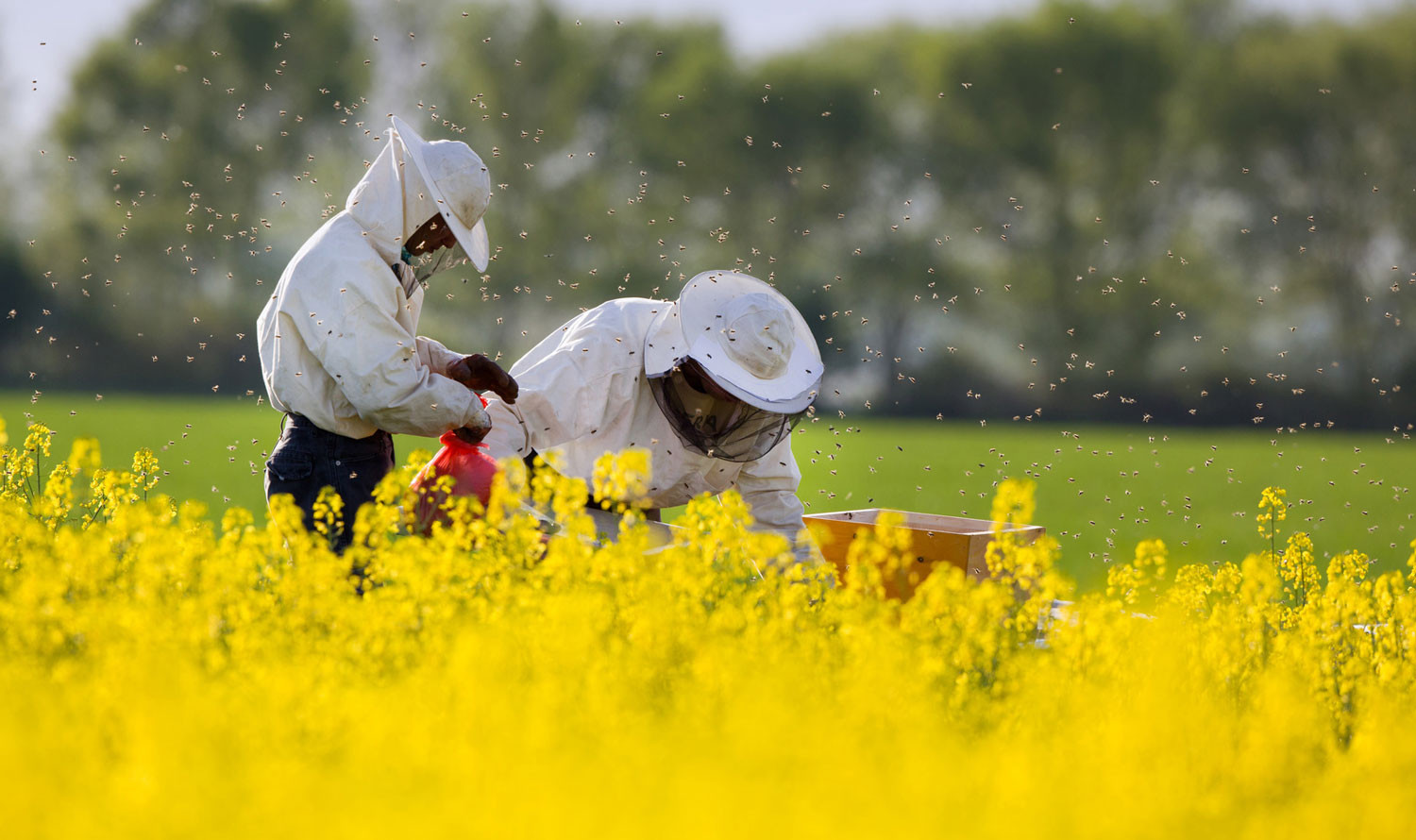


History and uses of honey, mead, and products of the beehive

Since antiquity, honey has been consumed for its sweetening properties and used for its therapeutic effects. Today, it has largely been supplanted in the diet by beet sugar. In medicine, however, its bactericidal and wound-healing effects on chronic wounds are being rediscovered. Beeswax is favoured by cosmetic manufacturers, while royal jelly and propolis are recognised in dietetics. The history of the use of honey and products of the beehive is fascinating.
History and uses of honey, mead and hive products
For thousands of years, honey was the main natural sweetener and an important medicinal substance. From Antiquity until the industrial production of cane and especially beet sugar in the nineteenth century, honey played a central role in nutrition, medicine and culture. It was regarded as a divine gift and widely used in religious rituals, mythology and healing practices.
In ancient civilizations such as Egypt, Greece and Rome, honey was consumed as food, offered to gods, used as a preservative and employed as medicine. Classical medical authors described its wound-healing, antibacterial, laxative and soothing properties. During the Middle Ages and the Renaissance, honey remained a cornerstone of pharmacy before being gradually replaced by sugar.
Mead (hydromel), produced by fermenting honey in water, is probably the oldest alcoholic beverage known. It held strong symbolic and religious significance among Greeks, Celts and northern European peoples. With the spread of viticulture and beer production, mead lost importance in much of Europe.
The article also reviews other hive products. Pollen and royal jelly, introduced into dietetics in the twentieth century, are valued for their high nutritional content, although their therapeutic effects remain debated. Propolis has long been recognized for its antibacterial and healing properties. Beeswax, historically used in medicine, cosmetics and religious practices (candles), is now mainly employed as a technical and cosmetic excipient.
In conclusion, honey and hive products have an exceptionally long cultural, nutritional and medical history. While their therapeutic role has diminished, they remain highly relevant in nutrition, culture and economy.
See also:
- Propolis
- Beeswax – A Highly Precious Material
- Beeswax Has Been Used for 10,000 Years
- Pollen – The Unknown Worth Knowing