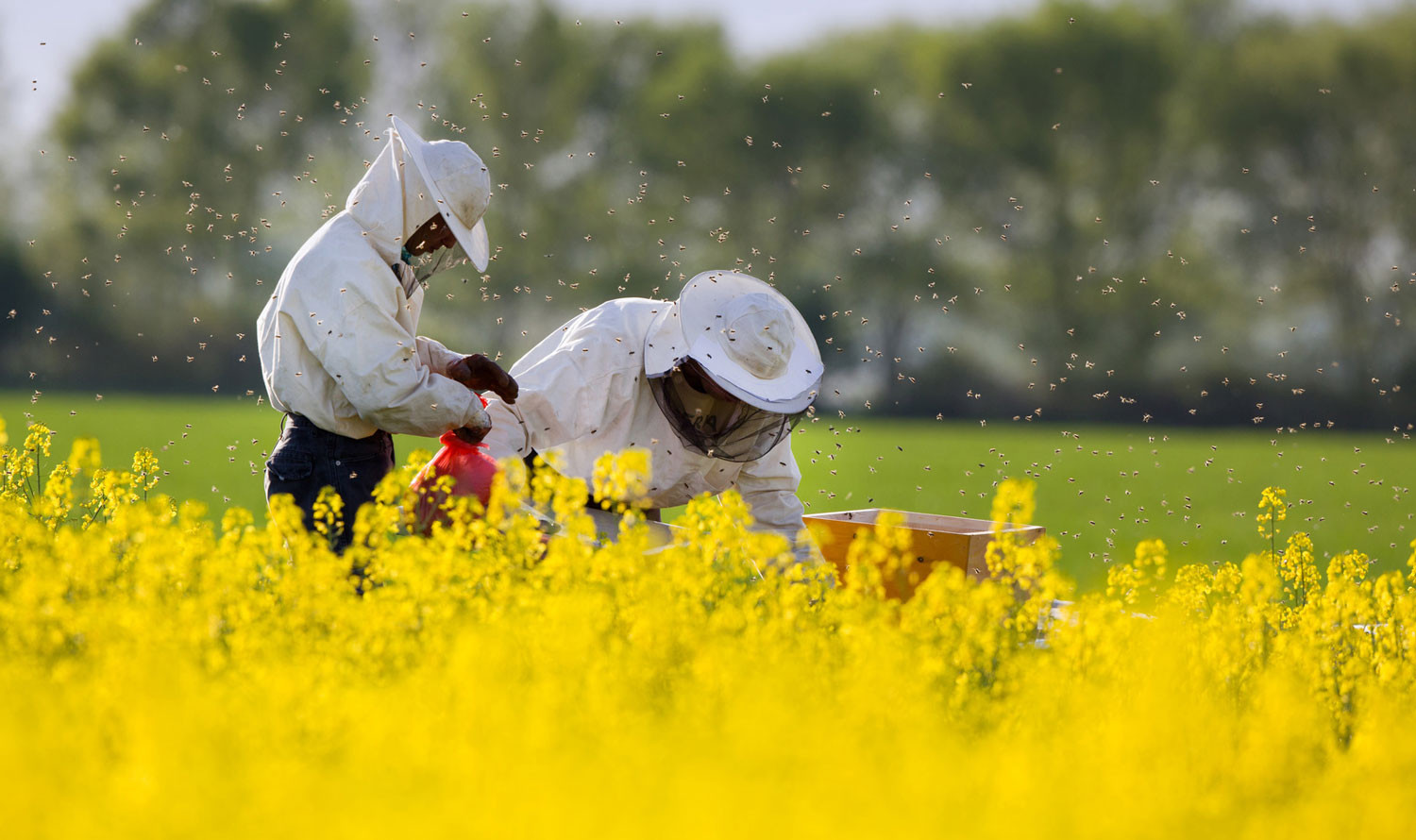


History and uses of honey, mead, and products of the beehive

Since antiquity, honey has been consumed for its sweetening properties and used for its therapeutic effects. Today, it has largely been supplanted in the diet by beet sugar. In medicine, however, its bactericidal and wound-healing effects on chronic wounds are being rediscovered. Beeswax is favoured by cosmetic manufacturers, while royal jelly and propolis are recognised in dietetics. The history of the use of honey and products of the beehive is fascinating.
History and uses of honey, mead and hive products
For thousands of years, honey ranked among the main sources of sweetness available in many societies and was used as a remedy. As cane sugar, and later beet sugar, became progressively more widespread in modern industrial economies, honey’s role as an everyday sweetener declined. Its nutritional, medical, cultural and symbolic importance nevertheless remained. Honey was often associated with the divine and incorporated into religious rituals, mythology and therapeutic practices.
In Antiquity, Egyptians, Greeks and Romans used honey as food, an offering, a preservative and a remedy. Ancient medical texts attributed various uses to honey, including in preparations for wounds, coughs or digestive complaints, and as a soothing ingredient. The category “antibacterial” is, however, a modern interpretation of some of these uses and should not be projected uncritically onto ancient medical classifications. During the Middle Ages and the Renaissance, honey remained an important ingredient in Galenic pharmacy (electuaries, oxymels and mellites), before sugar gradually assumed a greater role.
Mead is made by fermenting a honey-containing liquid and is among the oldest known alcoholic beverages. The oldest archaeological evidence does not always allow a mead consisting predominantly of honey to be distinguished from a fermented beverage combining honey with grains and fruit. Mead held strong symbolic and religious significance in certain European societies, notably among the Greeks, Celts and several northern European peoples. With the spread of wine and beer, its consumption declined across much of Europe, without disappearing completely.
The article also considers other hive products. Pollen and royal jelly became popular in modern dietetics and apitherapy during the twentieth century. Their nutrient composition, however, varies considerably according to the product and its origin. Clinical evidence remains limited and does not support generalising their therapeutic effects. Propolis has long been used and has been studied for its antibacterial and other biological activities, whose intensity depends in particular on its origin. Beeswax was historically used in medicine and in craft and religious applications, especially for candles. It continues to be used as a material, coating agent or excipient in cosmetics and pharmaceutical products.
In conclusion, honey and hive products have a long and well-documented history in food, medicine, culture and the economy. Honey and some hive products continue to have nutritional significance, while these products as a whole remain culturally and economically relevant. Any therapeutic applications must nevertheless be distinguished from food use and assessed separately for each product.
See also:
- Propolis
- Beeswax – A Highly Precious Material
- Beeswax Has Been Used for 10,000 Years
- Pollen – The Unknown Worth Knowing
- All about honey